Higher Drug Prices, No Tariffs: U.K. Trade Pact Shows How Trump Is Coaxing Countries to Pay More for Meds

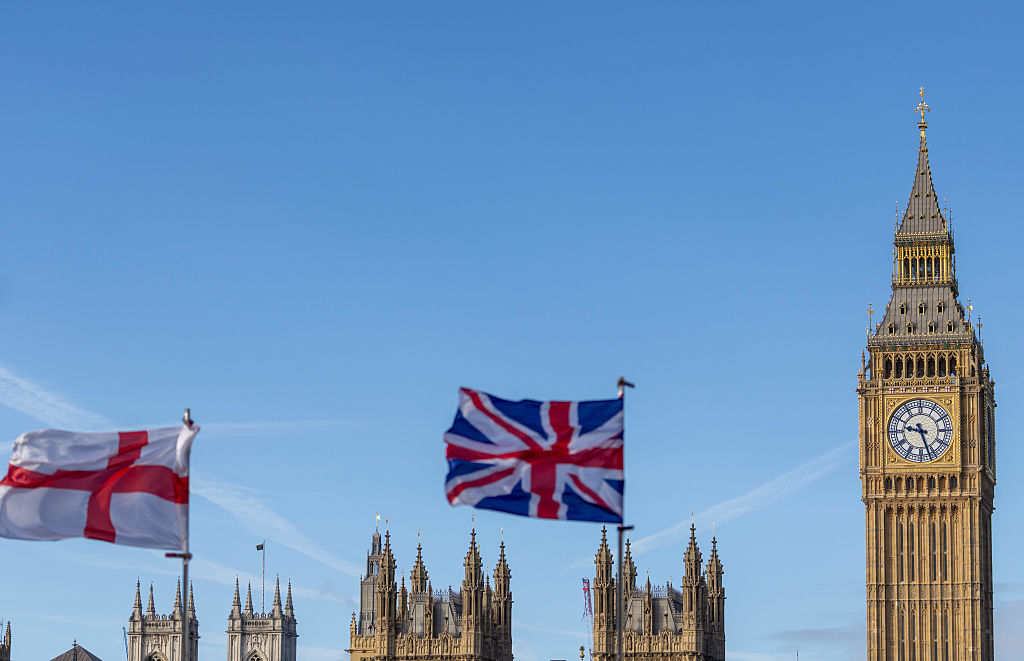
The Trump administration’s position on drug prices is that Americans pay too much while other countries don’t pay nearly enough. A new trade deal with the United Kingdom is addressing that imbalance, raising prices the national health system will pay for new medicines in exchange for tariff exemptions on U.K. pharmaceutical exports valued at about $3.5 billion a year.
The deal announced Monday is an update to a broad trade deal the U.S. struck with the U.K. in May. While the countries describe this new deal as an “agreement in principle,” it sets a precedent that could shape pharmaceutical pacts the Trump administration is still pursuing with other countries.
Before the U.K.’s National Health Service (NHS) can use a new medicine, it must first be evaluated by the government’s National Institute for Health and Care Excellence (NICE), which assesses a drug’s cost effectiveness to the health service. NICE’s current cost effectiveness benchmark is a range of £20,000 to £30,000 (about $26,412 to $39,618) per quality adjusted life year. That means a cost-effective drug should lead to the equivalent of one additional year of health and improved quality of life for no greater than £20,000 to £30,000 more than the cost of the current standard of care. Consequently, a drug shown to be safe and therapeutically effective in clinical trials may end up being turned down by NICE because it is not cost effective, though the agency said it applies a higher threshold for medicines developed for ultra-rare conditions.
The new agreement boosts the cost-effectiveness standard by 25%, raising it to £25,000 to £35,000. It’s the first major increase in this threshold in more than 20 years, the U.K. government said in its own announcement of the deal. NICE said it approves about 91% of the drugs it evaluates, amounting to about 70 new drugs annually. The agency calculates that the threshold could lead to three to five additional approvals each year. NICE expects this new standard will take effect this coming April.
The U.K. government frames the higher threshold as a way to improve access to innovative new treatments that might otherwise have fallen short in NICE’s evaluation. These products include drugs for cancers and rare diseases. The government also says this deal will encourage global pharmaceutical companies to prioritize the U.K. for early launches of new medicines, which could make British patients among the first in the world to access new treatments.
The Trump administration has ongoing investigations under Section 232 of the Trade Expansion Act, which could support the imposition of tariffs on the basis of national security. These tariffs could be imposed on particular sectors, such as pharmaceuticals.
The U.K. government estimates that the country’s annual pharmaceutical exports are valued at more than £5 billion (about $3.5 billion). The new agreement exempts U.K.-produced drugs from potential Section 232 tariffs for the remainder of President Trump’s term in office. This exemption includes pharmaceutical ingredients and medical technology. The agreement also spares U.K.-produced drugs from Section 301 tariffs, which could be imposed if an investigation finds unfair trade practices. This exemption also extends for the remainder of Trump’s term.
In the past year, many pharmaceutical companies have increased their U.S. drug manufacturing capabilities as a way to avoid potential tariffs on drugs and pharmaceutical ingredients made overseas. In some cases, the U.S. construction plans appear to be coming at the expense of capital investments in countries such as the U.K. For example, in recent months, Merck has canceled plans for a London research center while AstraZeneca paused plans for a research site in Cambridge, England, even as both companies ramp up investment in manufacturing and research infrastructure throughout the U.S.
The new agreement could restore U.K. competitiveness in the global life sciences supply chain, Jon Roffman, principal, pharmaceuticals & biotech at consultancy ZS, said in an email. Zero tariffs encourage pharma firms to maintain or even increase their R&D spending in the U.K. While the U.K. frames the deal as increasing access to medicines for its citizens, it could also accelerate delivery of novel therapies to patients in the U.S.
“Faster, lower-cost cross-border movement of medicines reduces logistical friction and opens the door for smoother launches of innovative treatments, especially novel or high-value therapies that rely on stable supply networks,” Roffman said.
In a prepared statement, U.S. Trade Representative Jamieson Greer said the U.S. agreement with the U.K. will help drive investment and innovation in both countries. He added that the Trump Administration is reviewing the pharmaceutical pricing practices of many other U.S. trading partners and “hopes that they will follow suit with constructive negotiations.”
Photo: Jason Alden/Bloomberg, via Getty Images