Trek Grade
Easy – Moderate
Highest Altitude
12,090 ft
Base Camp
Raithal
Best Time
Round the year except Monsoon
Trek Distance
20 Km
Not sure which trek is right for you? Trekup India’s Mountain Experts have you covered.
Not sure which trek is right for you? Trekup India’s Mountain Experts have you covered. From figuring out if a trek matches your fitness level to knowing who you’ll be trekking with, we’re here to answer all your questions. Reach out to our Mountain Experts and plan your trek with confidence.
Dayara Bugyal Trek
Dayara Bugyal is one of those treks that have all the best: grand Himalayan views, awe-inspiring meadows beautiful forests as well as an adventure which is both thrilling and easy enough for those who are new to the trek.
When we first visited Dayara Bugyal, trekking to meadows wasn’t an appealing concept. The high passes and the glacial lakes were believed to be real adventure locations. One glance at Dayara’s stunning beauty and we could tell that this trek will change our perception of the place.
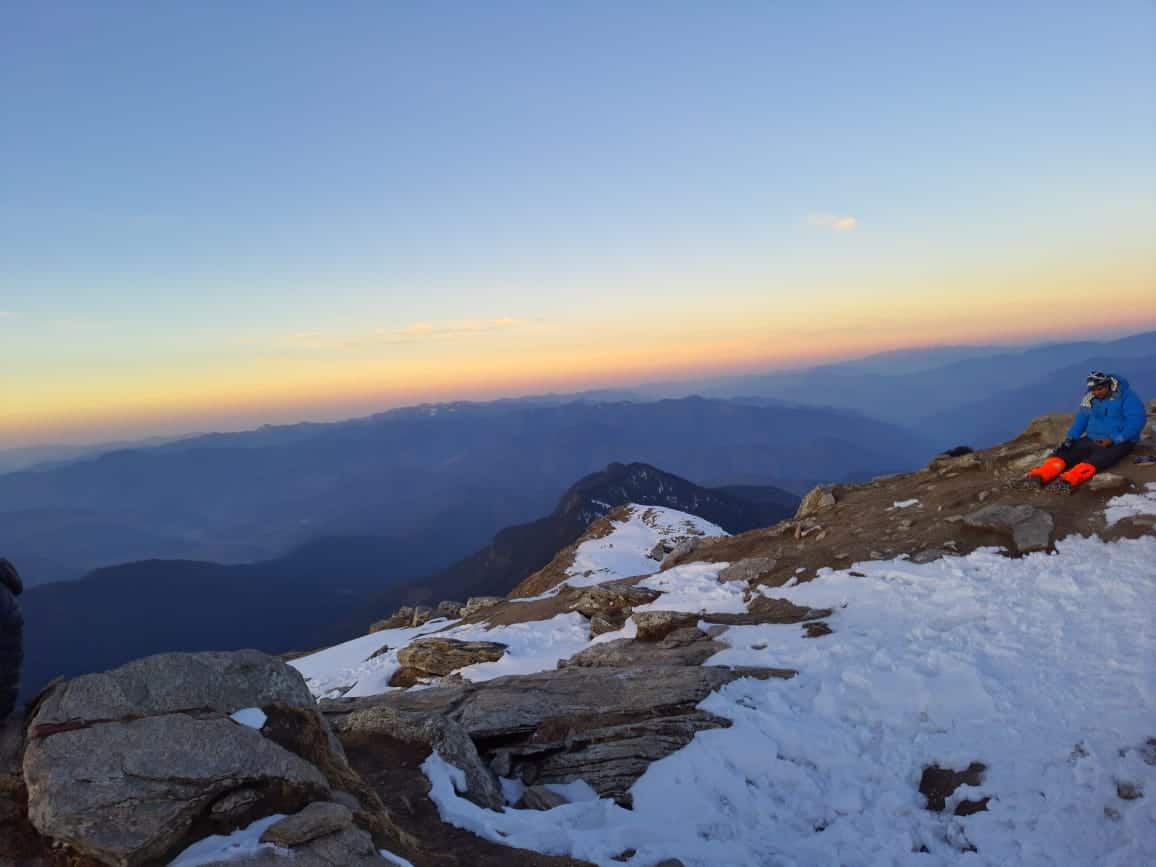
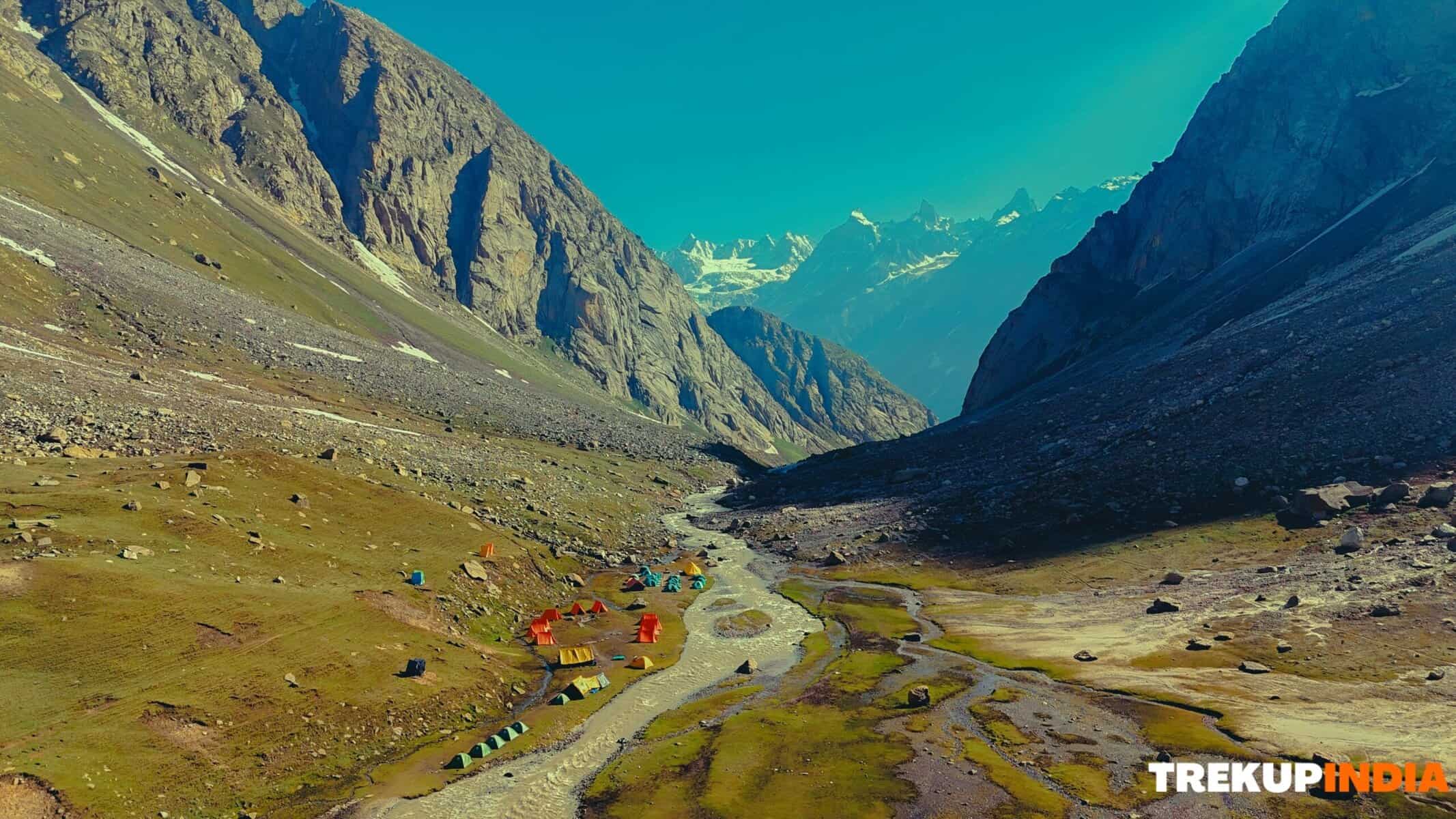
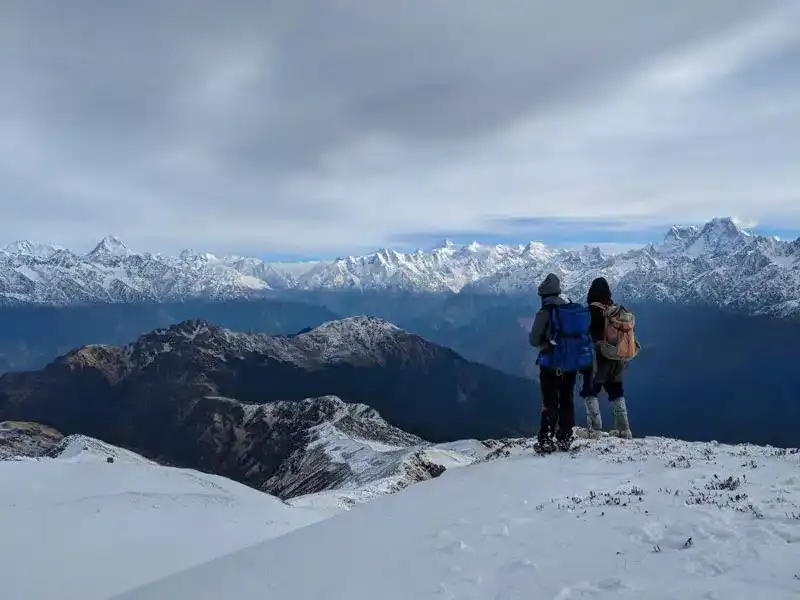
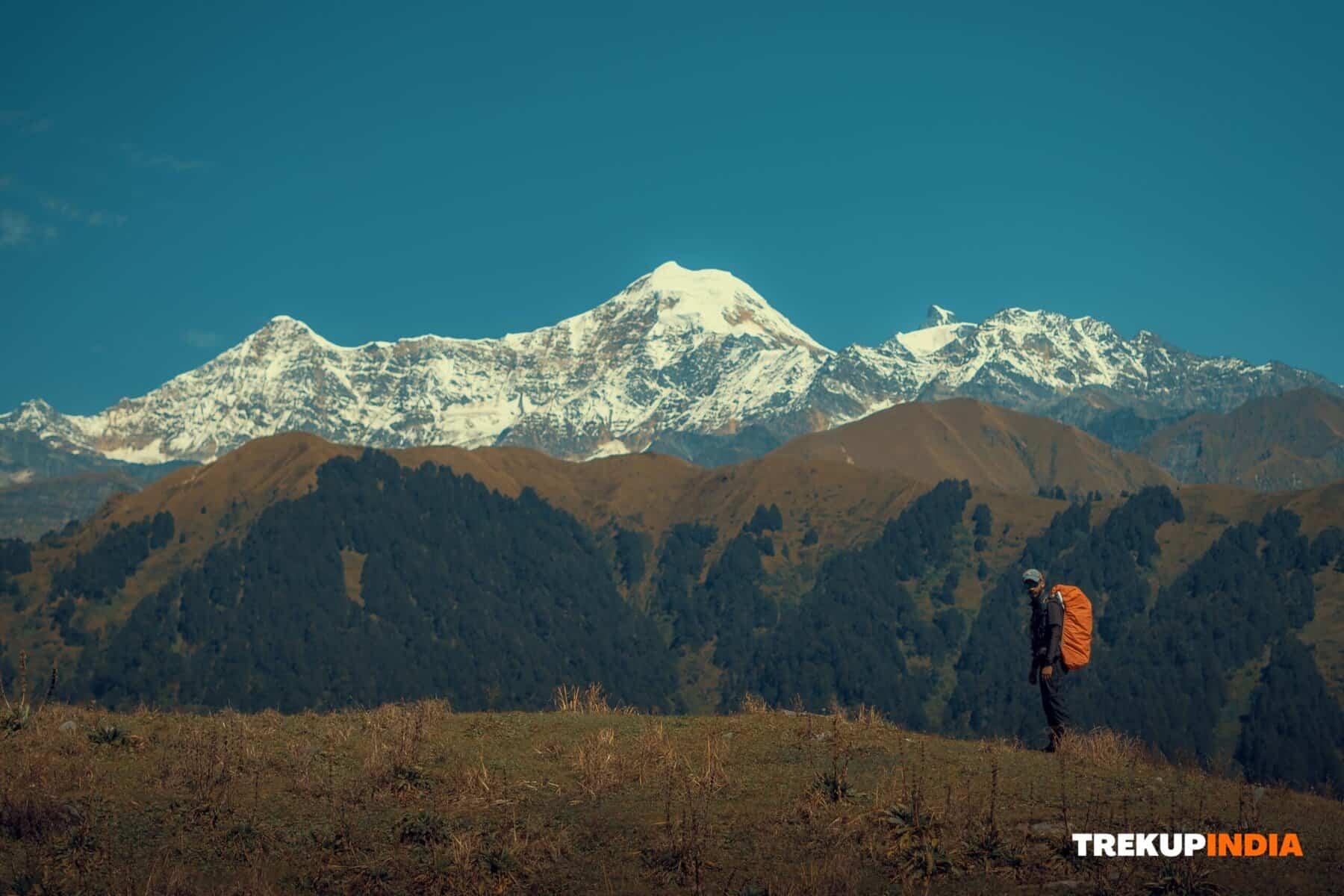
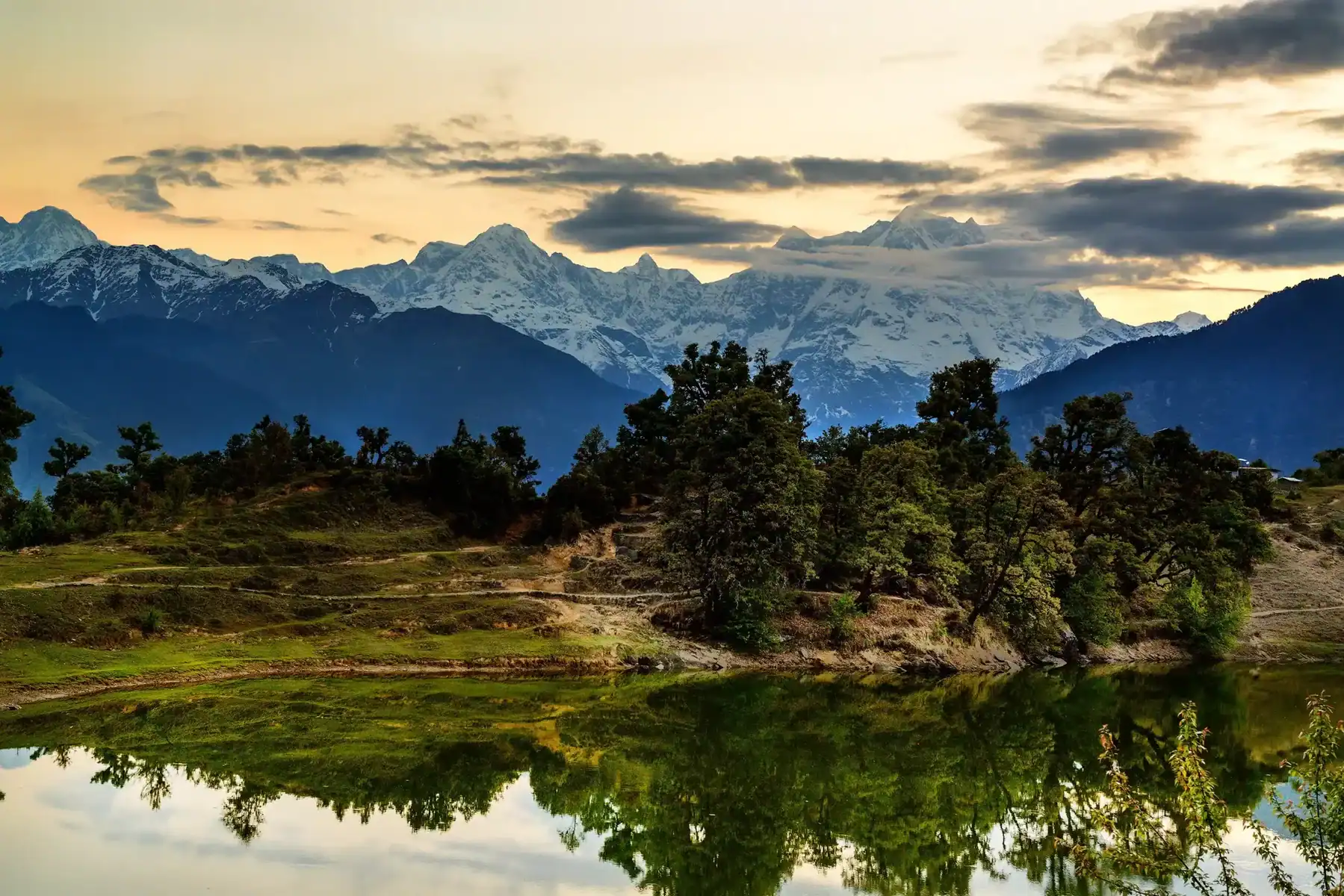
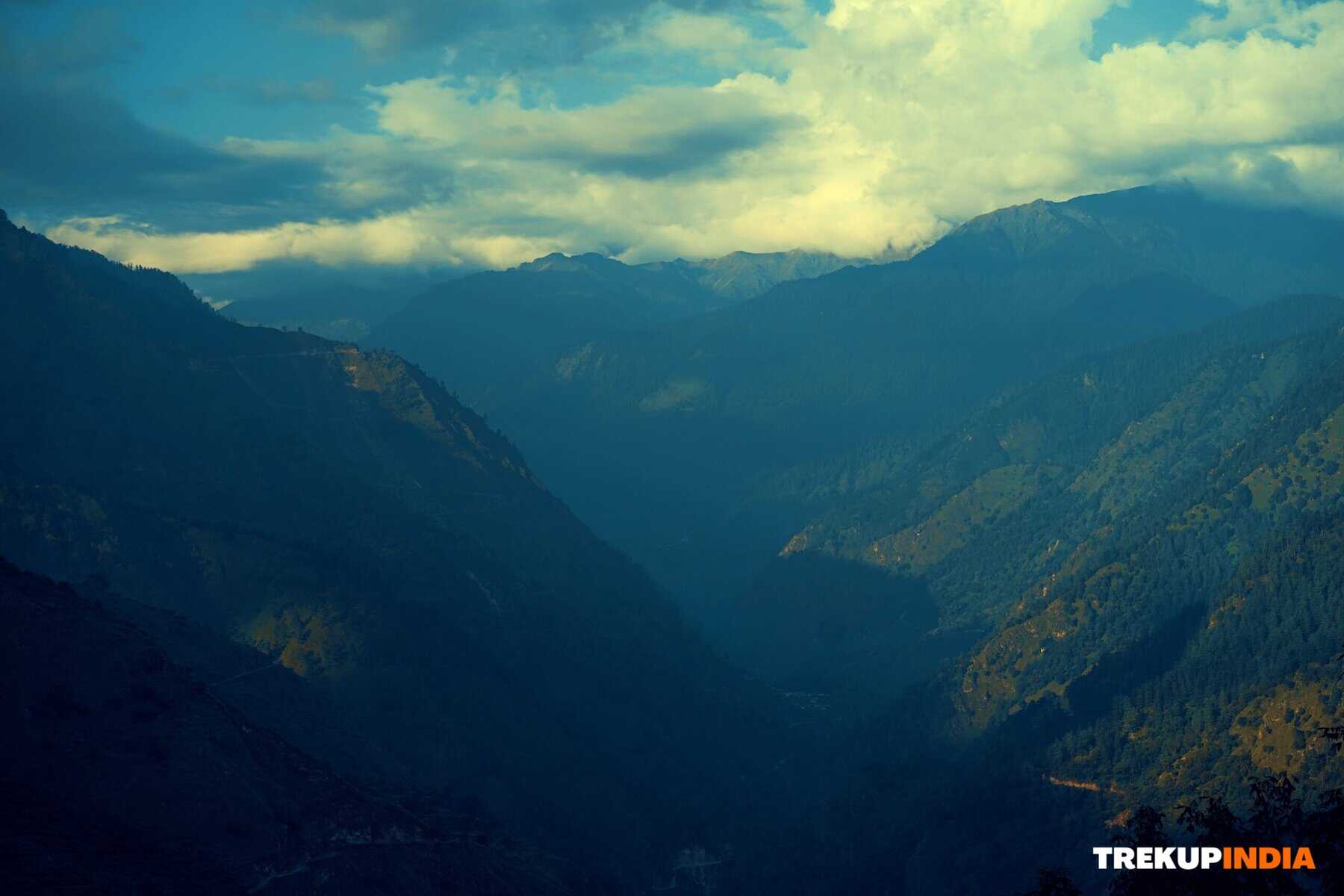
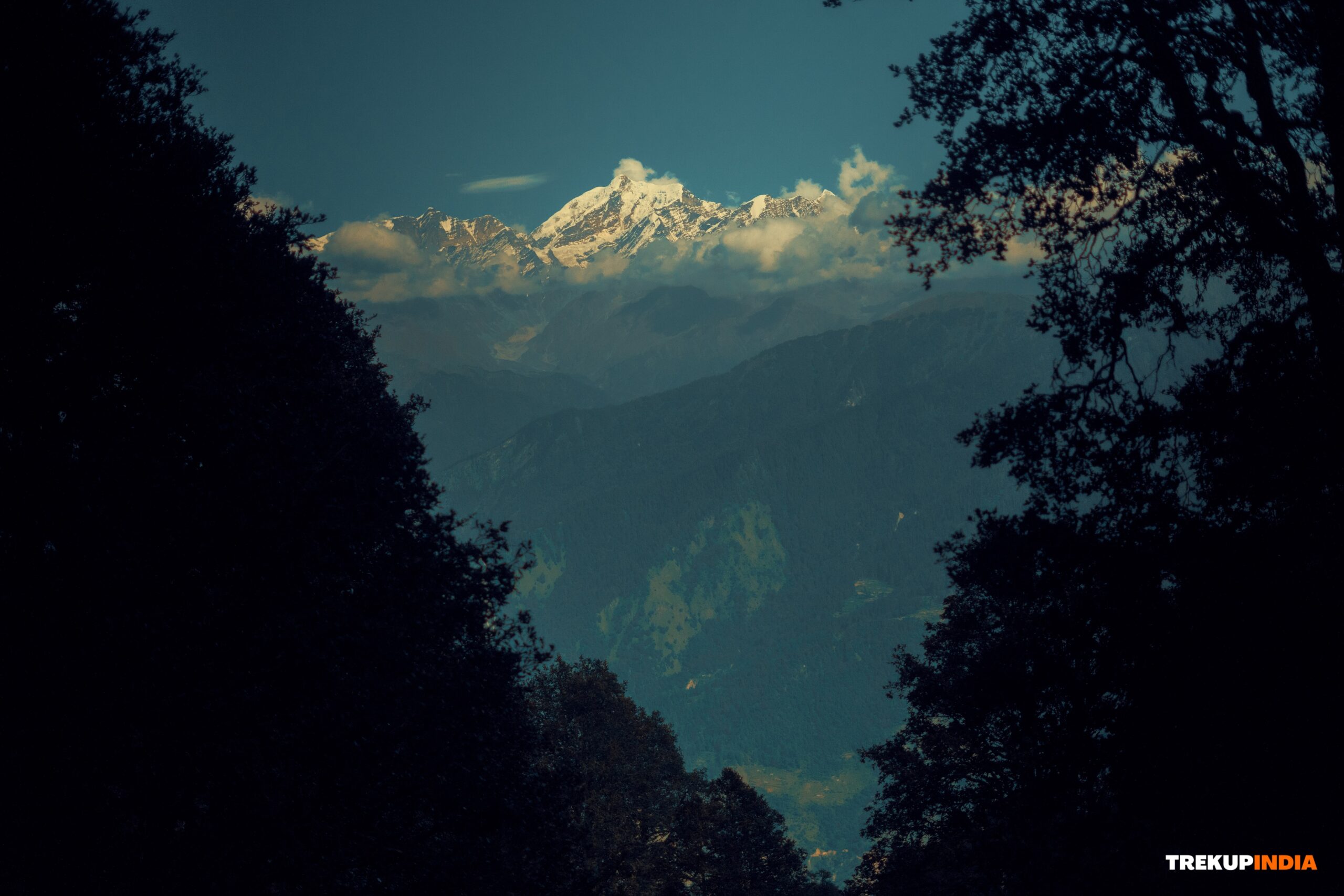
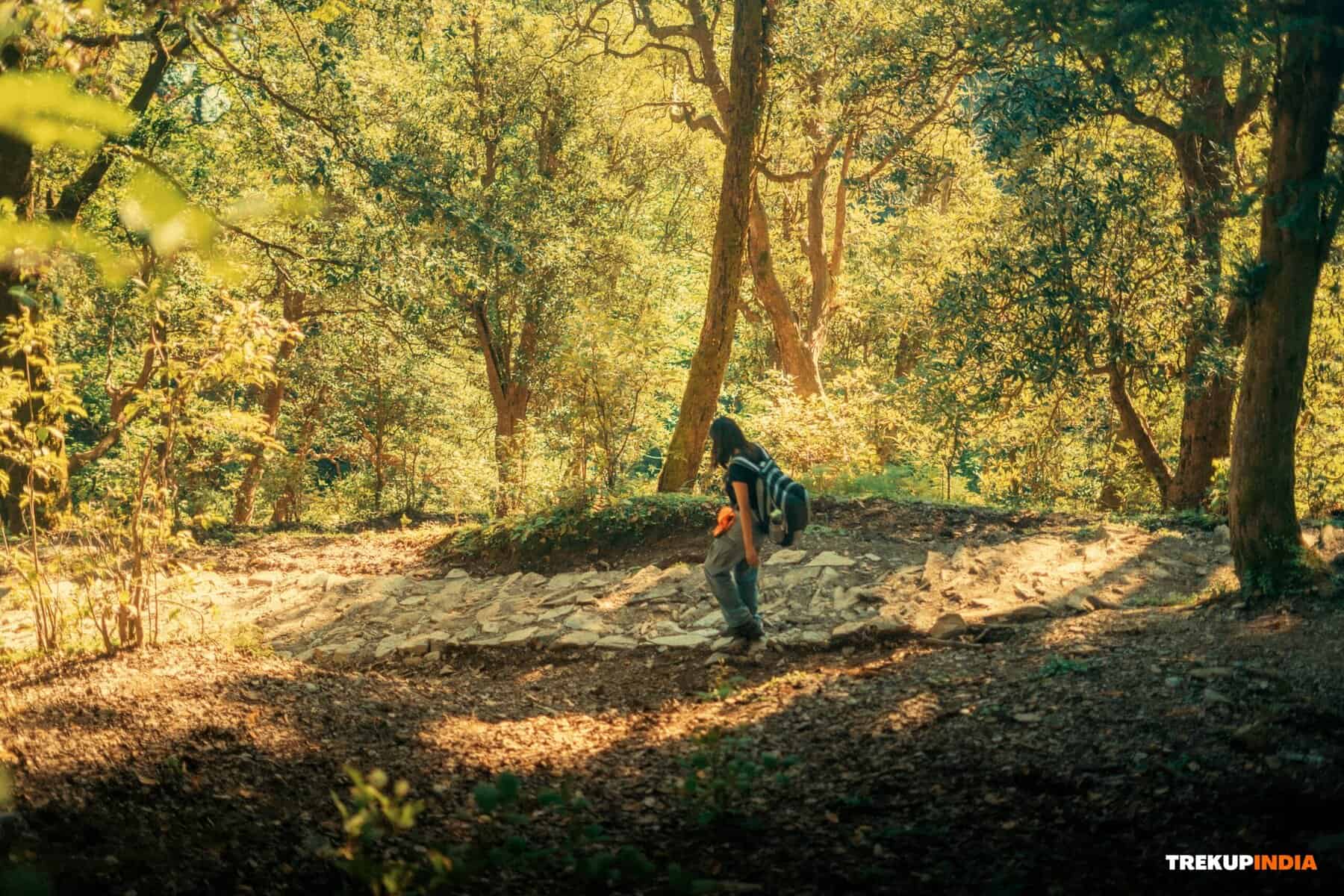
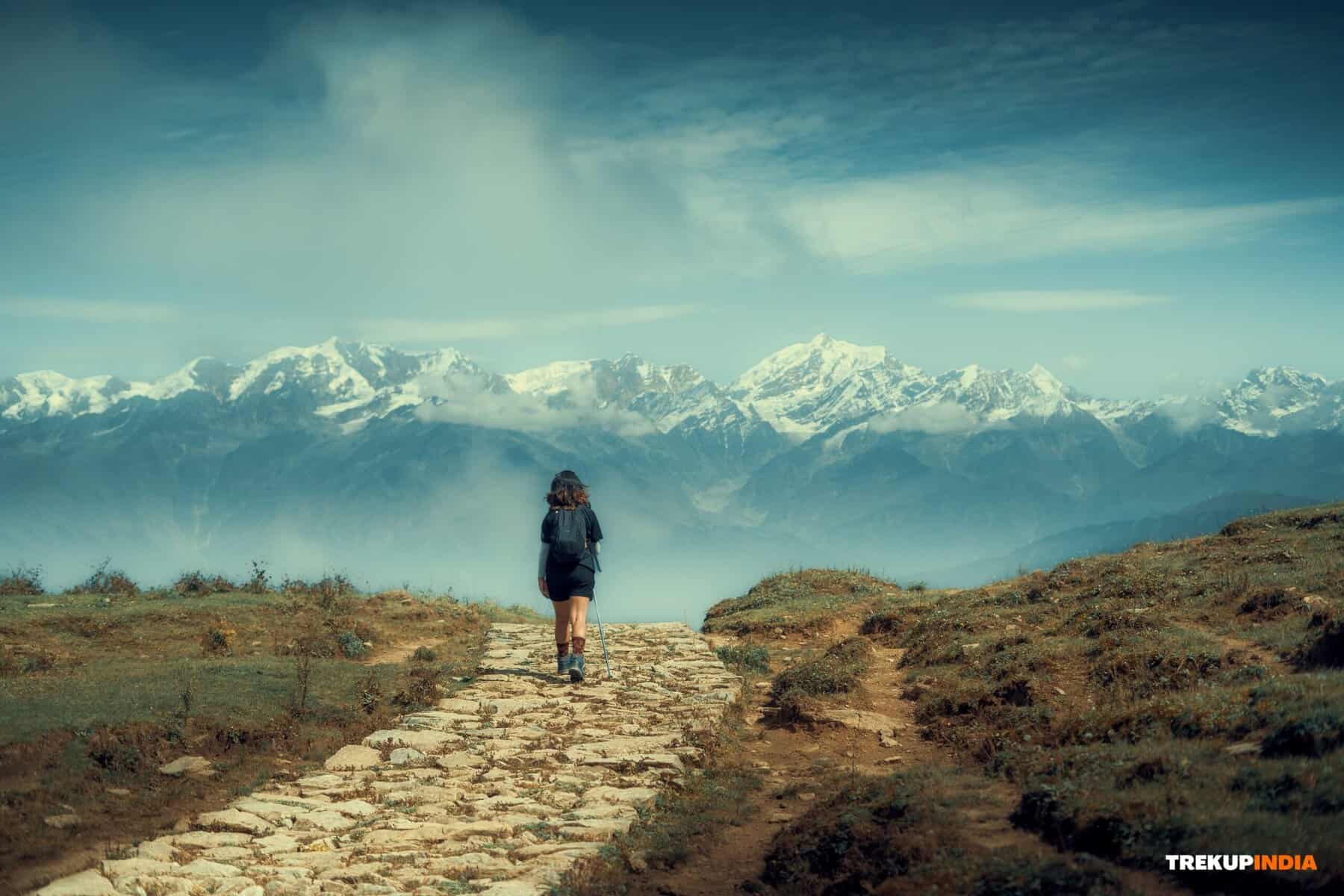
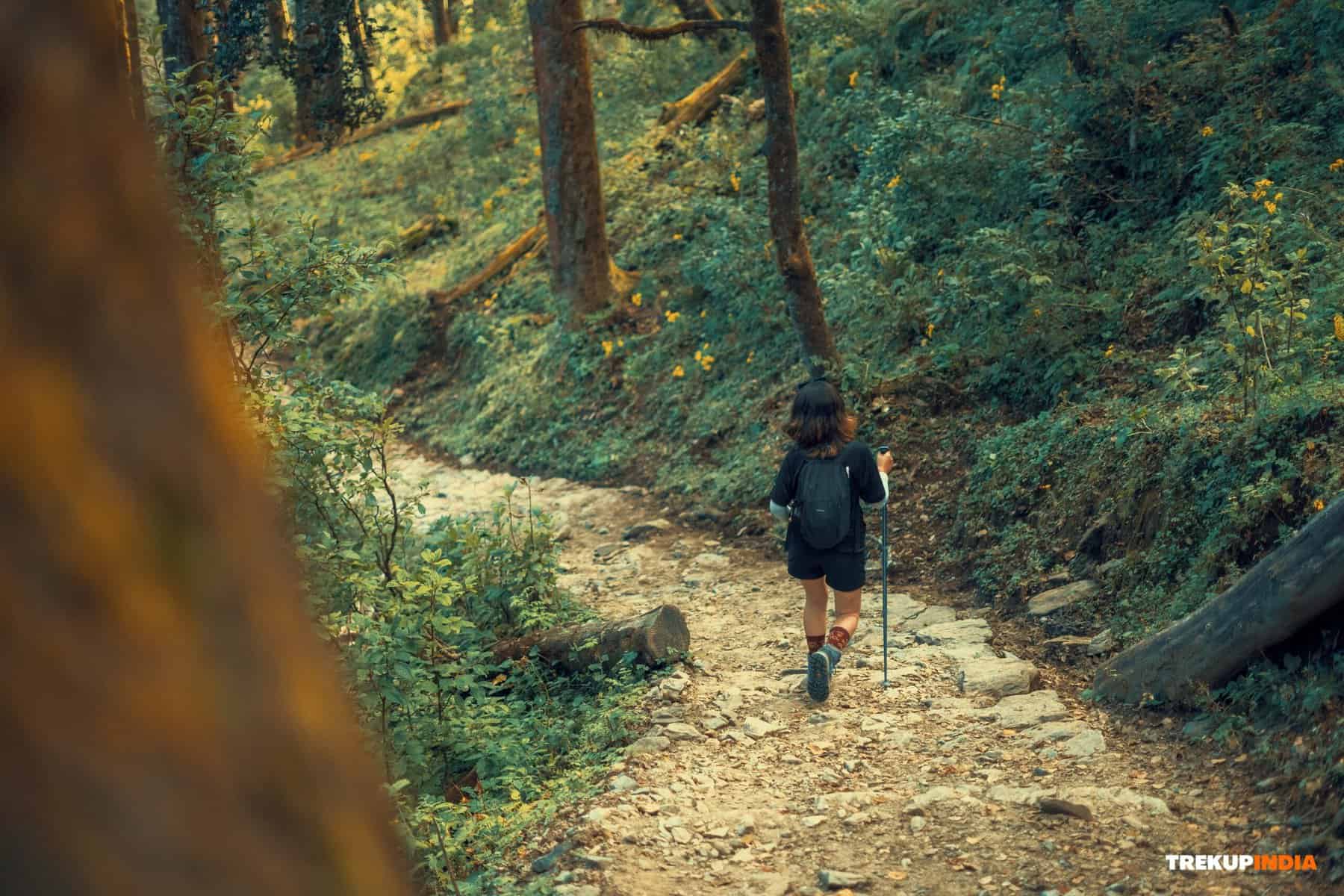
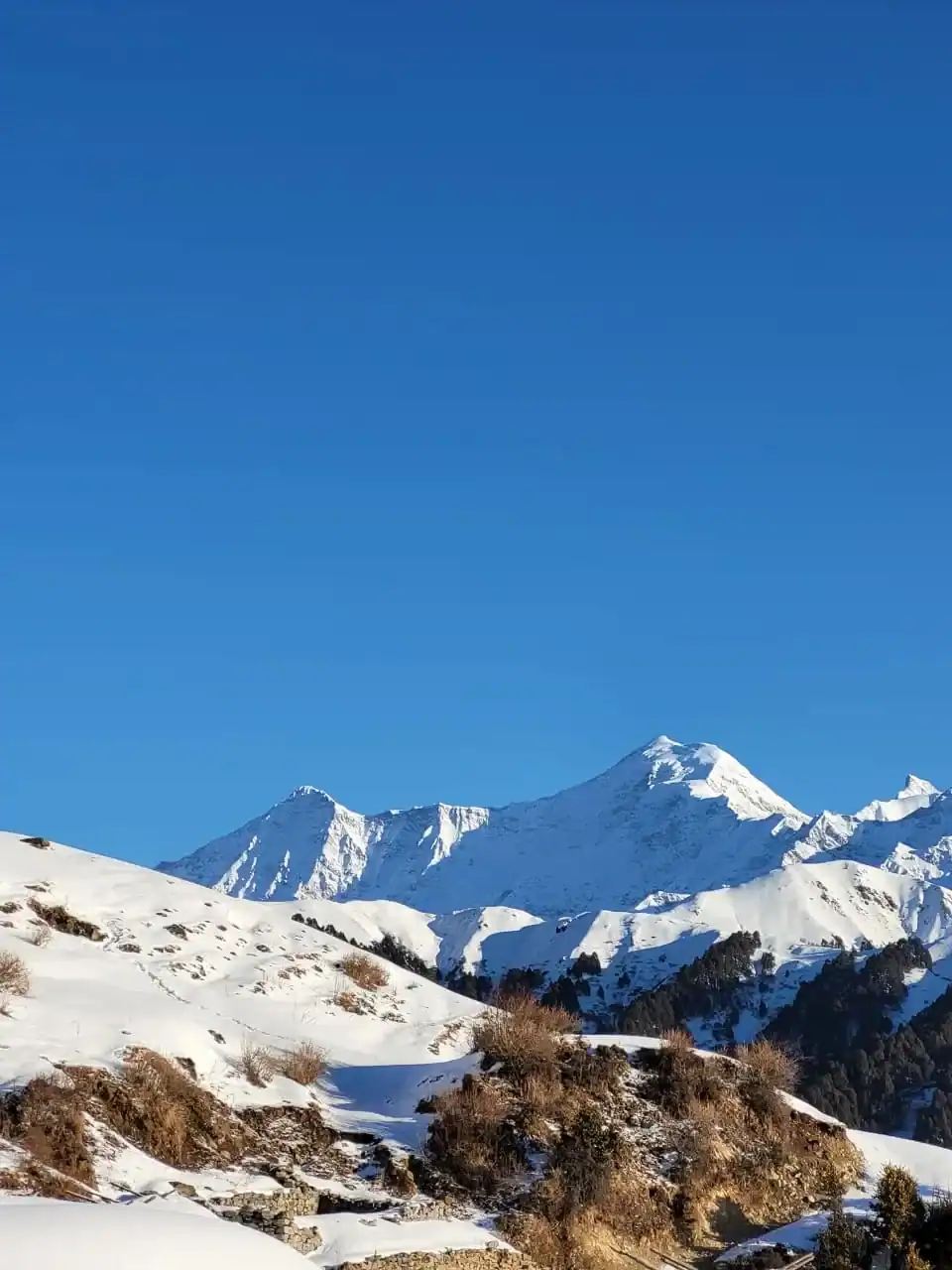
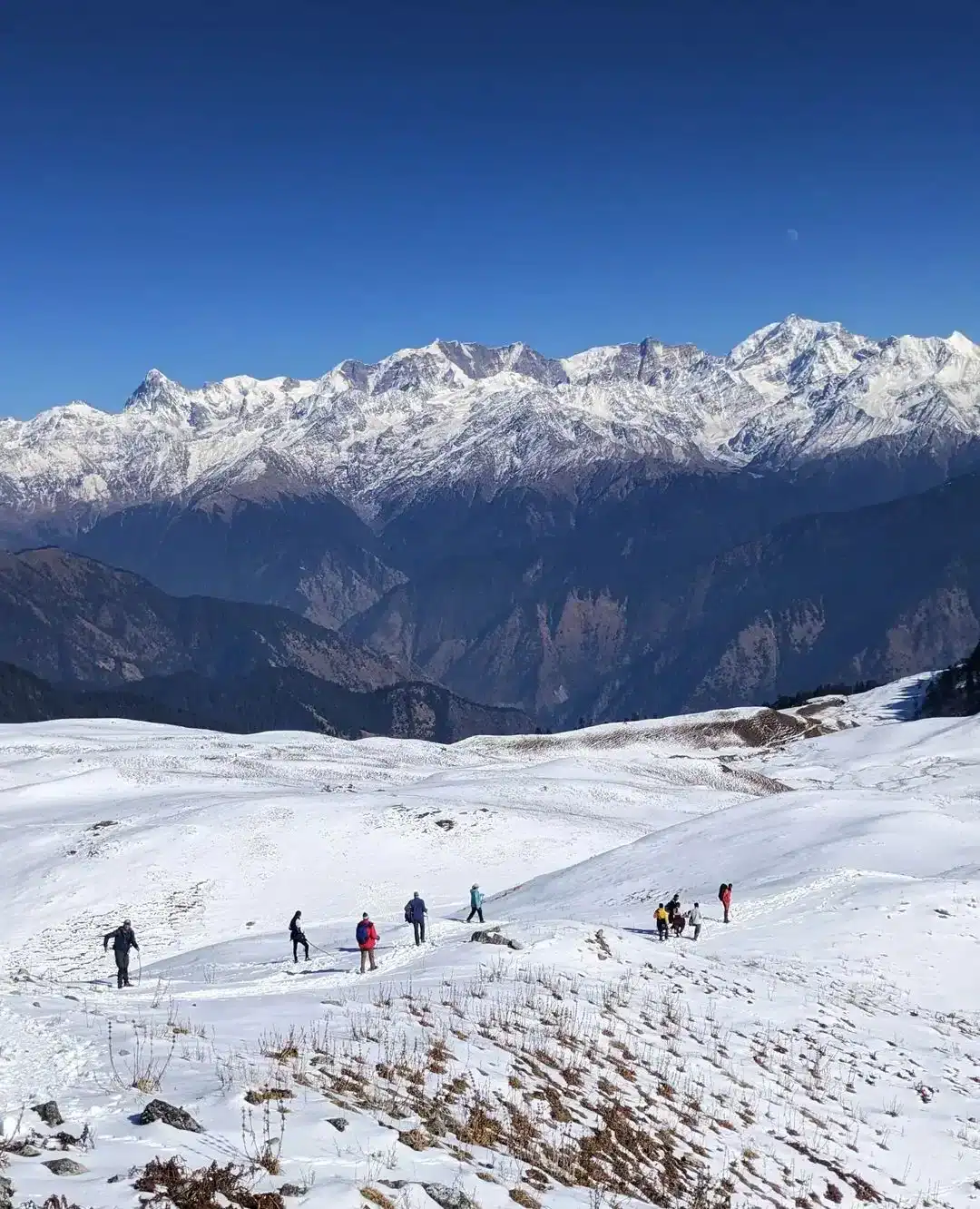
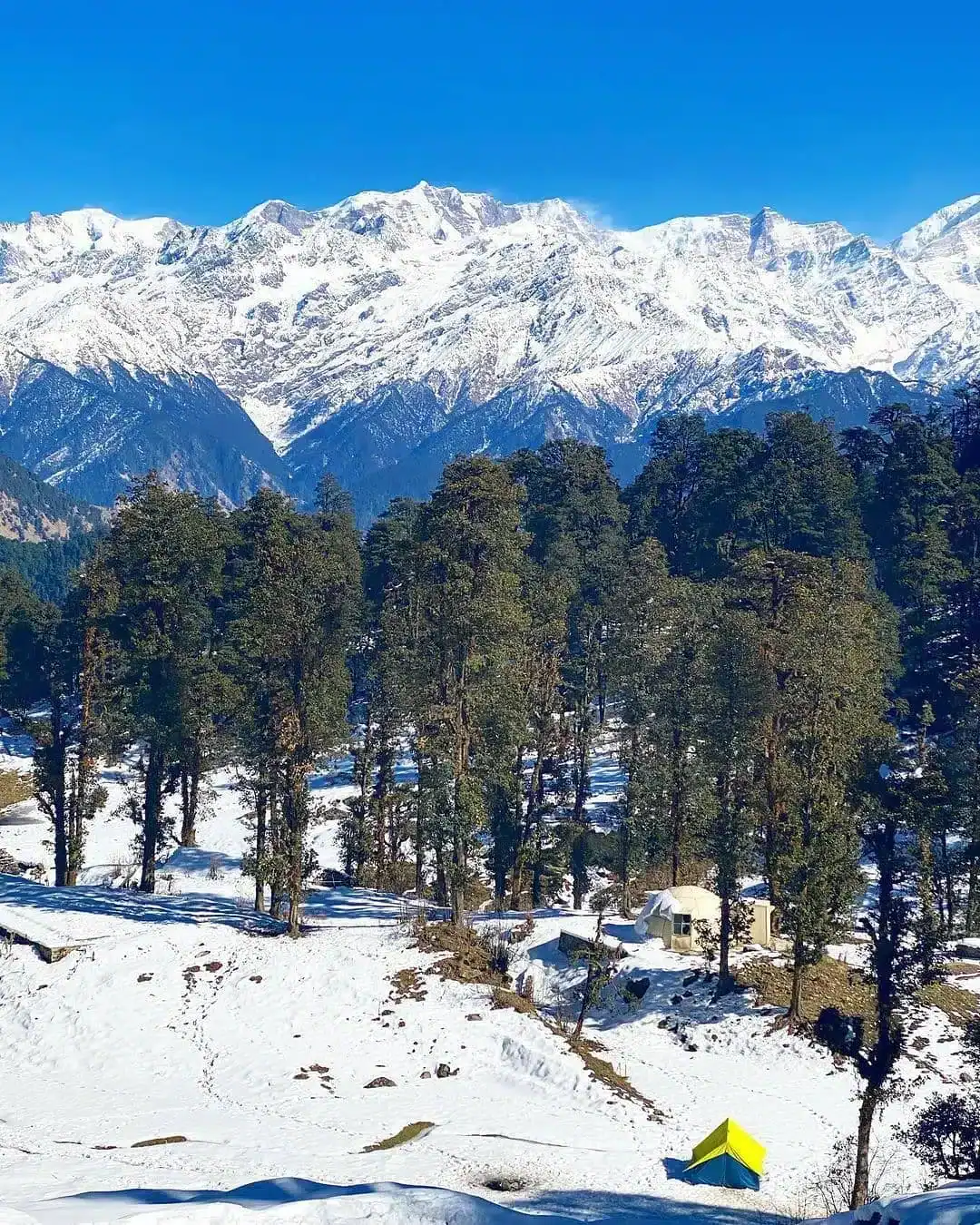
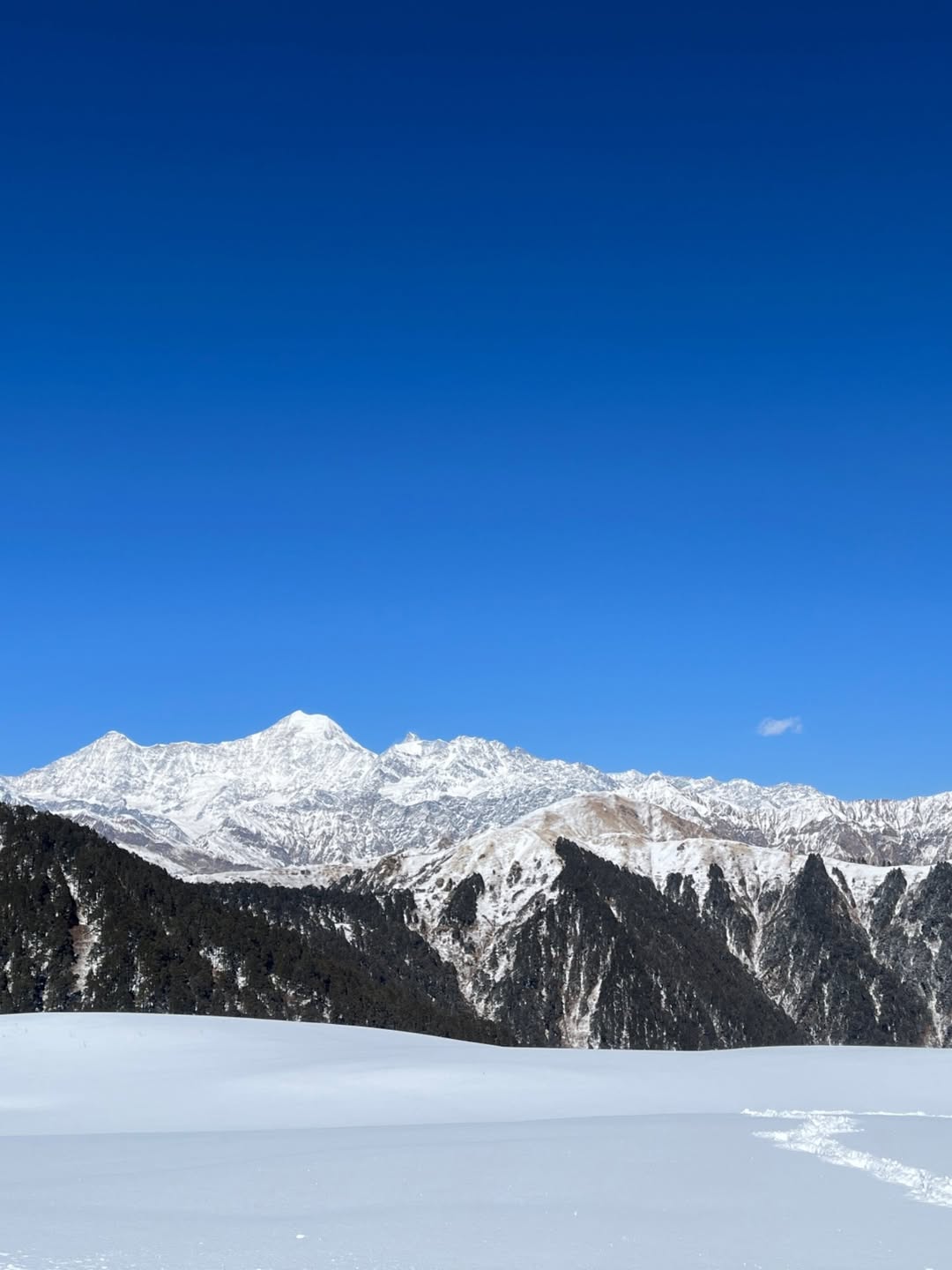
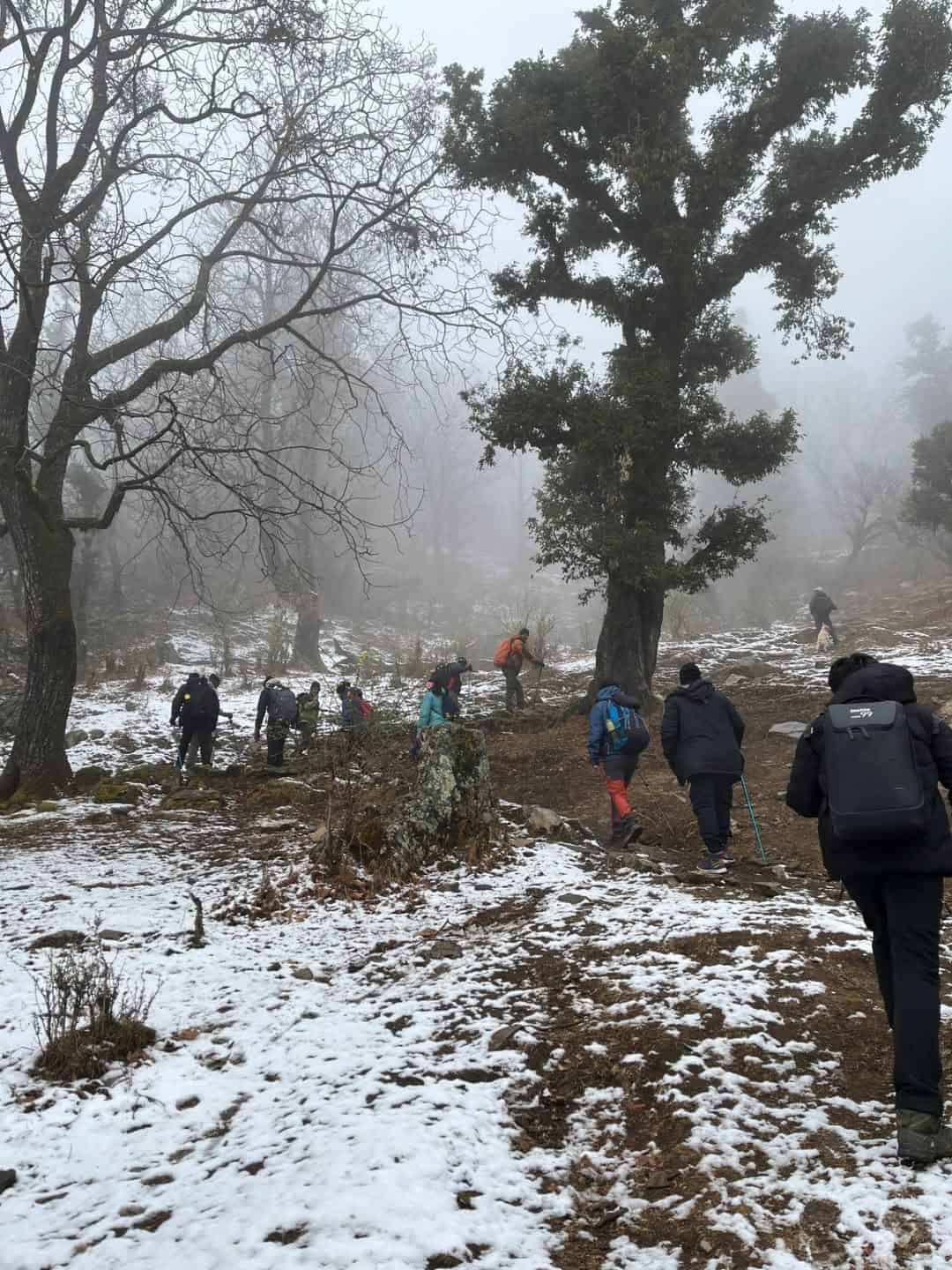
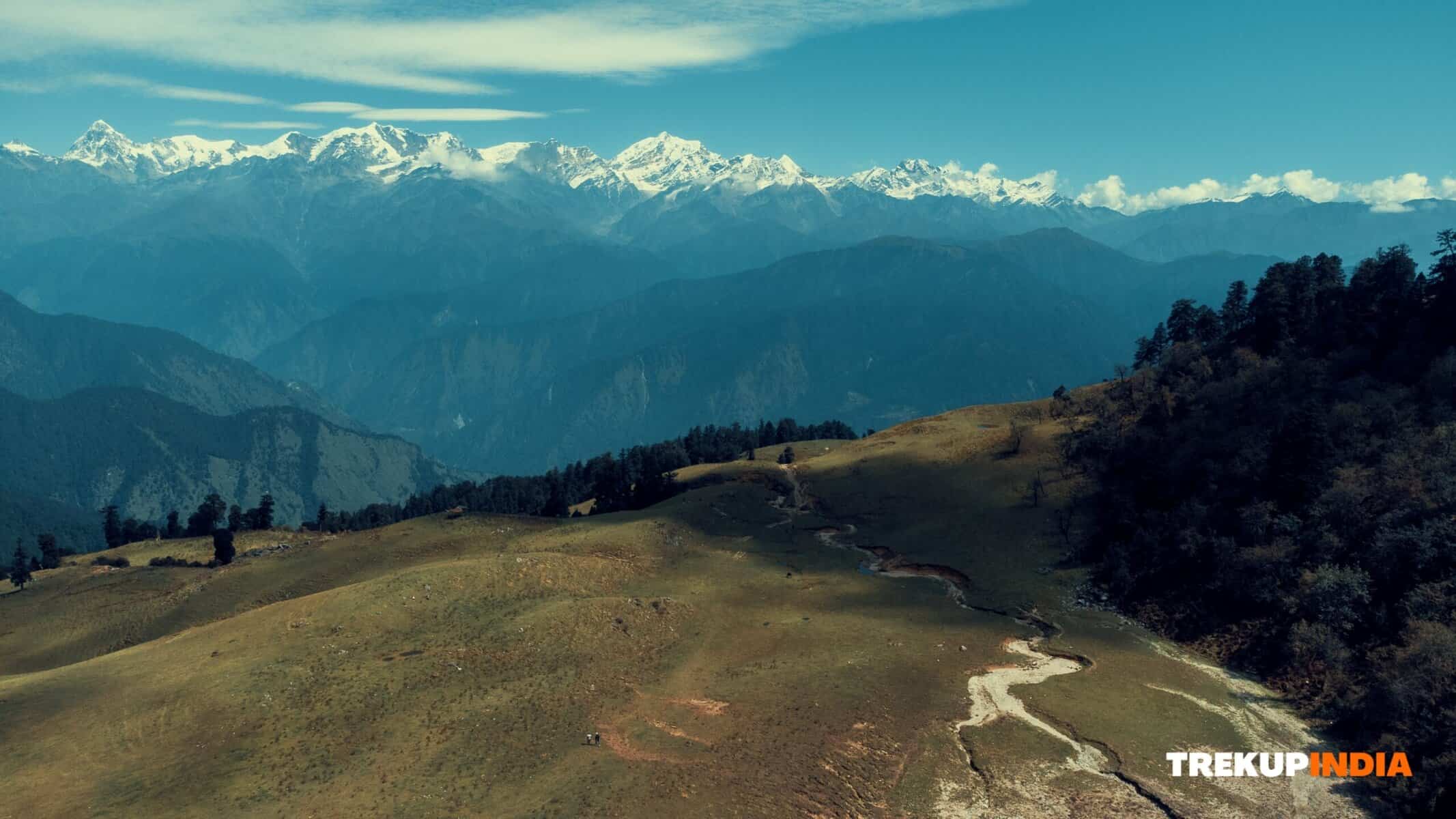
The trail takes you through stunning trees, including maple, oak and rhododendron woodlands. After a while, the scenery expands into expansive high-altitude meadows which feel like they are a dream. Green hills that are gentle extend forever under the vast Garhwal Himalayan summits which include Bandarpoonch, Kala Nag, Srikanth, Jaonli, and the two summits from Draupadi ka Danda.
What is what makes Dayara Bugyal so remarkable is that it’s truly an all-season trek.
| Season | Highlights |
|---|---|
| Spring | The Rhododendrons are blooming with pink and red |
| Summer | Meadows bursting with alpine wildflowers |
| Autumn | Clear, crisp skies, golden meadows |
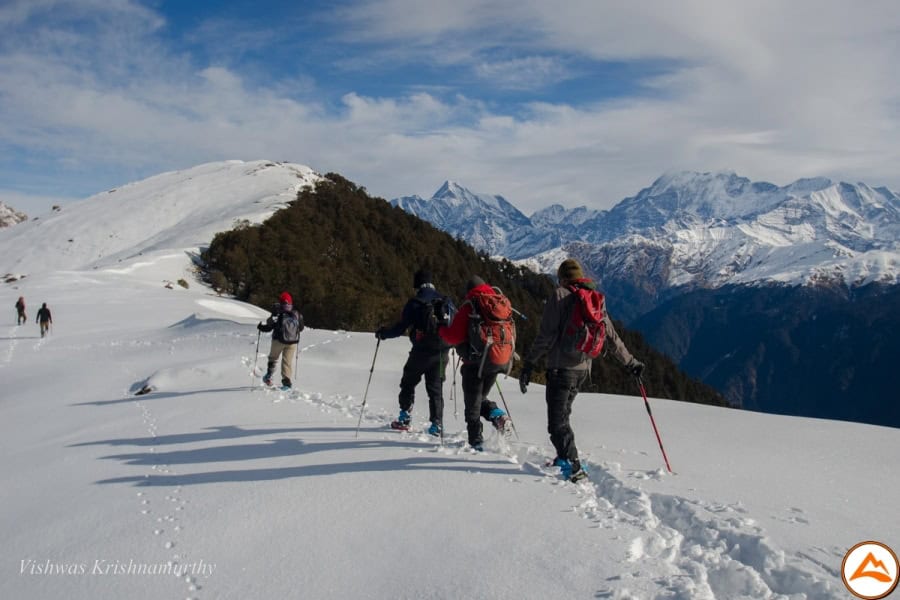
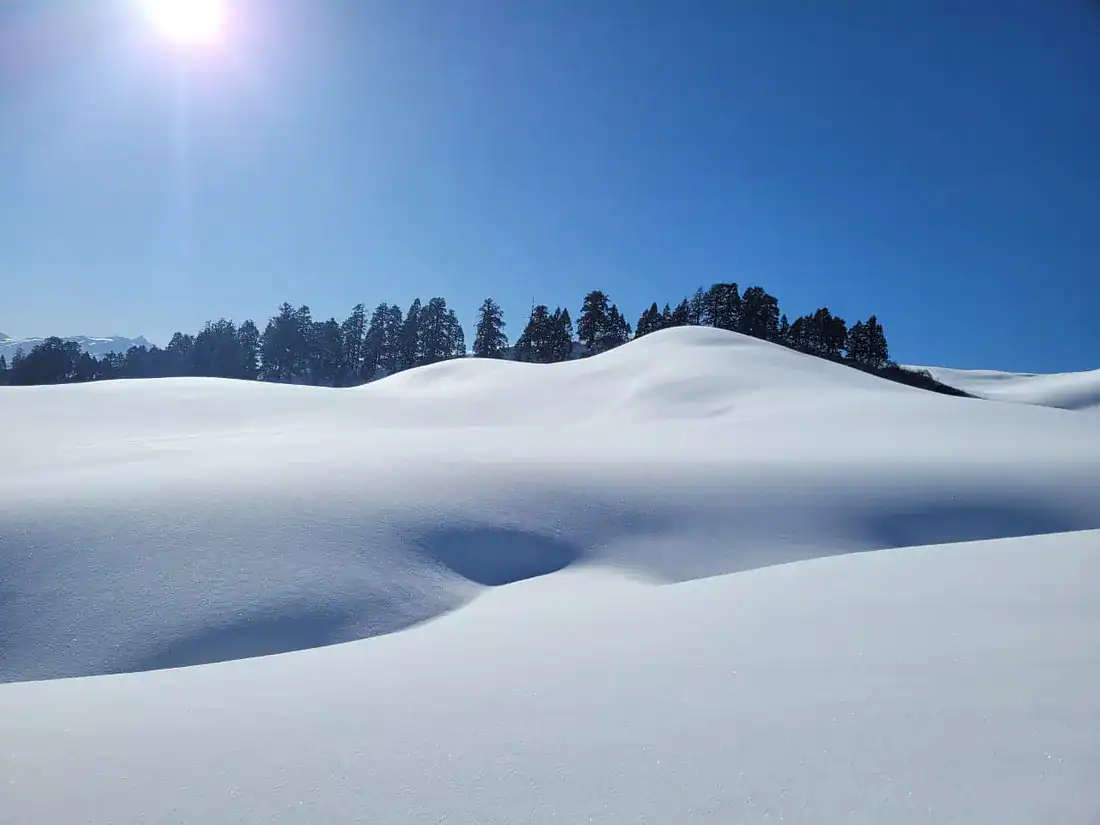
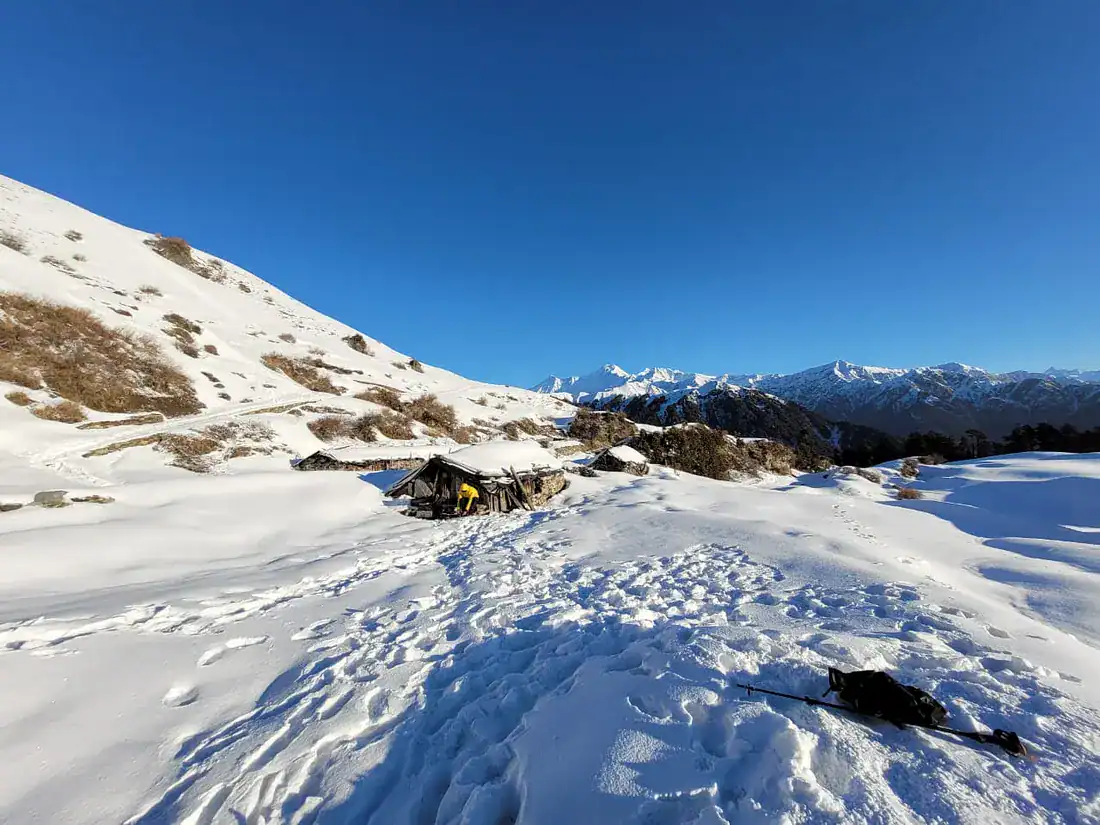
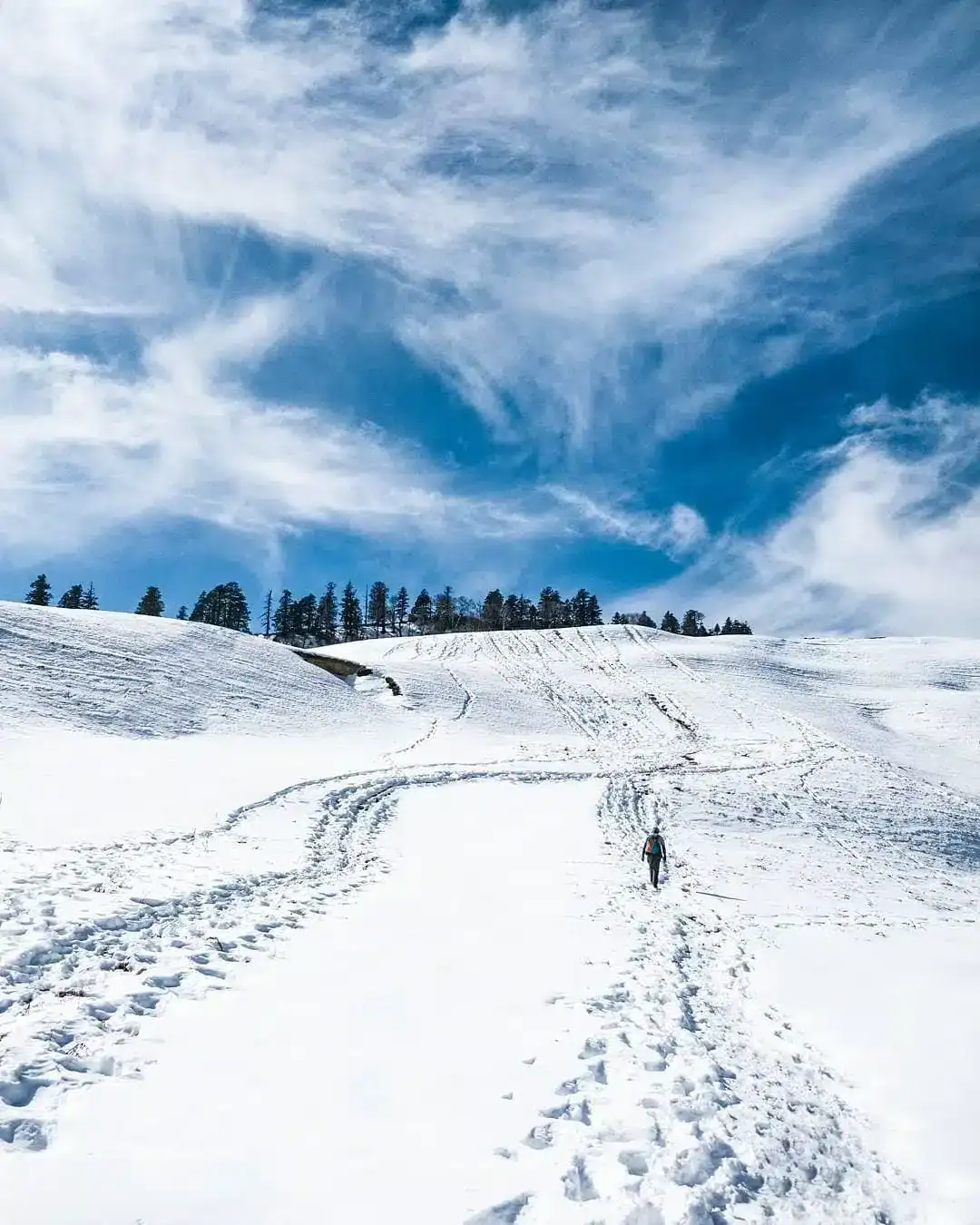
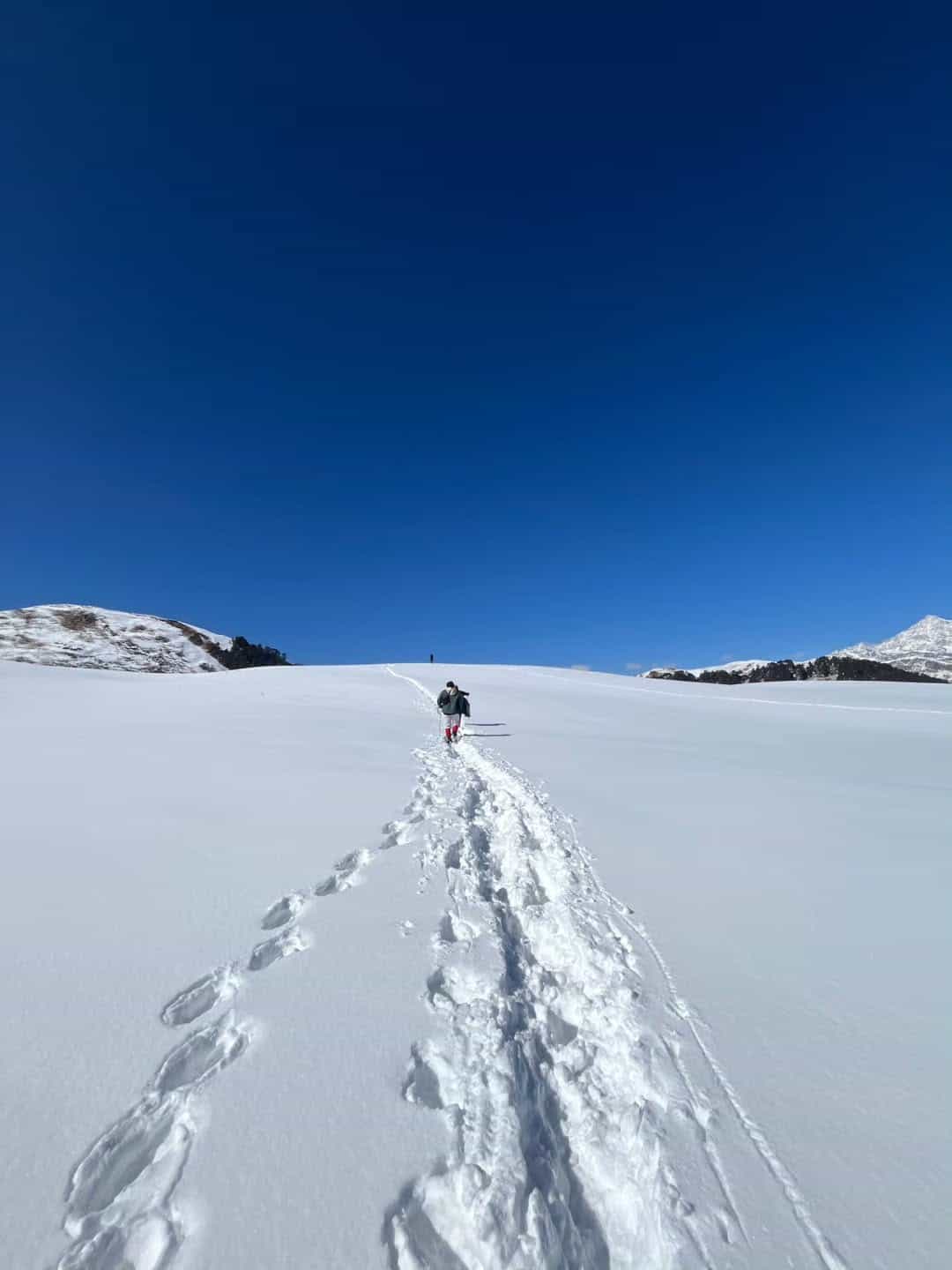
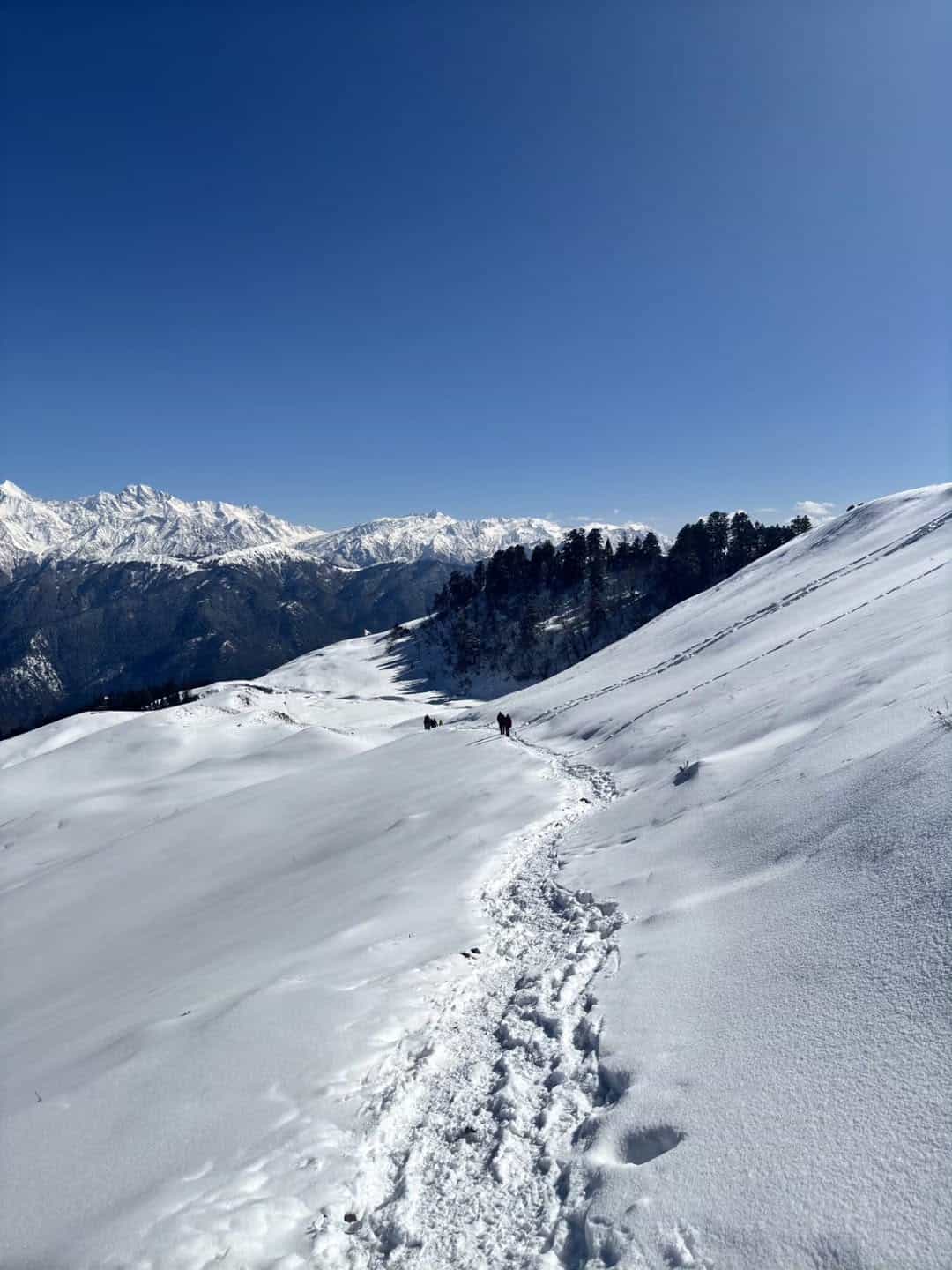
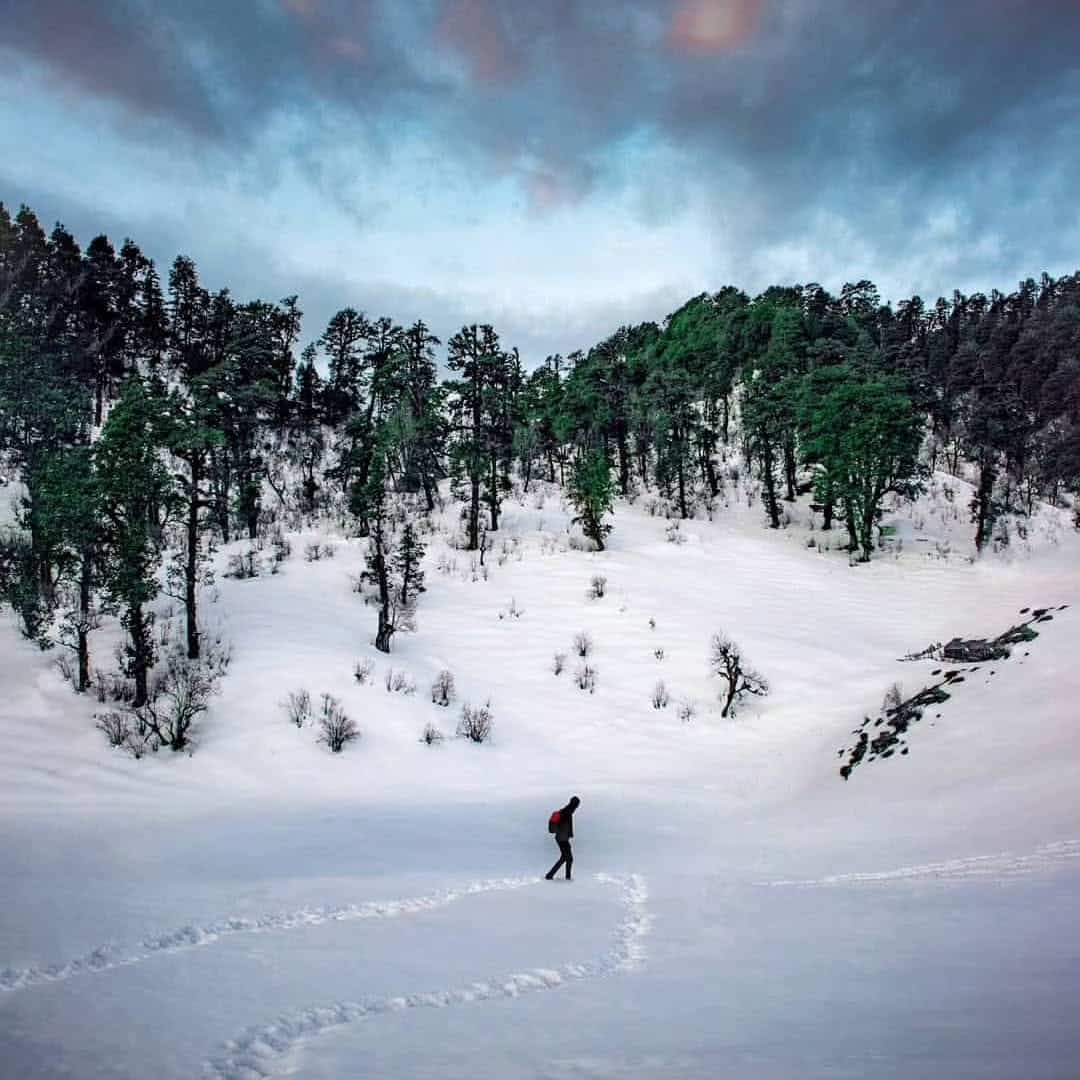
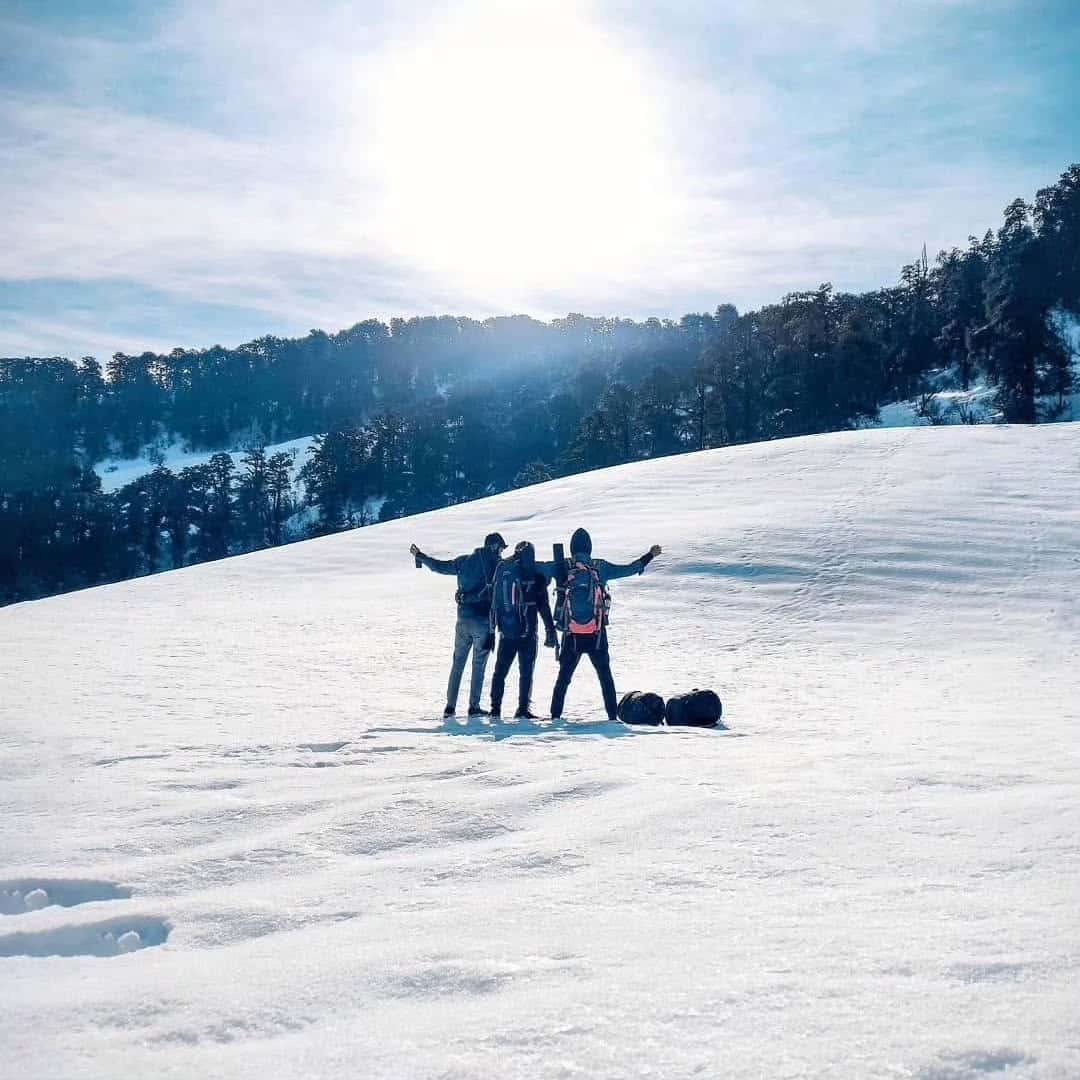
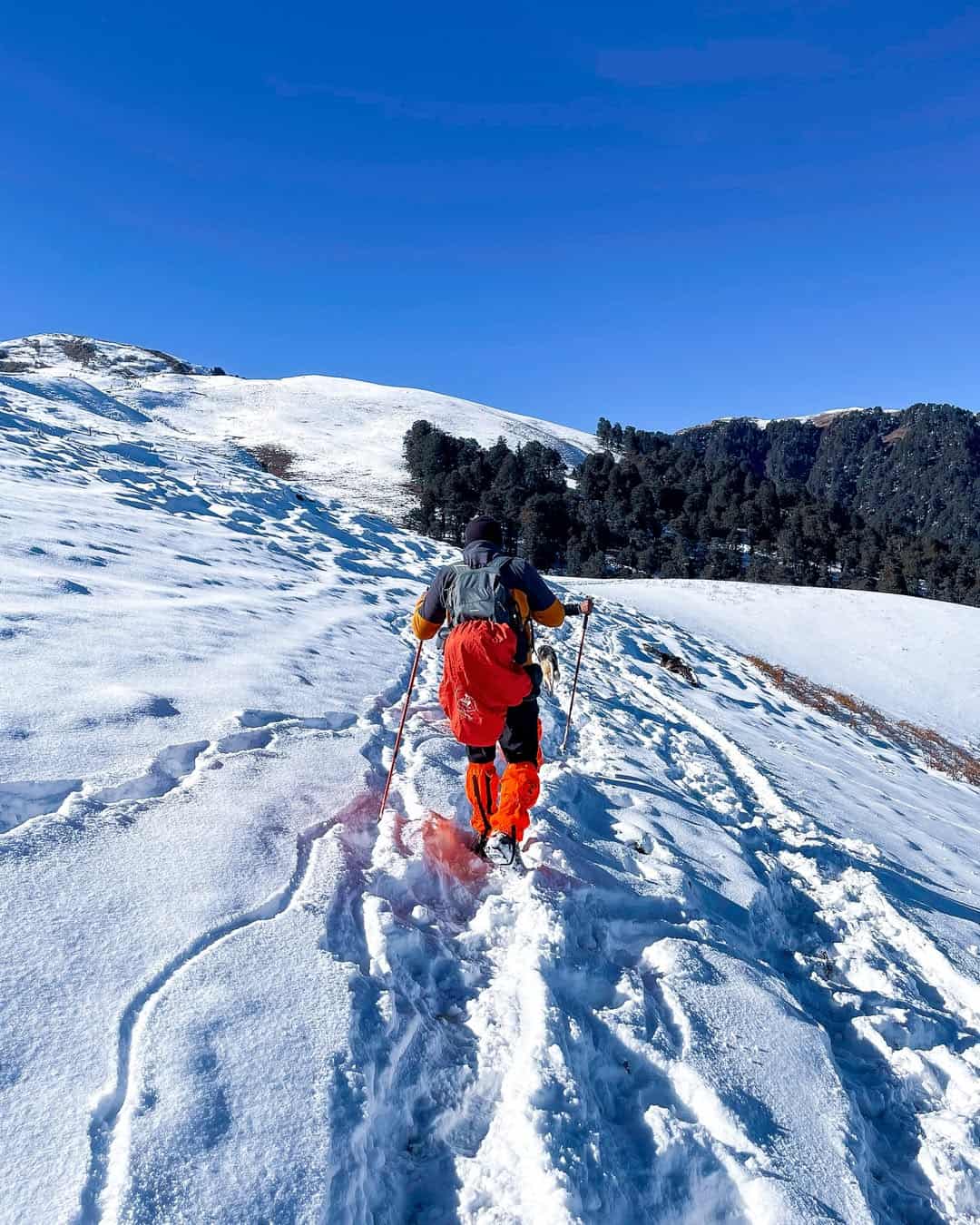
| Winter | Winter-snowy grasslands, a full winter-time experience |
Despite the stunning scenery The trek is still easy accessible. Within only three days of moderate to moderate trekking You will get to the heart of bugyal. This is a great option for beginners, families youngsters, as well as those who love nature and want to enjoy it but without the rigors of a challenge.
Presently, Dayara Bugyal has become one of the most sought-after and sought-after treks by Trekup India, admired by the first-time trekkers and seasoned explorers.
Dayara Bugyal at a Glance
-
Simple to moderate difficulty
-
Ideal for families and beginners
-
One of the most gorgeous meadow treks you can do in India
-
The snow trek is a great option for winter.
-
The forest is rich with a variety of species, alpine landscapes, and the views from the summit
Dayara Bugyal guarantees a memorable Himalayan experience no matter the time of year. It’s an trek that is rewarding fresh, rejuvenating, and utterly lasting.
Trek Cost
₹
7,750
+5% GST
-
Twin-Sharing Tent Accommodation Provided -
Pickup time 6.30 A.M from Dehradun Railway Station. -
+₹2200 Extra For Transport
/* widget: Simple Popup */
body.uc-active{
overflow-y: hidden;
}
#uc_simple_popup_elementor_2d130de1 .ue-simple-popup-inner{
position: relative;
}
#uc_simple_popup_elementor_2d130de1 .ue-simple-popup-wrapper{
overflow-y:auto;
max-height: 100vh;
}
#uc_simple_popup_elementor_2d130de1 .uc-editor-message.uc-error{
padding:10px;
font-size:14px;
color: red;
}
#uc_simple_popup_elementor_2d130de1 .ue-simple-popup-btn
{
display:flex;
align-items:center;
}
#uc_simple_popup_elementor_2d130de1 .ue-simple-popup-btn-icon
{
line-height:1em;
}
#uc_simple_popup_elementor_2d130de1 .ue-simple-popup-btn-icon svg
{
height:1em;
width:1em;
}
#inclusion:not(#uc_simple_popup_elementor_2d130de1 #inclusion){
display: none;
}
#uc_simple_popup_elementor_2d130de1 .ue-simple-popup-overlay{
position: fixed;
top:0;
bottom:0;
right:0;
left:0;
width:100%;
z-index:100;
display:flex;
opacity: 0;
pointer-events: none;
}
#uc_simple_popup_elementor_2d130de1 .ue-simple-popup-overlay.uc-active{
opacity: 1;
pointer-events: all;
}
#uc_simple_popup_elementor_2d130de1 .ue-simple-popup-close{
position:absolute;
line-height:1em;
cursor:pointer;
display:flex;
align-items:center;
justify-content:center;
z-index:1000;
right: 20px;
top: 50px;
}
#uc_simple_popup_elementor_2d130de1 .ue-simple-popup-close:focus{
outline: 2px solid black;
}
#uc_simple_popup_elementor_2d130de1 .ue-simple-popup-trigger{
cursor: pointer;
display: inline-block;
}
#uc_simple_popup_elementor_2d130de1 .ue-simple-popup-trigger:focus{
outline: 2px solid black;
}
@media screen and (max-width: 1024px) {
#uc_simple_popup_elementor_2d130de1 .ue-simple-popup-close{
right: px;
top: px;
}
}
@media screen and (max-width: 767px) {
#uc_simple_popup_elementor_2d130de1 .ue-simple-popup-close{
right: px;
top: 70px;
}
}
/* widget: Icon Bullets */
#uc_uc_material_bullets_elementor_149c7a83 *{
-webkit-box-sizing: border-box;
-moz-box-sizing: border-box;
box-sizing: border-box;
}
#uc_uc_material_bullets_elementor_149c7a83 .ue-icon-wrapper{
display: flex;
}
#uc_uc_material_bullets_elementor_149c7a83 .ue-icon{
display:flex;
align-items:center;
justify-content:center;
flex-grow:0;
flex-shrink:0;
line-height:1em;
transition:0.3s;
}
#uc_uc_material_bullets_elementor_149c7a83 .ue-icon svg{
height:1em;
width:1em;
}
#uc_uc_material_bullets_elementor_149c7a83 .uc_material_bullets_row{
font-weight:400;
overflow:hidden;
display:flex;
position:relative;
text-align:left;
width:100%;
transition:0.3s;
}
#uc_uc_material_bullets_elementor_149c7a83 .uc_material_bullets_row a.ue-item-link{
position:absolute;
display:block;
top:0;
right:0;
left:0;
bottom:0;
}
#uc_uc_material_bullets_elementor_149c7a83 .uc_material_bullets_row:last-child{
margin-bottom:0px !important;
}
#uc_uc_material_bullets_elementor_149c7a83 .uc_material_bullets_row {
position:relative;
vertical-align:middle;
}
#uc_uc_material_bullets_elementor_149c7a83 .uc_material_bullets_row .uc_content_box{
display:flex;
flex-direction:column;
justify-content:center;
align-items: flex-start;
flex-grow:1;
}
#uc_uc_material_bullets_elementor_149c7a83 .ue-bullets{
display:grid;
}
#uc_uc_material_bullets_elementor_149c7a83 .ue-text,
#uc_uc_material_bullets_elementor_149c7a83 .ue-title,
#uc_uc_material_bullets_elementor_149c7a83 .ue-seperator{
width:100%;
}
#uc_uc_material_bullets_elementor_149c7a83 .ue-seperator-line{
display:inline-block;
font-size:0px;
}
#uc_uc_material_bullets_elementor_149c7a83 .ue-seperator{
font-size:0px;
}
#uc_uc_material_bullets_elementor_149c7a83.uc-remote-parent .uc_material_bullets_row{
cursor:pointer;
}
.ue-title{
font-size:21px;
margin:0;
}
#uc_uc_material_bullets_elementor_149c7a83 .uc_content_box > *{
transition: all .3s;
}
Fix Departure Dates!
Trek Cost Inclusions and Exclusions!
Trek Cost Inclusions
- Stay: 3 Nights in tented accommodation at respective campsites of Trekup India on a twin sharing basis and 1 night in a guest house.
- Meals: Trekup India provides freshly cooked meals during the trek, starting with Dinner on Day 01 to breakfast, lunch on day 5 (Meals are simple, nutritious, and vegetarian and non-repeated meals)
- Transport (Optional):Â Dehradun to Raithal and returnÂ
- Trek Insurance (Mandatory):Â Trekup India recommends that all trekkers consider getting trek insurance. This is optional, but highly recommended. Trek insurance covers unexpected events that may occur during your trek. The cost of the insurance starts from INR 190. Please read more about what is included in the coverage and why it is mandatory on treks.
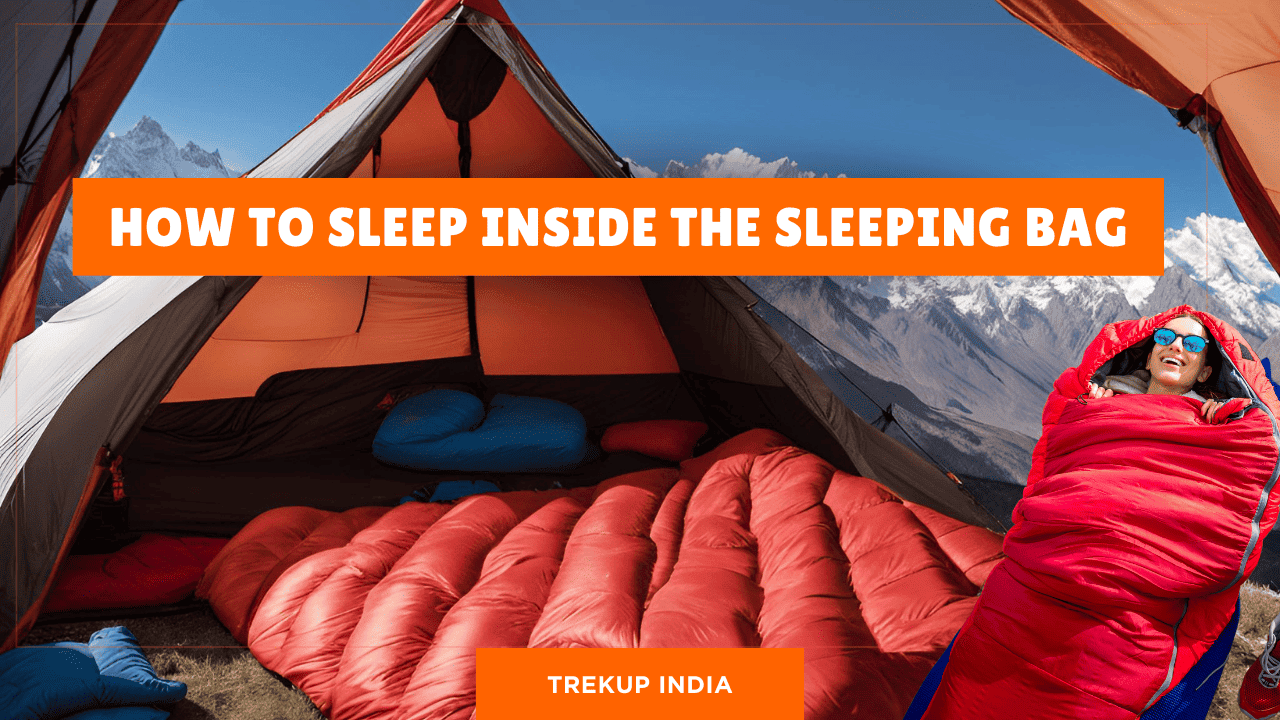
- Trek Equipment:Â Â Sleeping bag, Sleeping tents, Kitchen tent, Dining tent, Toilet Tent.
- Amenities: All utensils, sleeping mattresses (Black foam mats), Crampons, and Gaiters for snow.   Â
- Health & Safety:Â Â First Aid Box, Oxygen Cylinders, Stretchers, Oxi meters, BP Machines, health.
- Permits:Â Forest Permits and Camping Permission FeeÂ
- Trek Crew:Â High Altitude Chef, Helpers, Trek Leader & Guides, and other support teams.
- Potters & Mules:Â Potters and Mules are to carry all trekking equipment, ration, and vegetables.
Trek Cost Exclusions
- GST 5% (it is Mandatory)
- Any Meals/accommodation beside the itinerary or not mentioned in the program.
- Any Bus / Airfare to/from trek start/end pointÂ
- Personal Medical expenses do carry your medication.Â
- Any personal services such as Laundry, phone calls, liquors, mineral water, etc.
- Any still / video camera feeÂ
- Any Entrance fee Monuments, Monasteries, Museums, Temples – Pay directly on the spot.Â
- Backpack Offloading (Mule/Porter Charges)
- Offload Charges: ₹1,680 per bag for the full trek if paid online in advance.
- On-spot Payment: Charges may increase by up to 30% if paid at the base camp.
- Weight Limit: Each bag must not exceed 10 kg.
- Note:Â Offloading is optional and is recommended for those who prefer to trek with a lighter daypack.
- Any emergency evacuation charges
- Any services that are not mentioned in the cost inclusion section.
Dayara Bugyal Trek Videos
Videos by experts watch these videos to prepare well for a Successful Trek
Want To Trek Like Pro?
Basically, watch these videos if you want to trek the same way professional trekkers do and make your skills better. These videos contain useful tips and techniques to further improve your trekking skills itself. These videos actually help both new and experienced trekkers improve their trekking skills. These videos definitely provide useful tips that make your trek better. We are seeing that these videos by Trekup India experts will only help you make your trekking skills better.
Know Everything About Acute Mountain Sickness
Acute Mountain Sickness occurs when people trek to high altitudes above 8,000 feet. This condition itself develops further due to reduced oxygen levels at such heights. Basically, as you go higher up, the air pressure and oxygen levels decrease, which causes the same problem. Acute Mountain Sickness surely causes headache, nausea, vomiting, and dizziness in affected persons. Moreover, peoples also experience difficulty in sleeping during this condition. To avoid mountain sickness, you should actually trek up slowly to higher altitudes. To learn further about this condition itself, watch the videos by Trekup India.
Day Wise Detailed Itinerary of Dayara Bugyal Trek
Day 1: Dehradun to Raithal Village
- Altitude Gain: Raithal Village – 2,176 meters / 7,142 feet
- Drive Duration: Approx. 8–9 hours
- Drive Distance: Approx. 182 kilometers
- Driving Route: Dehradun – Suwakholi – Moryana Top – Uttarkashi – Bhatwari – Raithal
- Pick-up Location: Prince Chowk, Dehradun is at 06:30 AM
- View of the Gangotri range starting from Moryana Top.
- Stay in a Guesthouse
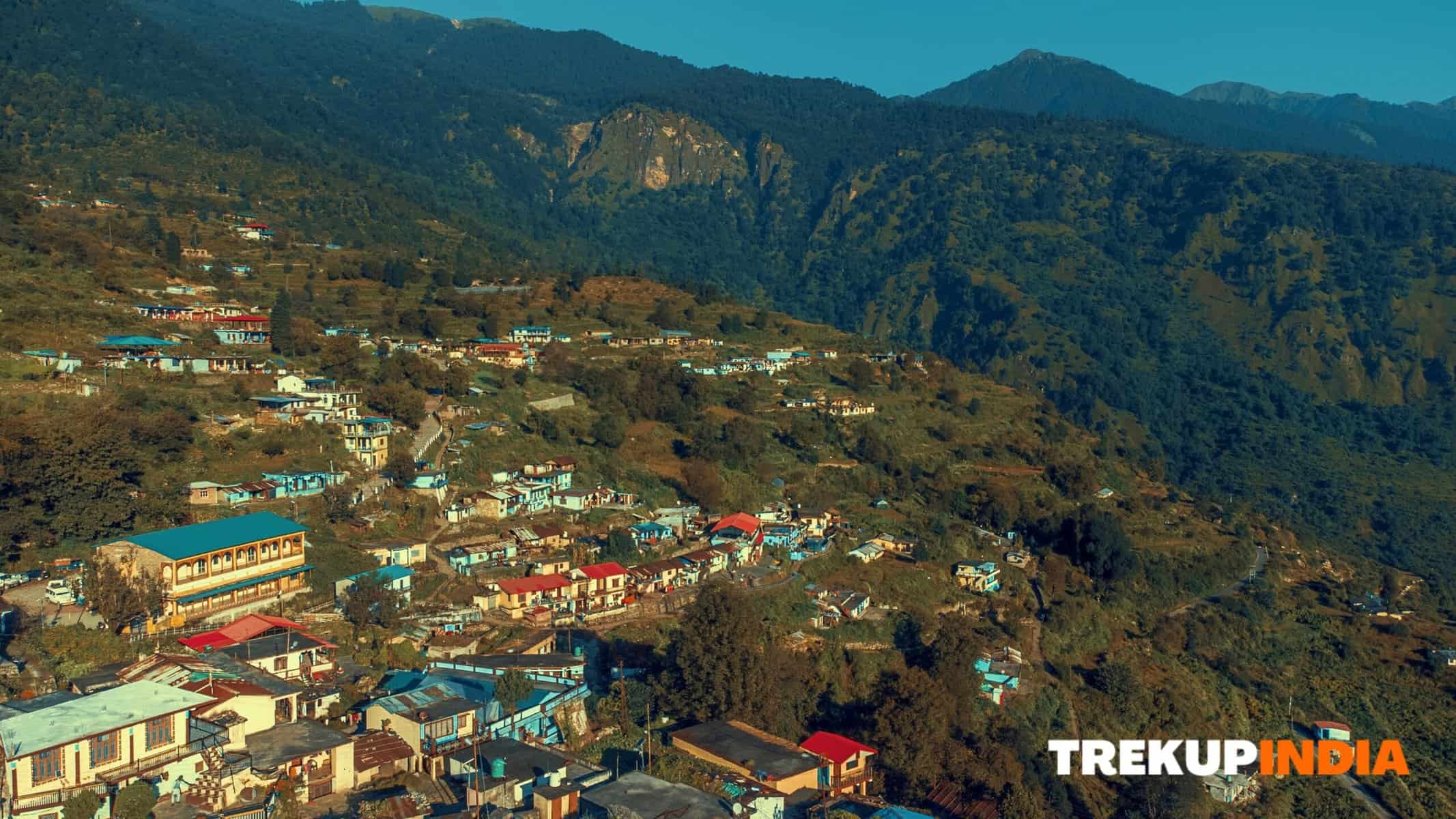
Raithal serves as the base camp for the Dayara Bugyal trek, which is approximately 9 hours from Dehradun, making it an exciting starting point for adventure seekers.
The drive is scenic, beginning with lush forested areas as you leave Dehradun. Passing Mussoorie within the first half hour highlights the region’s beauty.
Beyond Mussoorie, along the route towards Uttarkashi, Tingling Point offers a breathtaking view of the Garhwal Himalayas, revealing peaks from the Swargarohini range near Himachal to Mt Bandarpoonch, Mt Srikanth, the Gangotri peaks, Chaukhamba massif, and Mt Nanda Devi, sparking interest in the mountain scenery.
Uttarkashi is the biggest town on the route, following which the route continues to Bhatwari.
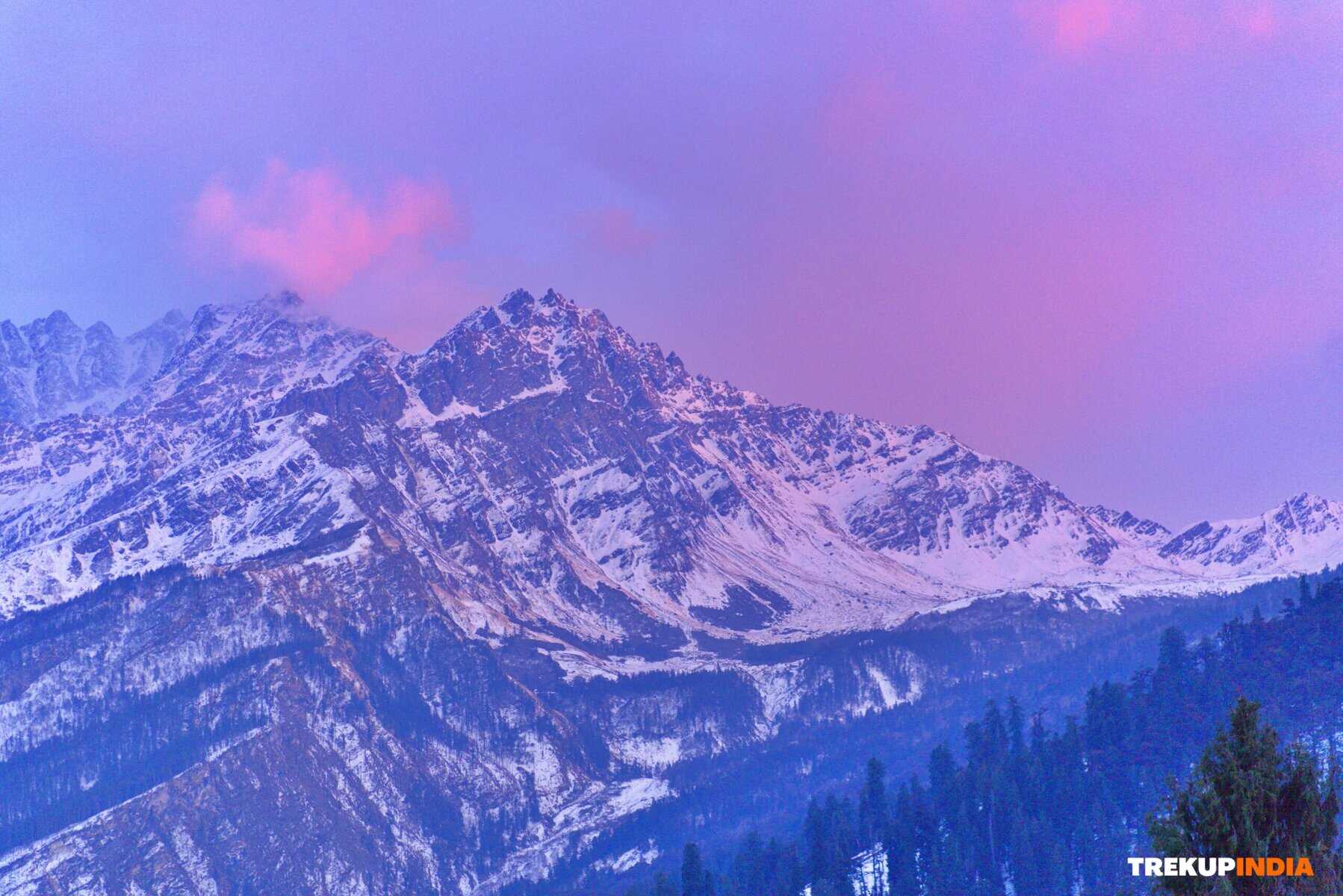
The closer you approach Raithal at sunset, the more breathtaking it becomes as the sky is painted in vibrant shades, illuminating mountain ranges like Bandarpoonch, Srikanth, Jaonli, and the twin peaks of Draupadi ka Danda, creating a stunning welcome to the mountains.
Â
On reaching Raithal, we will stay in the Trekup India guest house.
Day 2: Trek From Raithal to Gui
- Altitude Gain: Gui – 2,900 meters / 9,500 feet
- Trek Duration: Approx. 4–5 hours
- Trek Distance: Approx. 4.3 kilometers
- Trail Type:Â Easy trail. Gradual easy ascent.
- Meals:Â Break fast at Raithal & Hot lunch on the campsite
- Stay:Â In tents on twin sharingÂ
- A well-marked trail leads to the campsite
- Carry 2 litres water bottles if you don’t have access to water sources
What to Expect on the Trail
- From Raithal, you’ll get the view of the mountain Srikanth as well as the Gangotri II, I, and III peaks, as well as Bandarpoonch, and other Garhwal ranges.
- The higher you go, the more noticeable they become.
- The gorgeous forest in the vicinity of the Gui campsite is clearly visible from Raithal.
Trail Description
- Begin at Raithal Village
- The trail departs the village fast.
- Explore terraced fields with wide valley views.
- Water Point Cleaning (After approximately 1 hour)
- An open meadow that is flat and grassy that has the convenience of a hand pump ideal to relax and replenish water.
- Enter the Dense Oak & Rhododendron Forest
- A rich biodiversity Moru and Kharsu oaks are the dominant species in this forest.
- There are no Pine tree in this trail (unlike many Uttarakhand routes.
- Sometimes, there are clearings that offer stunning mountain views.
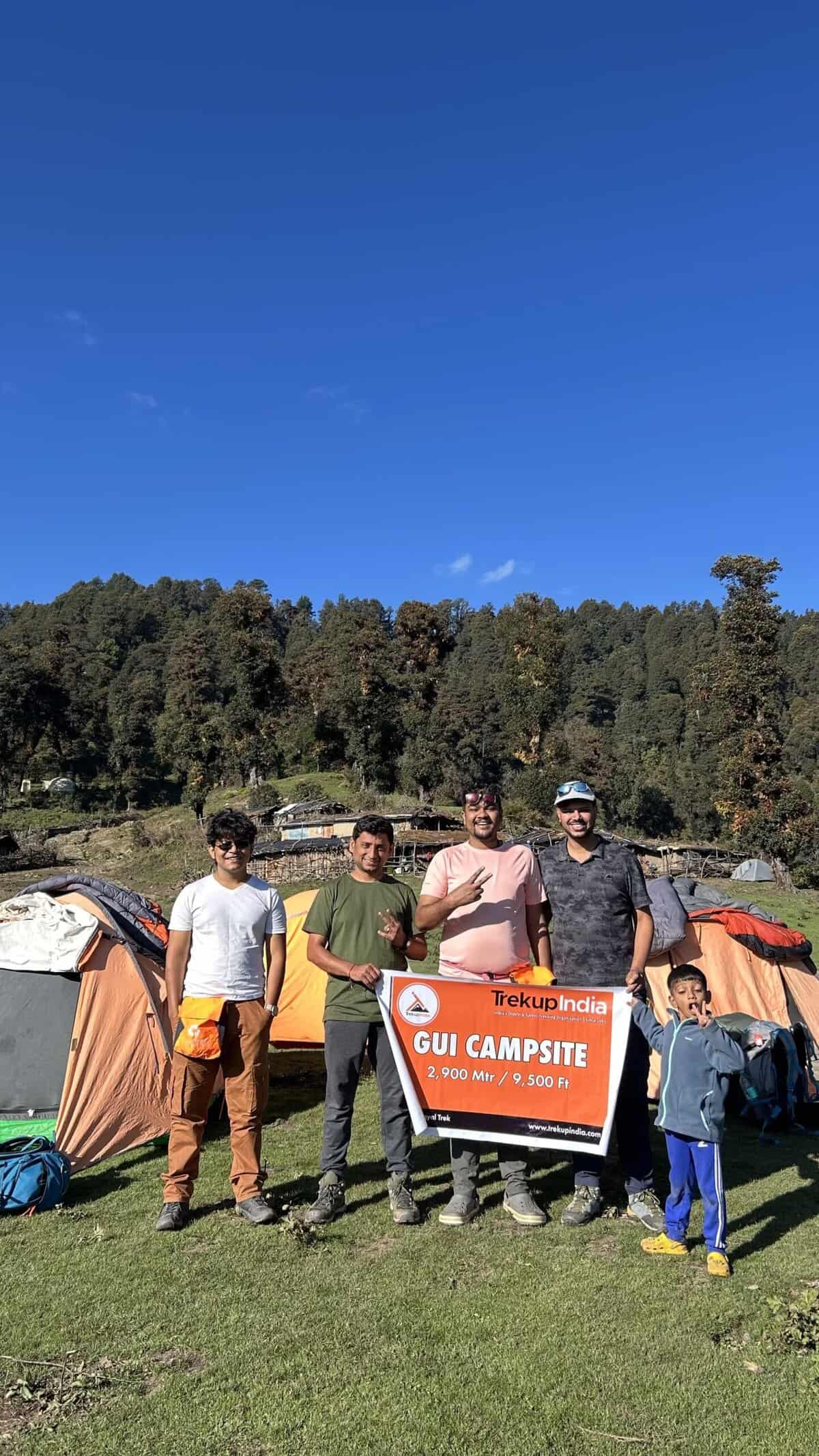
- Arrival at Gui Campsite
- A pleasant clearing, with a lush forest.
- Nearby summer cabins were used by villager.
- The shelter is a Forest Department U-shaped shelter is located near the camping area.
Experience at Gui
- Beautiful and tranquil camping site.
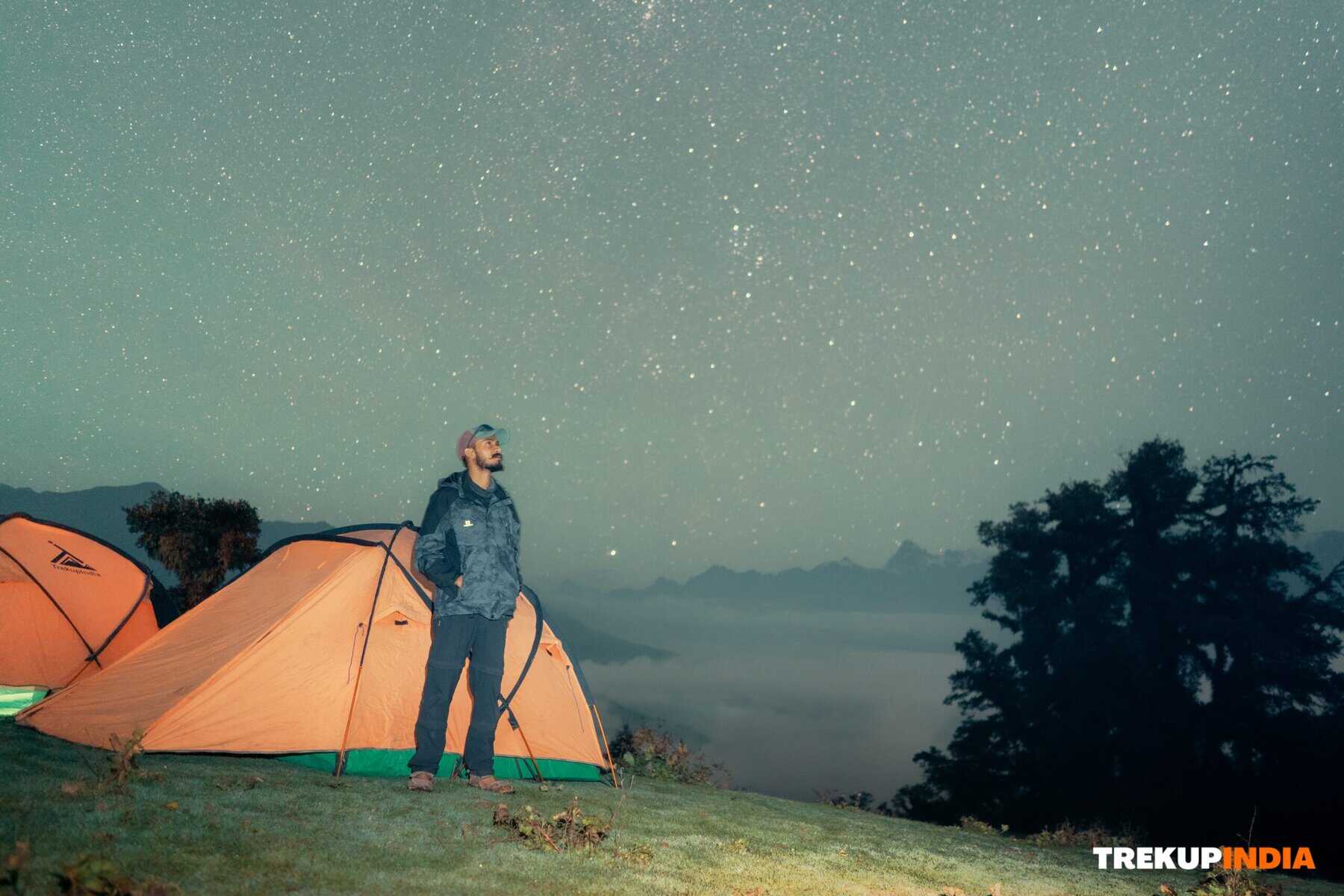
- Beautiful night panoramas stunning evening views Bandarpoonch, Srikanth, Jaonli as well as Draupadi ka Danda peaks.
- The perfect spot to watch the stars thanks to the open sky and low illumination.
Day 3: Trek From Gui to Chilapada
- Altitude (Chilapada): 3,300 m / 10,500 ft
- Trek Distance: 3 km
- Trek Duration: 2–3 hours
- Accommodation: Tents
- Water Requirement: 1 liter (refill available at campsites)
Begin your day by enjoying an enticing breakfast served at the Gui campsite. After briefing the group, start the trek to Chilapada. The trail is straightforward and slowly climbs up through the thick Himalayan forest. Once you walk away from Gui, the vast panoramic views of the mountains open. If you’re lucky, you’ll see magnificent peaks such as Srikanth, Gangotri I, II, and III, as well as Jaonli, appearing in the fullness of view. In winter, when it is cold, the route can be covered with snow, which adds tranquil beauty to the trail.
The trek is quick and great for getting acclimated. Spend time taking in the splendor of alpine trees, the fresh mountain air, and the tranquil peace of the mountains.
After reaching Chilapada at around midday, you can settle at the campsite with a forest view. Hot meals will be provided after a little relaxation. The surrounding areas offer ample open space for exploration. A few acclimatization strolls in the vicinity of the camping area are recommended for adjusting to the greater altitude with ease.
When the evening draws in, take a cup of tea in the cool mountain breeze, and take a break to relax or watch the stars. Then, enjoy an evening meal with your friends, and then enjoy a relaxing overnight stay in comfortable campers at Chilapada.F
Day 4: Trek From Chilapada to Dayara Bugyal Top & Trek to Nayata
- Highest Altitude (Dayara Top): 3,670 m / 12,040 ft
- Trek Duration: Approx. 7Â hours
- Trek Distance: 10 kilometers
- Trek Grade:Â Moderate
- Meals:Â Breakfast, Pack Lunch & Dinner
- Stay:Â In tents on twin sharing at Nayata
- Water Source: Keep enough water with you, there is only one source of water near the top
Breakfast in Chilapada. After breakfast, start the exhilarating trek towards Dayara Bugyal, one of the most stunning high-altitude meadows located in India. The beginning trail is a steady climb through the forest before turning into a sprawling area with alpine grasslands. Once you’ve reached the summit, expect to be stunned by the panoramic perspectives of the stunning Himalayan range.
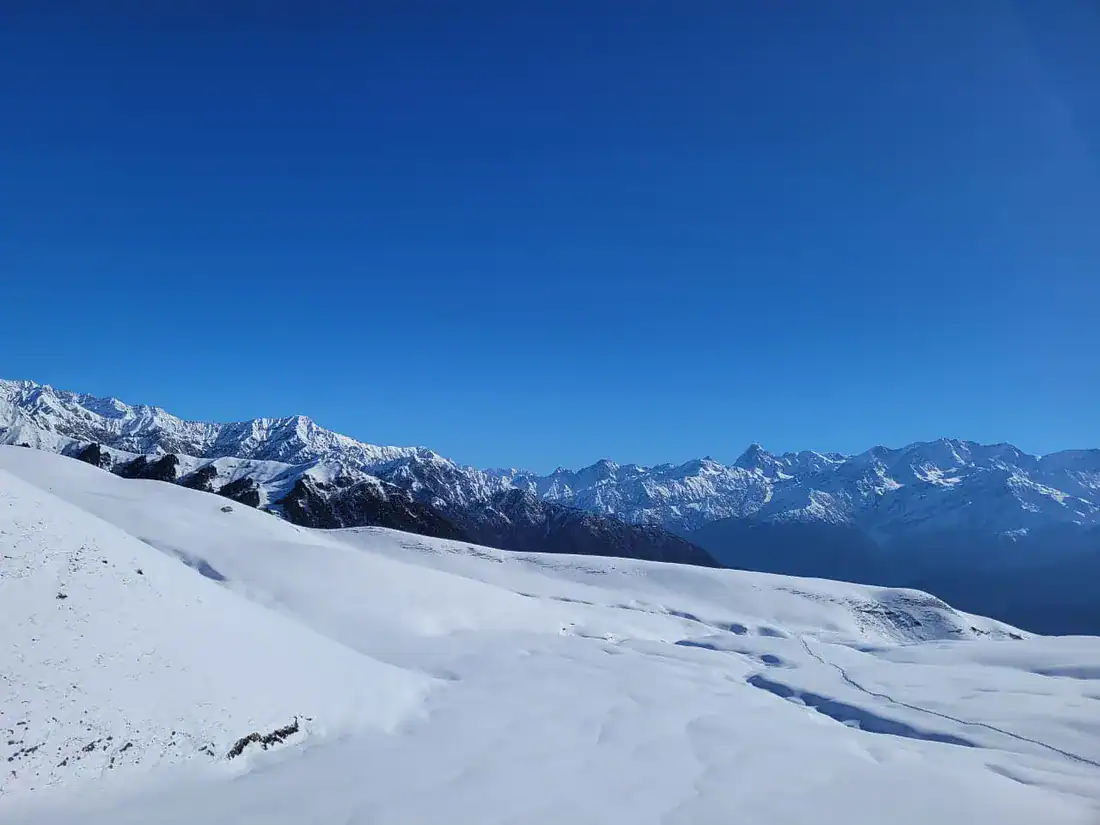
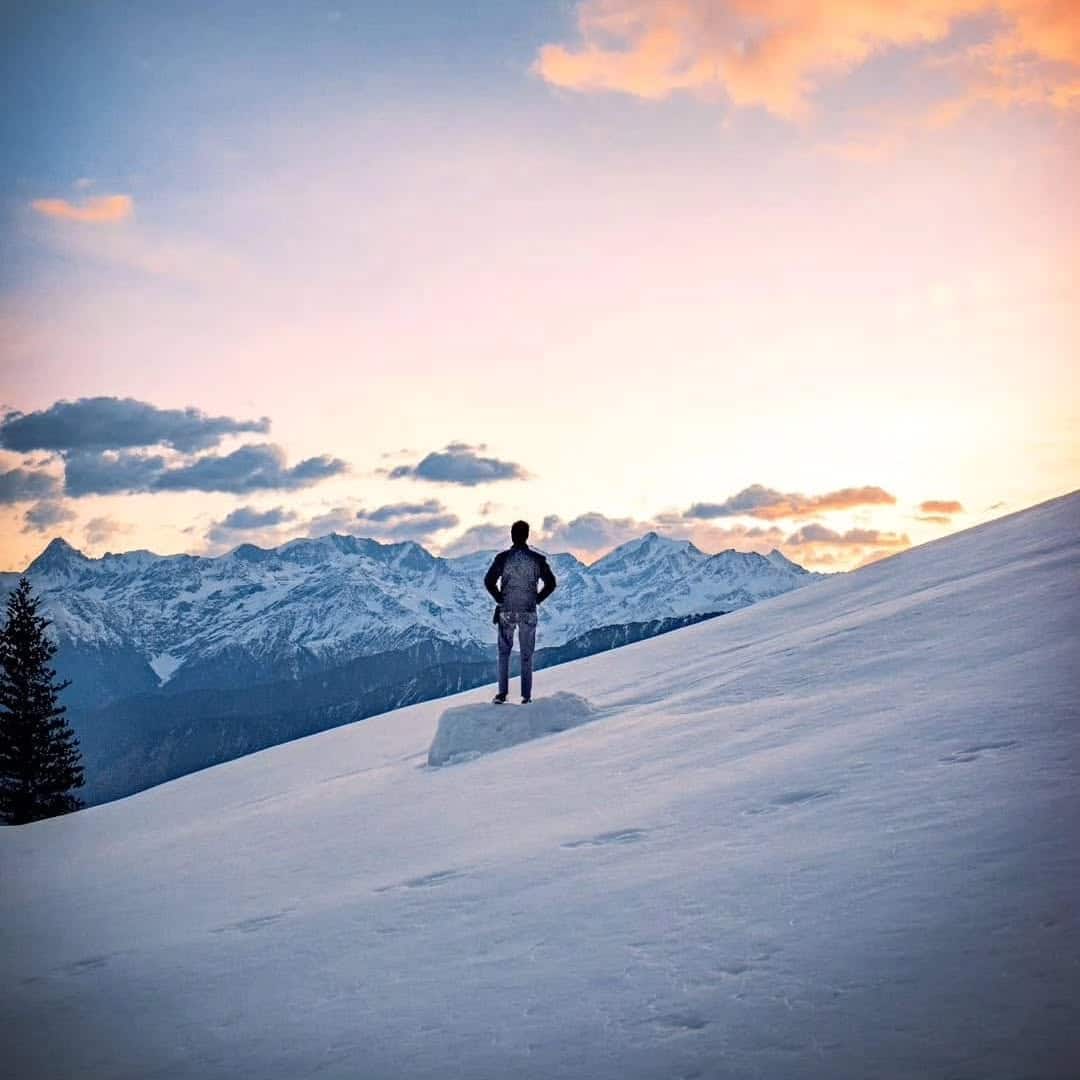
Behold the imposing peaks of Bandarpunch, Black Peak (Kalanag), Srikanth, the Gangotri Massif, and other snow-covered summits dominating the skyline. In winter, the meadow turns into an impressive white blanket of snow, which makes the view even more beautiful.
Enjoy a few minutes up there soaking up the stunning views, snapping photographs, and taking in the serene surroundings at this famous Bugyal.
After an unforgettable experience at the summit, you can begin the gradual climb toward Nayata camping Site with forest sections and breathtaking, wide-open views. A hot lunch or dinner snack is served on your arrival, based on the timing.
Relax, unwind for a while, then take a brief adjustment walk throughout the camping area in case you need to. Finish the day by eating the warmth of a meal, and then enjoy the comfort of sleeping in tents in the night sky.
Day 5: Nayata to Raithal, then drive back to Dehradun
- Trek Duration: Approx. 3-4Â hours
- Trek Distance: Approx. 4.1 kilometers
- Trail Type:Â Easy Trail
- Meals:Â Breakfast at Nayata and Hot lunch at Raithal
The trek takes approximately 4 hours to arrive at Raithal. So, start your today’s trek early, around 7 am. At the Nayata campsite, follow the main trail that you had walked from Dayara earlier. The trail goes downhill under the thick cover of forest vegetation.
15 minutes of downhill will bring you to a rain shelter, where you took a detour towards Barnala as you climb to the top. Follow your main trail.
Continue for another hour until you reach the clearing of grass with the source of water. Pause here for a moment prior to the final descent towards Raithal. The arch at Raithal is the point where you’ve concluded this trek.  This brings to an end your unforgettable Dayara Bugyal trek.
On reaching Raithal, we will have our final lunch, then drive to Dehradun, covering a distance of 235 kilometres. On the way back to Dehradun, passing through Uttarkashi, there will be lunch. Expect to arrive in Dehradun between 7:30 pm and 8:00 pm. Plan your further travel accordingly.
Â
Dayara Bugyal Trek Route Map
We’ve prepared a comprehensive Trek Route Map for your upcoming adventure to Dayara Bugyal Trek, which outlines the entire journey including all stops and trails. This map provides detailed information on the terrain, distance between points of interest, and estimated travel time to help ensure a safe and enjoyable trek. We’ve carefully curated the map to ensure that you have all the necessary information at your fingertips. Please take a moment to review it thoroughly, and don’t hesitate to reach out if you have any questions or concerns.
Dayara Bugyal Trek Altitude Chart
The Trek Altitude Chart is a useful tool for Trekkers to monitor their altitude changes during their rides, allowing them to plan their routes more efficiently and track their progress over time. This Dayara Bugyal Trek chart is beneficial for both casual and experienced Trekkers, helping them make the most out of their Trek experience.
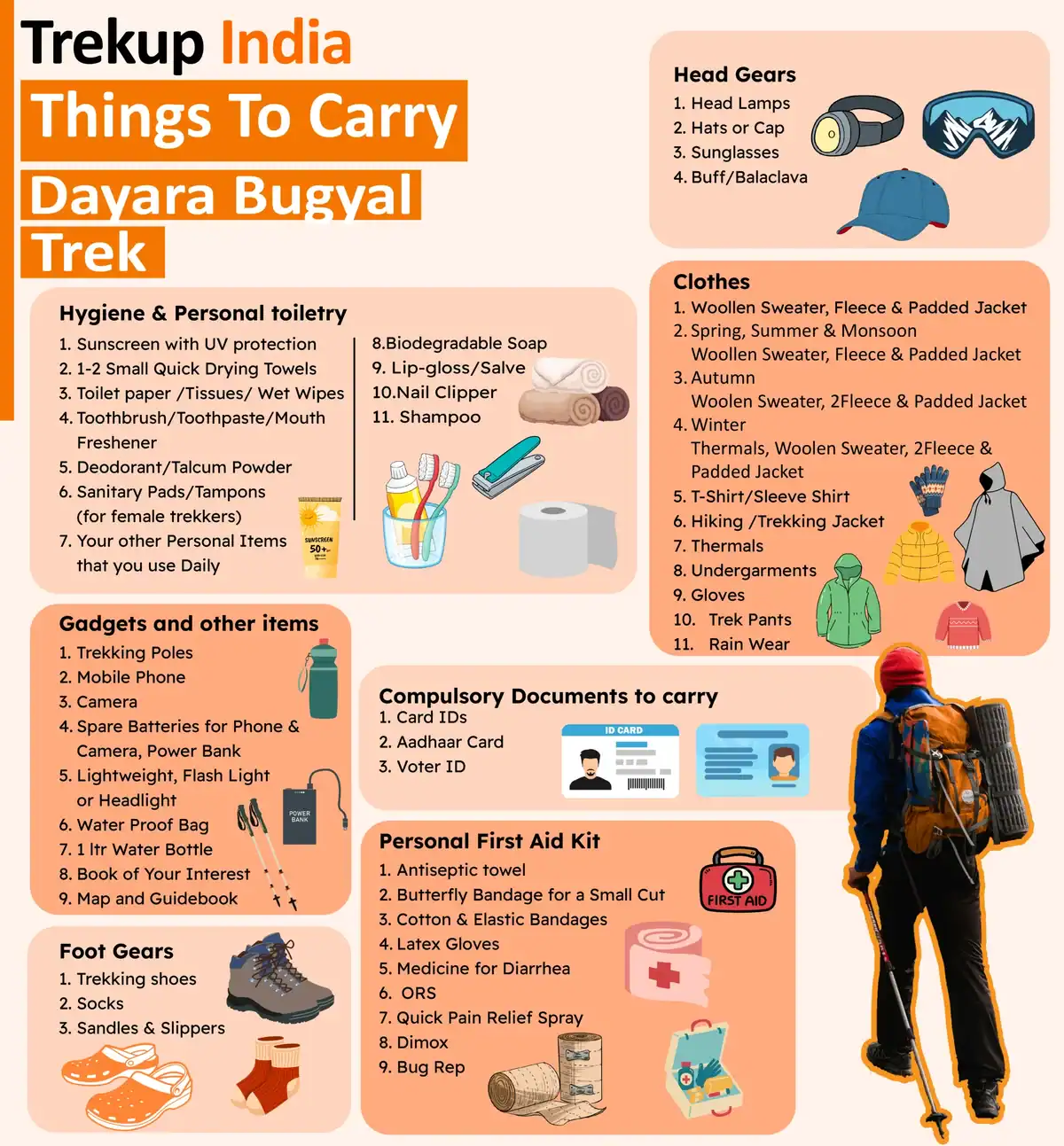
What should you pack for the Dayara Bugyal Trek
Dayara Bugyal Trek is a high-altitude trek. The trekking gear you have to have for this particular trek differs from normal treks. Thus, read this whole segment. There is an important question that the trekker who is doing trek asks, like what all things to carry while trekking. Below, we have provided the details on everything you should take; an easy way to remember is by Head to foot or foot to head. We have prepared from Head to foot.
Head Gears
When trekking it’s important to carry headgear to protect your head and face.
Heading out for a trek? Don’t forget to carry headgear to protect your beautiful face and head from the sun, wind, and dust! It’s an essential accessory that keeps you safe and comfortable throughout your adventurous journey. So, make sure you pack it before you step out into nature!
- Head Lamps – When trekking at night, headlamps are essential to illuminate your path while keeping your hands free. Headlamps come in different sizes and lumens, so it is essential to choose one that suits your needs.
- Hats or Cap – Caps or hats are also necessary when trekking in different weather conditions. Caps protect your head from the wind and freezing temperatures at night, while hats provide shade and protection from the sun during the day. It’s essential to ensure that your hat has a strap to prevent it from being blown away by the wind.
- Sunglasses – Sunglasses are also essential for trekking. Your sunglasses should protect your eyes from harmful UV rays and fit your face perfectly to avoid falling off while climbing, jumping, or crossing obstacles. The glass of your sunglasses should also be designed for different weather conditions to provide optimal visibility.
- Buff / Balaclava – Lastly, a buff or balaclava is a must-have to protect your mouth or neck from extreme temperatures and keep them warm. Buffs and balaclavas come in different materials, thicknesses, and designs, so it’s important to choose one that suits your needs and preferences. Depending on the weather conditions and your activities, you can wear them as neck warmers, face masks, or headbands.
Clothes
When trekking in high altitudes, prepare for cold weather by wearing layers. Layering traps heat, keeps you warm, and allows you to easily adjust your clothing as temperatures fluctuate.
Layering is important for different seasons when trekking. When planning a high-altitude trek, it is important to prepare for the cold weather. Wearing layers is the best approach as it provides both protection and flexibility when the weather changes frequently in the mountains. Layering helps to trap heat and keep your body warm, while at the same time allowing you to easily adjust your clothing as the temperature fluctuates. By wearing layers, you can enjoy your trek comfortably and stay safe in the unpredictable mountain weather
- For spring, summer, and monsoon treks, consider wearing three layers: a woollen sweater, a fleece, and a padded jacket.
- For autumn treks, add one more fleece layer to make it four layers.
- For winter treks, you may need five layers with thermals, a woollen sweater, two fleeces, and a padded jacket.
- T-shirt/sleeve shirt– Bring three T-shirts and two quick-dry trek pants, wearing one and carrying the others. Long sleeve shirts help to protect from sun UV rays. We recommend synthetic T-shirts as they get dry quickly when they get wet.
- Hiking / Trekking Jacket– down jackets (-5 to-10 C) or two-three-layer jackets.
- Thermals– at least two pairs of thermals help keep the body warm during cold weather.
- Undergarments– you can carry them according to your habitual and hygiene requirements.
- Gloves– 1 pair of gloves will keep your hand warm and nice.
- Trek Pants– Bring 2 to 3 comfortable trekking pants. Trekking pants play a significant role, as they are designed for comfort and mobility, making trekking easier. It should be Synthetic so that it gets dry quickly when wet.
- Rain Wear– you can carry a raincoat or Poncho. During long rains and snowfalls, the waterproof jackets start leaking. Still, the Poncho and raincoats keep you dry, so choose accordingly.
Tip:Â If you choose a raincoat on your trek, carry a small waterproof cover so things inside your backpack can’t get wet. If you carry a Poncho, you don’t need to worry. It protects both you and your backpack.
Foot Gears
When it comes to planning a trek, one of the most important aspects is to ensure that you have the right kind of foot gear.
- Trekking shoes which are waterproof and have ankle support. Walking / Hiking sandals which can be used off the trek, i.e., in the morning and evening hours when you reach the campsite, basically to get your feet rest from heavy boots, sometimes used for crossing streams and rivers, it’s more comfortable and safer than crossing barefoot or wetting your shoes. Sneakers (Optional) can be worn for normal driving days or used around the camp.
- Socks– you should at least carry 3 to 4 pairs.
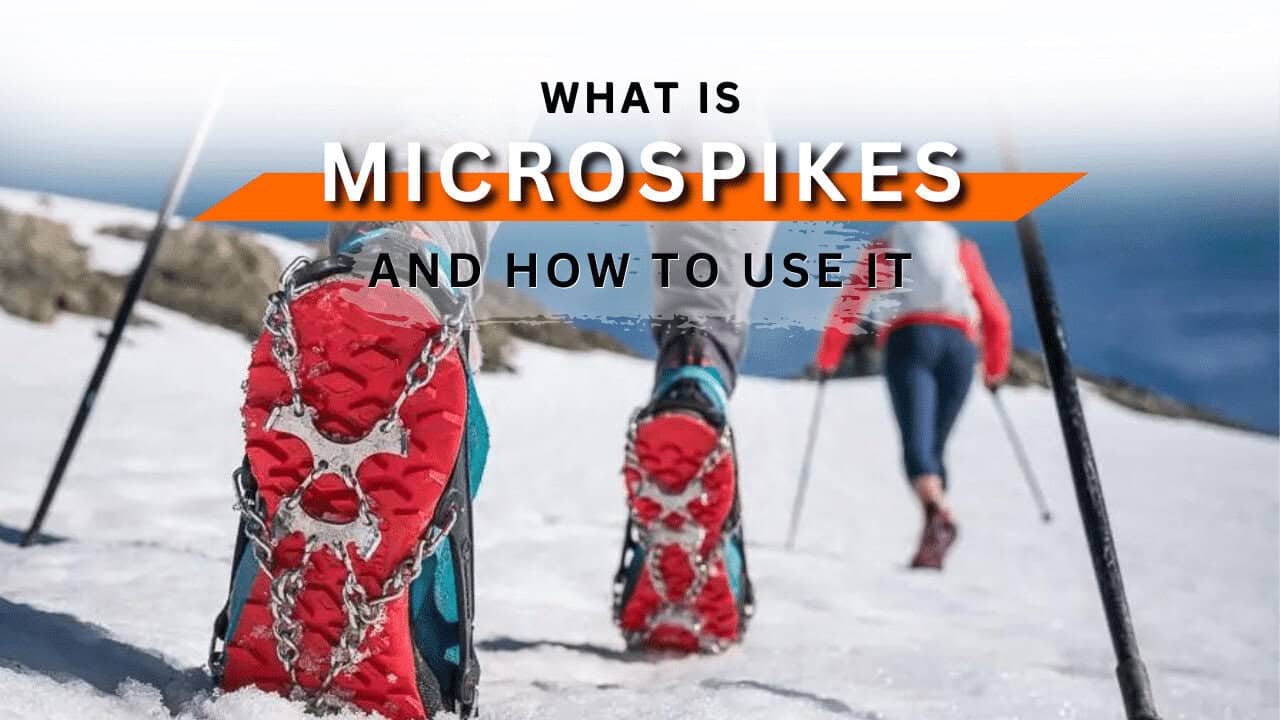
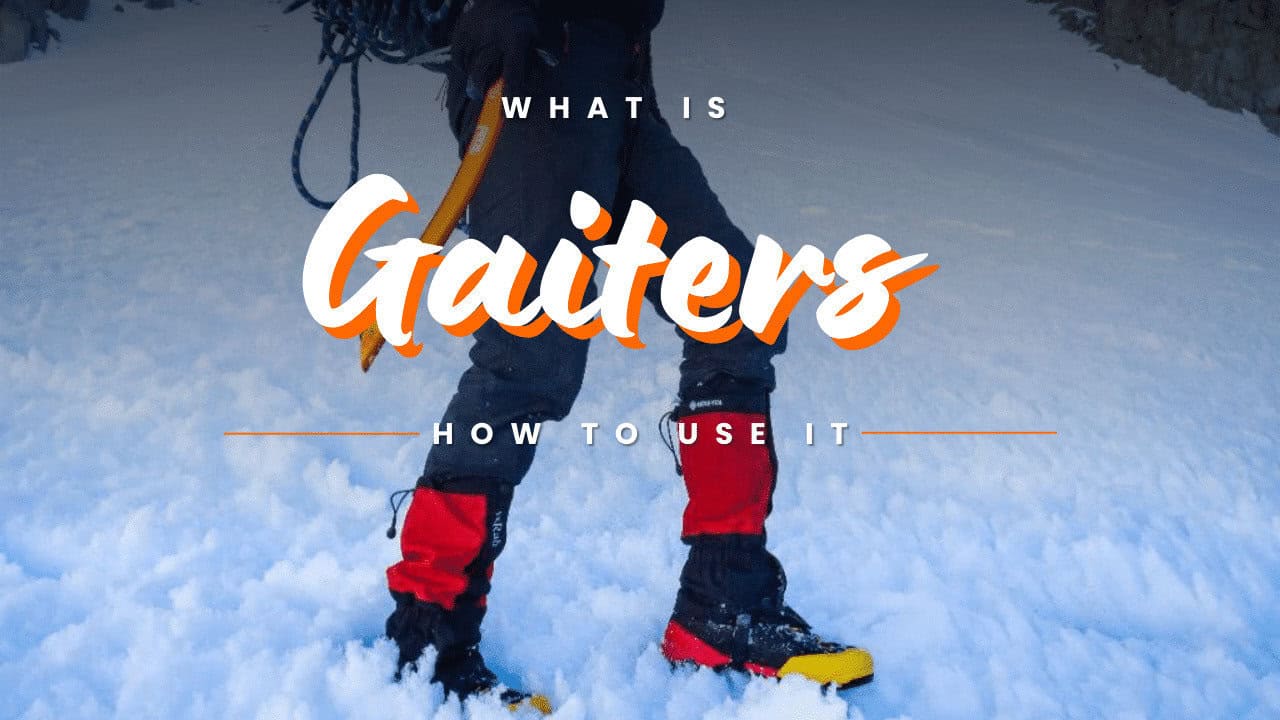
- Microspikes & Gaitorswill be provided by Trekup India when required. You don’t have to carry them.
Personal First Aid Kit
Don’t forget to pack your personal first aid kit! It’s always better to be safe. So, make sure you’re prepared for any unforeseen circumstances.
Below are some common medicines generally required/used during your adventure trip; however, please consult your doctors prior.
- Antiseptic towel or water syringe (to clean the wound)
- Butterfly bandage for a small cut
- Cotton and elastic bandages and sterile gauze pad for larger wounds
- Latex gloves are used when the wound bleeds.
- Medicine for Diarrhea (Upset stomach)
- Medicine for cold, flu/fever, headache
- Some pain killers
- ORS pouches
- Quick pain relief spray (External use)
- Any personal medicine prescribed by your doctor
- Dimox / Similar for high altitude sickness
- Bug Repellent
- Carry some energy bars and drinks (non-alcoholic)
- Note: Kindly consult your doctor before purchasing or taking any medicine.
Gadgets and Other Items
You might also consider bringing a camera, binoculars, portable charger, and snacks. Be well-prepared and tackle any trail with confidence.
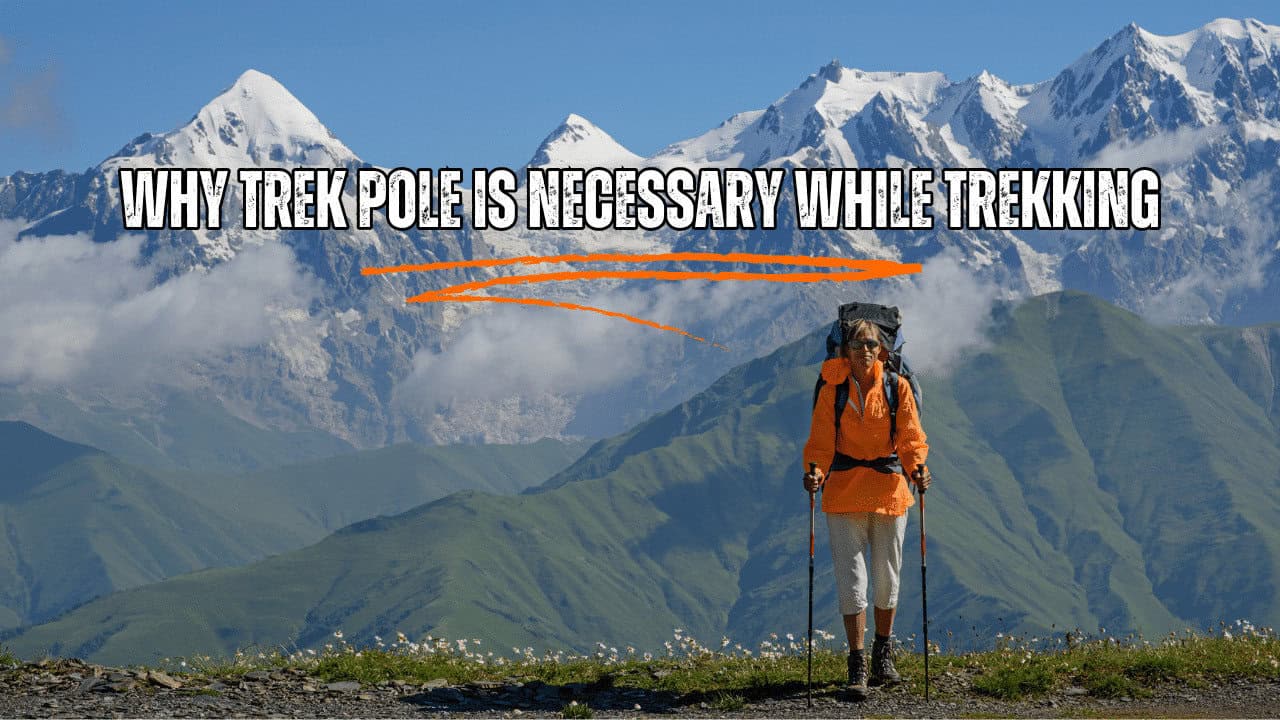
- Trekking Poles
- Mobile phone
- Camera
- Spare batteries for phone and camera, power bank
- Lightweight flashlight or headlight
- A waterproof bag made of plastic is used for the camera.
- Plug/converter for electrical items
- 1-litre water bottle
- A journal with a pen would be a good idea to keep your notes.
- Some book of your interest for the ideal time
- Get into the habit of maintaining a Map and guidebook of the region.
Hygiene & Personal toiletry
Remember to pack hygiene and personal toiletry items such as soap, shampoo, toothbrush, toothpaste, deodorant, and toilet paper.
- Sunscreen with UV protection to shield your skin from harmful rays
- 1 or 2 small quick-drying towels to help you dry off quickly in case of rain or sweat
- Toilet paper, tissues or wet wipes for maintaining hygiene while on the trek
- Toothbrush, toothpaste, and mouth freshener to keep your mouth clean and fresh throughout the journey
- Deodorant or talcum powder to help you stay fresh and odor-free, especially during hot and humid climates
- Shampoo to keep your hair clean and healthy
- Sanitary pads or tampons (for female trekkers) to manage menstrual cycles
- Lip-gloss or salve to protect your lips from dryness and chapping
- Bio-degradable soap to keep yourself clean and hygienic while on the trek
- Nail clipper and other personal items that you use daily
Compulsory Documents to Carry
There are certain documents that you should always carry with you. These documents are not only necessary for your safety and security, but they may also be required by local authorities.
These files must be submitted to the Forest Department before your trek. With none of these, you will not be permitted to trek—original and photocopy of government photo identity card. Carry IDs like Aadhaar, voter ID, etc.
How To Plan Your Trek & Reach Dehradun?
By Air:
Jolly Grant Airport is the nearest airport to Dehradun by flight, almost 25km from the city. You can find regular flights from Delhi to Dehradun.
However, if you plan to reach Dehradun by flight, it is better to come one day in advance.
By Train
Two express trains are convenient if you want to reach Dehradun from Delhi by train. With the train, it is an overnight journey. The two trains are mentioned below:
Nandadevi Express – Train no: 12205 (Departure 11:50pm; Arrival – 5:40am)
Dehradun Express – Train no: 12687 (Departure – 9:10pm; Arrival – 5:00am)
By Bus
There is a regular bus service to Dehradun from Delhi. ISBT Kashmere Gate is the central bus station in Delhi, from where you will find both AC and non-AC buses to Dehradun.
However, taking government buses from Kashmere Gate ISBT is always better. The bus will drop you off at Dehradun ISBT, and then we will send our staff, who will pick you up from Dehradun Railway Station, so you need to reach there.
Fitness Required & Preparation Guide For Dayara Bugyal Trek
If you’re preparing for a Dayara Bugyal Trek, Trekup India recommends jogging as part of your fitness routine. Jogging helps work out the same muscle groups that you’ll use during trekking and can help you build endurance. You don’t need any special equipment to get started.
Fitness Target
Trekup India has put the Dayara Bugyal Trek into an easy-to-moderate-grade-level trek.
For Easy – Moderate Treks –Â In order to be well-prepared for your upcoming trek, it is recommended that you focus on building your endurance by aiming to cover a distance of 4.5 kilometers in less than 45 minutes. This will help you to develop the necessary stamina and strength required to successfully complete your journey.
How to Achieve This Fitness Target?
To start preparing for your trek:
- Try jogging for at least five days every week.
- If you find 5 km too difficult at first, begin with 2 km and gradually increase over 2-3 weeks.
- Once you feel more comfortable running 5 km, focus on improving your speed gradually on a daily basis.
It is important to ensure that you can consistently complete 4.5 km in under 40 minutes for at least two weeks before your planned trek. Allow yourself 6-8 weeks to prepare physically for the journey.
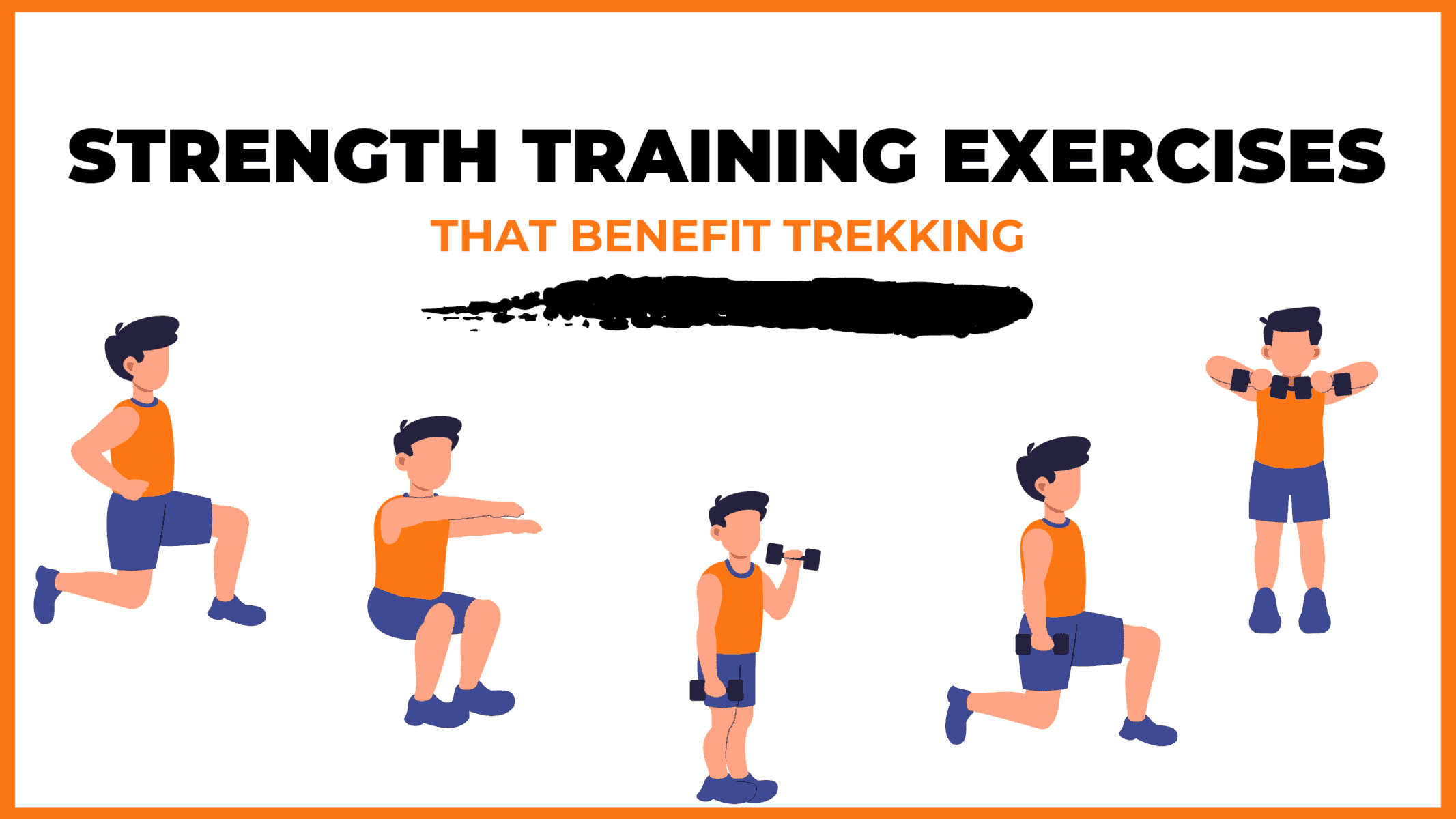
Strength Training exercises that benefit  Trekking
Trekking is an activity that demands a good level of strength.
Trekking is a demanding activity that requires good cardiovascular endurance, muscular strength, and overall fitness. To help you prepare for your trek, incorporating bodyweight exercises into your training routine can be an effective way to build strength, improve stability, and enhance endurance, all of which are crucial for a successful trek. In this regard, here’s a breakdown of body weight exercises categorized by the specific body parts they target and the benefits they offer during trekking.
1. Lower Body Exercises
Lower body exercises like squats and lunges are great for building lower body strength, essential for trekking.
a. Squats
Squats are an excellent exercise for building lower body strength, essential for trekking. They target the quadriceps, hamstrings, glutes, and calves. Solid quadriceps and glutes provide power for ascending and tackling uphill climbs, while vital hamstrings aid stability during descents. This is particularly helpful in navigating uneven terrain during trekking.Â
How to perform Squats Exercises:
- Stand with feet shoulder-width apart, toes pointing slightly outward.
- Lower your body by bending your knees and hips, keeping your back straight.
- Lower until your thighs are parallel to the ground or as low as comfortable.
- Push through your heels to return to the starting position.
b. Lunges
Lunges target the quadriceps, hamstrings, glutes, and calves. They improve lower body strength, balance, and stability, crucial for maintaining control on rocky trails and steep slopes. Additionally, they enhance flexibility, reducing the risk of injury while trekking.Â
How to Perform  Lunge Exercises:
- Stand with feet hip-width apart, hands on hips or sides.
- Take a step forward with one foot, lowering your body until both knees are bent at 90-degree angles.
- Push through the heel of your front foot to return to the starting position.
- Repeat on the other side, alternating legs.
2. Upper Body Exercises
Upper body exercises such as push-ups and pull-ups effectively strengthen the upper body, especially the chest and shoulders, which are essential for carrying a backpack during treks.
a. Push-Ups
Targets: Chest, shoulders, triceps, and core.
Benefits for Trekking:Â Push-ups are an effective exercise to strengthen the upper body, especially the chest and shoulders, essential for carrying a backpack during treks. Improved upper body strength will also help maintain posture and stability while traversing challenging terrain.
How to Perform Push-Ups Exercises:
- Start in a plank position with hands shoulder-width apart and body in a straight line from head to heels.
- Lower your body by bending your elbows until your chest nearly touches the ground.
- Push through your palms to return to the starting position.
- Keep your core engaged throughout the movement.
b. Pull-Ups/Bodyweight Rows:
Targeting the back, biceps, and shoulders can significantly benefit trekking. You can strengthen these muscle groups by performing pull-ups or bodyweight rows and improve your posture and balance while carrying a backpack. Additionally, more muscular back muscles can help reduce the risk of back strain and fatigue during long treks, making your journey safer and more comfortable.
3. Core Exercises
Core exercises like planks and Russian twists can help strengthen the core muscles, which are crucial for maintaining stability and balance while trekking on uneven terrain.Â
a. Planks
Targets: Abdominals, obliques, and lower back.
Benefits for Trekking:Â Planks are an effective exercise that helps strengthen the core muscles. These muscles are crucial for maintaining stability and balance while trekking on uneven terrain. A strong core also helps improve posture, reducing the risk of back pain and fatigue during extended hikes.
How to Perform Planks Exercises:
- Start in a plank position with elbows directly under shoulders and body in a straight line from head to heels.
- Engage your core and hold the position, avoiding sagging or arching the back.
- Keep breathing steadily and hold for the desired duration.
b. Russian Twists
Targets:Â Obliques, abdominals, and lower back.
Benefits for Trekking:Â Russian twists engage the core muscles, particularly the obliques, improving rotational stability and balance. Enhanced core strength helps prevent injuries and improves overall performance during trekking.
How to Perform Russian Twist Exercises:
- Sit on the ground with knees bent and feet flat, leaning back slightly to engage the core.
- Clasp hands together and twist the torso to one side, bringing the hands towards the ground beside the hip.
- Return to the centre, then twist to the other side.
- Continue alternating sides for the desired number of repetitions.
4. Full Body/Cardiovascular Exercises
Full-body/cardiovascular exercises like burpees and mountain climbers are excellent for improving cardiovascular endurance, strength, and agility.Â
a.Burpees
Burpees are an excellent full-body exercise that targets your legs, chest, arms, and core. This exercise dramatically benefits trekking enthusiasts, improving cardiovascular endurance, strength, and agility. Regularly incorporating burpees into your workout routine can enhance your overall fitness level, which can help you endure long hikes and rugged terrains with ease.
How to Perform Burpees Exercises:
- Start in a standing position.
- Squat down and place hands on the ground.
- Jump feet back into a plank position.
- Perform a push-up.
- Jump feet back to the squat position.
- Explosively jump up into the air, reaching overhead.
- Land softly and repeat the sequence.
b. Mountain Climbers
Mountain climbers target the core, shoulders, chest, and legs. This dynamic, full-body exercise can significantly improve cardiovascular endurance and agility. It is an excellent functional workout for trekking preparation as it engages both the upper and lower body muscles while strengthening the core muscles.
How to Perform Mountain Climbers Exercises:
- Start in a plank position with hands shoulder-width apart and body in a straight line from head to heels.
- Drive one knee towards the chest, then quickly switch legs, alternating in a running motion.
- Keep the core engaged and the hips stable throughout the movement.
- Continue at a moderate to fast pace for the desired duration.
Incorporating bodyweight exercises into your training routine can help you build strength and endurance and prepare your body for the physical demands of trekking. Consistency and proper form are crucial to maximizing the benefits of these exercises and ensuring a safe and enjoyable trekking experience. Engaging your core muscles, including obliques, abdominals, and lower back, with Russian twists can improve your rotational stability and balance, preventing injuries and enhancing overall performance during trekking.
When incorporating strength training exercises into your workout routine, it’s essential to maintain proper form and technique to avoid injury. Start with lighter weights and gradually increase the intensity as you progress, focusing on compound exercises targeting multiple muscle groups simultaneously. Some examples of practical strength training exercises for trekking include squats, lunges, deadlifts, and pull-ups.
Remember to give your muscles time to recover between workouts, and remember to stretch before and after your workouts to prevent injury and improve flexibility. Combining strength training with jogging and proper stretching allows you to take your fitness to the next level and confidently tackle even the most challenging treks.
Our Trekkers Reviews And Expreinces
Food Provided by Us During Dayara Bugyal Trek
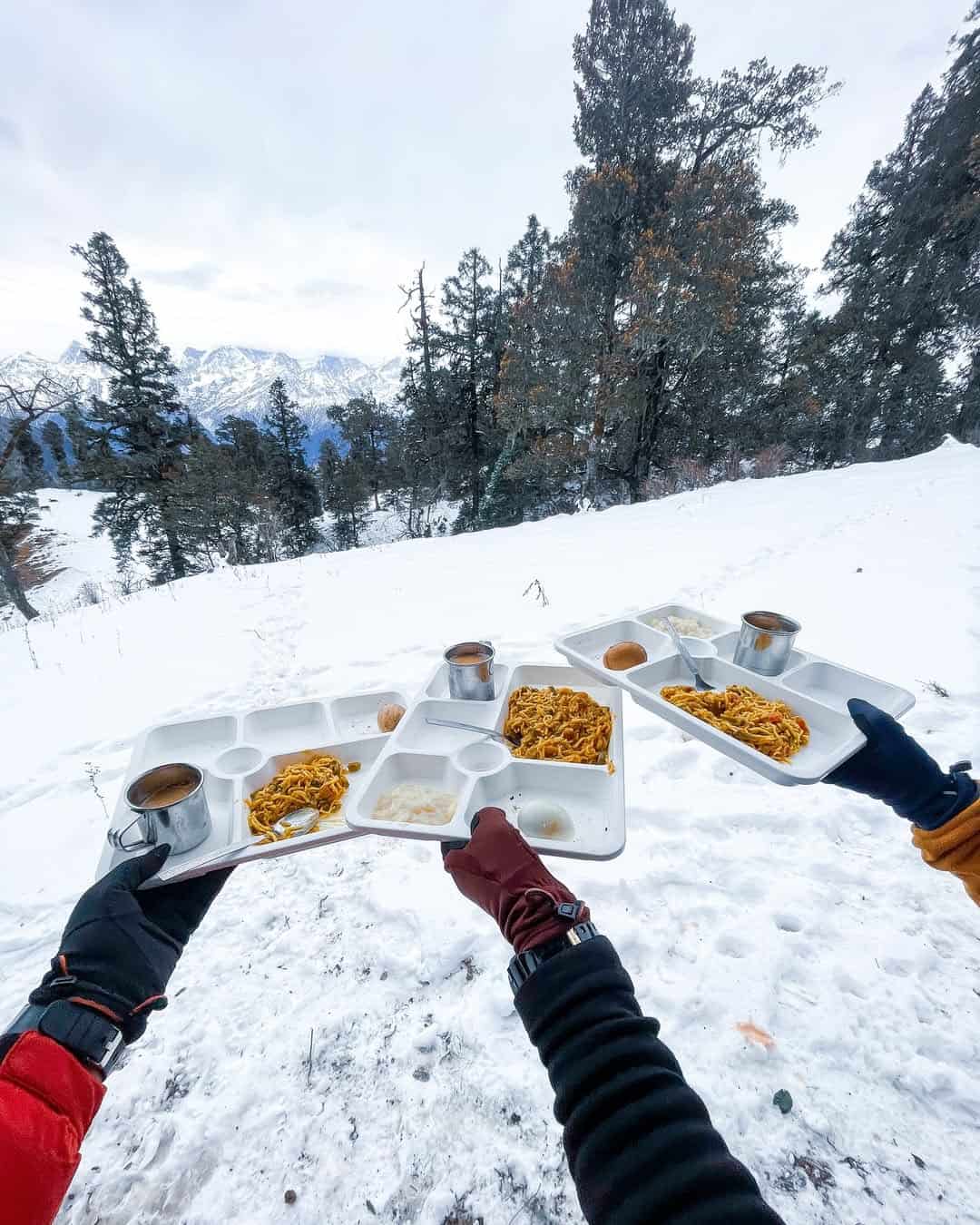
We provide only Indian vegetarian food, and your meal will mainly consist of Indian bread, vegetables, lentils, rice, and a delicious dessert. During your trek, we will serve three meals a day, including breakfast, lunch, and dinner. You will also be served tea, snacks, and lip-smacking soup in the evening before dinner. If it is a long day of trekking, you will be given a packed snack.
After extensive research on the trekkers’ nutritional requirements, we prepare the menu. Before putting all the meals together, we also consider the altitude and the weather.
The meal we serve during the trek is perfectly balanced with calories, carbohydrates, vitamins, protein, fibre, and minerals. You need to know that all our cooks have great expertise in cooking and have undergone thorough training. So, get ready to enjoy delectable and lip-smacking dishes during your trek. You will be served with lemon tea in the tent to start your day with a refreshed feeling. Before leaving the campsite for trekking, you will be given a hot finger-licking breakfast like upma, Aallu Prantha, Besan Chilla, Poha, Daliya, Corn flakes, and Maggie, along with tea or coffee.
If your trek is longer, we also offer some fresh local fruits such as apples and healthy drinks like Frootie or Maaza. In the afternoon, you will be served a simple & healthy lunch, while at around 04:00 pm, you will be given tea and a light evening breakfast. After you reach your campsite at night, you will be served a hot and delightful dinner.Â
After reading this, you must have understood the food we provided on the trek; you don’t need to worry about food. Many trekkers repeatedly trek with us because of the food we provide. Thus, we will give you unforgettable experiences.
Safety During Dayara Bugyal Trek
Trekking with us for the Dayara Bugyal Trek is entirely safe because we have a team of trek leaders qualified in Wilderness first-aid and complete information about the high-altitude glitches. During the trek, we carry a full first-aid kit that contains all the essential medicines. Before trekking with us, you must ensure that you are medically fit for the trek; for us, your medical fitness is more important than anything else.
Right from our establishment, we at Trekup India have been continuously introducing new safety practices into Indian trekking to ensure the safety of voyagers. Trekup India introduced microspikes and made emergency bottled oxygen mandatory for all treks. Our trek leaders take your daily Pulse oximeter reading. We at Trekup India introduced the radio walkie-talkie as a safety communication device.
How can we ensure that your trek is safe with us?
We have noticed that most trek-organizing organizations do not follow these systems, but with time, they are following us; several competing companies are adopting these practices and organizing great, safe treks.
We ensure complete technical safety in the mountain. Our company has a vast team of more than 100 guides and trek leaders who serve on Himalayan treks. One of the best things about our team is that all the members are trained professionally by the Nehru Institute of Mountaineering, Indian Mountaineering Foundation Delhi, and Hanifle Center Outdoor Education Mussoorie.
Explore our New Safety Protocols
To ensure a perfect Trek, we have introduced some new safety checks to ensure excellent safety for our trekkers.Â
Our On-trek safety checks include:
- Daily oxygen saturation, along with pulse readings
- Stretchers team appointed on every trek
- Radios
- Trained mountain staff and complete safety
- Additional oxygen cylinders
- Special medical kit for high-altitude treks
- Microspikes on all types of snow treks
- Experienced Trek leaders, as well as safety
- Technical team on all snowy slopes
For Us, Your Safety Is the Top Priority
At Trekup India, you will find a team with local knowledge and fluency in English and Hindi. This helps ensure that you have a fantastic trek. Not only this, but we also pay attention to your health and safety because this is something we cannot ignore. All the team leaders involved in trekking have already undergone several professional courses in first aid, portable altitude chamber training, CPR, environmental awareness training, and advanced wilderness emergency medicine.
We also carry a complete first aid medical kit on every trek and trip we organize. Apart from the medical kit, we take a portable altitude chamber (if needed) and medical oxygen for all high-altitude treks. Our company has significant expertise in organizing all sorts of group adventure holidays for family groups, school and college groups, and friend groups. We have many travel options that suit different fitness levels and travelling styles.
Regardless of the group size, we value each and every member of our trekking groups. Our commitment to personal attention ensures that your needs and safety are always our top priority.
Who we are?
Trekup India has been a stalwart in the Adventure Tourism industry for 30 years. Since our inception, we have been dedicated to providing top-notch treks, voyages, trekking programs, and high-altitude expeditions. Our extensive experience is a testament to our commitment to your adventure and safety.
We organize treks in Uttarakhand, Kashmir, Sikkim, and Himachal while being part of the trekking community; we feature more than 75 documented Himalayan treks. In addition to other outdoor activities, our company also organizes trips for schools, colleges, and families.Â
Therefore, we maintain the quality of services offered to our valuable customers.
Must Read These Information Of Dayara Bugyal Trek
Why You Should Do Dayara Bugyal Trek?
These are the main reasons why this trek is unique among Himalayan experiences:
1) Raithal – The Perfect Start to Your Trek
The journey starts at Raithal the most beautiful Himalayan village where you’ll are staying in The Trekup India Guest House. Mt. Srikanth can be seen as a backdrop. the forest trail which leads to meadows is located right next to the village. The tranquility of the area, cool mountain air, and the possibility of spotting Himalayan birds makes it an perfect spot to begin your trek.
2) Majestic Himalayan Peaks Up Close
Dayara Bugyal gives you front-row perspectives of a few of the most famous mountain ranges of the Garhwal range. Being in the middle of and open meadows that have Bandarpoonch as well as the range of Gangotri rising above the skyline is an incredible and inspiring feeling.
3) Endless Rolling Meadows
Very few locations within the Indian Himalayas have meadows that are as expansive and beautiful as Dayara. Every ridge is a call to explore further, opening up additional meadows. The vastness and splendor make trekkers enthralled and eager to go further.
4) Forest Trails Filled With Life and Colour
The trail is a walk through lush forests comprised of maple, oak and Rhododendron. They are full of the sounds of birds and mountain views that amaze the visitor with every step. It’s an amazing moment to walk through the shade of these forests before stepping out into the open meadows that rise above.
5) Beautiful Forest Campsites
Camping sites like Gui, Chilapada, and Nayata are set in peaceful areas surrounded by thick forest. They offer the ideal combination of privacy, tranquility and stunning mountain views. Natural beauty and a peaceful environment of these camping spots are a favorite among those who hike.
Best time to do Dayara Bugyal Trek
Dayara Bugyal is one of the very few Himalayan treks that is able to be completed all through the season. With the exception of monsoon season (mid-July through the end of August) however, the trail is open and offers approximately 8 months of excellent trekking in the best conditions.
The thing that make this trek really special is its unique seasonal beauty. All through the year Dayara Bugyal changes through the four seasons: Winter, Spring summer, Autumn, and Summer Each one is stunning each in their own unique way.
Dayara Bugyal in Winter
Temperature:
Day: 8degC to 12degC
Night: -5degC to -10degC
The conditions for snow:
It’s the time for snow to begin to gather in December, and by the end of December the meadows and the forests are transformed into pristine with white.
Warm Layers Required:Â 5 layers
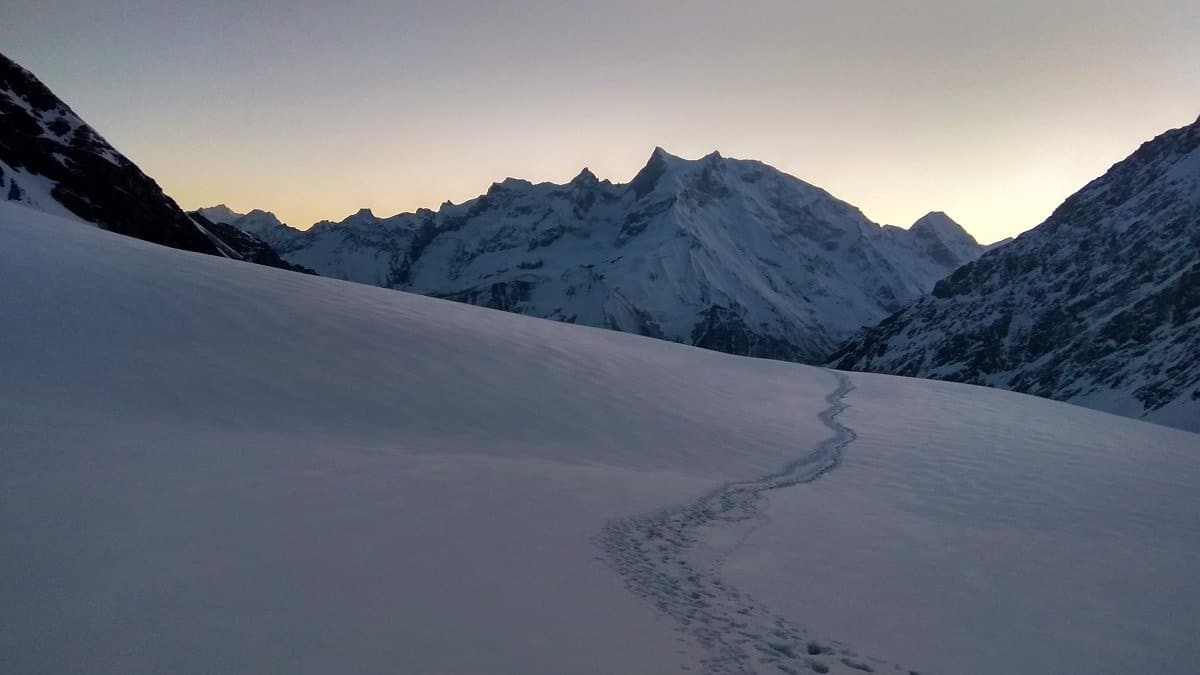
The winter months are the most beautiful season to trek up to Dayara Bugyal. The snow is covered in powdered meadows The forests appear straight from a postcard and the gentle crunch beneath your feet ensures that every step is memorable. Snow brings thrills along with adventure on the trail Snowfall is possible, If you’re fortunate.
However, there are also challenges associated with snow. A proper winter outfit as well as physical and mental preparation is essential.
Dayara Bugyal in Spring
Temperature:
Day: 13degC to 17degC
Night: Around 0degC
Winter Conditions:
It remains snowy at the higher elevations through mid-April. Lower meadows begin to turn green.
Warm Layers Required:Â 3-4 layers
The spring season brings the greatest of both worlds. Fresh grass is revealed in the melting patches as the higher bugyals remain submerged in snow. Rhododendrons flower all over the forest as small wildflowers pop up in surprising places. The contrast between white snow with the green meadows and pink flowers make spring one of the most vivid moments to go on a trek.
Dayara Bugyal in Summer
Temperature:
Day: 18degC to 20degC
Night: Around 5degC
The Snow Situation:
The snow melts completely by the beginning of summer.
Warm Layers Required:Â 3 layers
The season of summer is the best season to go on this Dayara Bugyal trek. The greenery is lush and vibrant in the warm sun. They feel clean and fragrant, particularly under the canopy of maple and oak. Although a slight cloud of haze can make it harder to see distant mountain views, but the sensation is still extremely enjoyable.
This is the perfect time for families as well as first-time trekkers and youngsters.
Dayara Bugyal in Autumn
Temperature:
Day: 12degC to 15degC
Night: Around 2degC
snow conditions:
There is no snow, and there are clear paths across the route.
Warm Layers Required:Â 4 layers
The autumn season is known for its most clear views of mountains throughout the season. The Gangotri range as well as Bandarpoonch are sharp and crisp against the deep blue sky. The meadows change to golden and the maple leaves transform into stunning reds and the whole trail is bathed in warmer autumn colors.
This is the ideal time to take pictures because every step feels as if it’s a moment worthy of capturing.
Which Season Should You Choose?
| Season | Best For | Experience |
|---|---|---|
| Winter | Fans of snow | White landscapes, exciting adventure |
| Spring | Nature & flower lovers | A mix of snow, flowers and greenery |
| Summer | Family members and youngsters | The most comfortable weather and the easiest terrain |
| Autumn | View seekers and photographers | Clear skies & golden meadows |
Final Thoughts
If you prefer the white beauty of winter, vivid colors of spring or the calming easy of summer or the breathtaking transparency of autumn the stunning beauty of autumn –Â Dayara Bugyal always delivers.
Each season gives you an new opportunity to fall the love with this amazing Himalayan trek.
Frequently Asked Questions About Dayara Bugyal Trek
What is the duration Of the Dayara Bugyal Trek?
Trekup India offers thsi itineray in 4nights and 5 days