

A common error for newbies is to start too big, and then become overwhelmed.
If you just want to putter with a couple of flower pots, tilling and sowing the back 40 when you already work a 14-hour day will just lead to more stress!
If you’re not sure about your requirements, this article has the guidelines you need for planning and planting your first garden.
The Big Mystery
Mystery, or fascination with processes such as the evolution of nature, can draw and engage our attention in both involuntary and voluntary ways – providing us with a valuable coping tool.
In environments that promote stress, it’s easy to become self-absorbed and fixate on problems, which can lead to depression and feelings of inadequacy or diminishment.
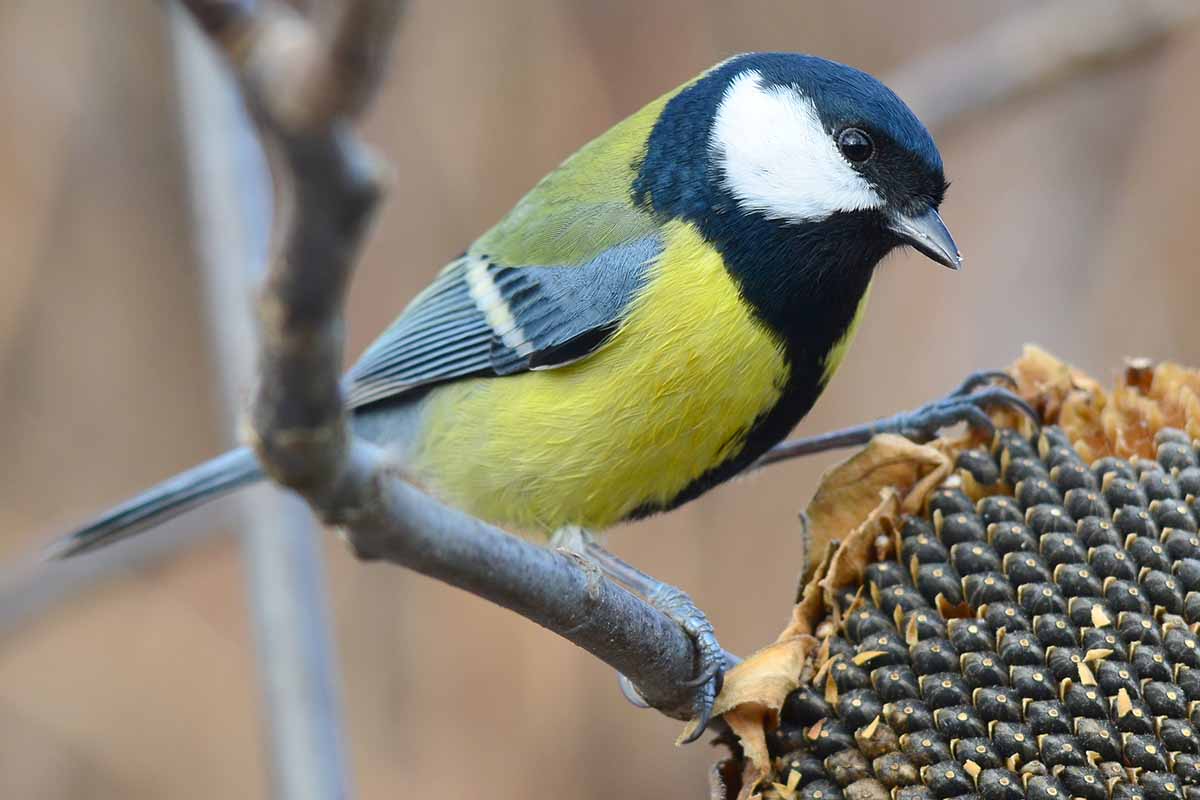
Even the simple act of viewing pictures of vegetation, or gazing from a window on a natural setting, helps to increase positive feelings and decrease stressful emotions!
When we engage with the garden, it holds our attention, which helps to assuage feelings of anger, fear, and sadness, and promote a healthier physiology.
It does this by interrupting and breaking the cycle of rumination, which can reveal a refreshing “bigger picture” perspective.
One study found that this fascination aspect improved depression severity during and immediately after a 12-week study period – with significant improvement still evident three months after the study concluded.
Stop and Smell the Roses
To get the most out of the de-stressing atmosphere of your time with nature, disconnect and slow down.
Numerous areas of medical study report that multitasking makes us less efficient.
And an increasing number of studies show that the heavy use of technology, like cell phones, can lead to sleep interruption and increased levels of depression and stress.

Just for a little while, become a Luddite – leave the phone indoors, take out the earbuds, and enjoy a break from emails, texts, phone calls, social media, AI nonsense, and the web.
It’s the perfect environment to practice mindfulness. Indulge in the richness of the moment, and immerse your senses in all that’s available.
Simply pause, and become present.
The sound of wind and birdsong, the color of leaves and blossoms, fragrances, the taste of herbs, and the texture of the earth will all mindfully absorb your attention.
Tuning in to what’s before us distracts us from our problems and puts us firmly on the pollen path of appreciation.
The “pollen path” is a Navajo story about the riches of opportunity that await us when we journey through life with presence and appreciation.
This is a metaphor Joseph Campbell used often in his writings on mythology, which you can read more about in his collected works, The Inner Reaches Of Outer Space: Metaphor as Myth and as Religion.
This classic look at mythology in the space age is available on Amazon.

The Inner Reaches of Outer Space
The cares and worries of the world will still be there when you return to it, but the practice of mindfulness will let you see them in a gentler light, and with improved problem-solving skills.
There’s a wealth of information on the benefits of developing a state of mindfulness, and meta-analysis of the available data include the following:
- Reduced rumination (excessive worry over a perceived problem)
- Increased working memory capacity
- Stress reduction
- Improved ability to focus attention and suppress distracting information
- Decrease in emotional reactivity
- Increase in the ability to disengage from emotional upsets
- Improvement in relationship satisfaction
And because many tasks in the garden are rhythmic in nature, they naturally lend themselves to developing present moment awareness.

Repetitive motions such as hoeing, raking, weeding, and digging are soothing to the sympathetic nervous system (SNS), which is responsible for the “fight or flight” response.
Too much stress, and this SNS is always “on” – which, of course, makes us feel even more stressed about feeling stressed!


