

When smoking brisket, one of the biggest decisions you’ll make is whether to mop, spritz or leave it alone. Each method affects bark formation, smoke adhesion, surface temperature and overall flavor.
This guide, part of my Ultimate Brisket Guide, breaks down the differences so you can choose the best technique for your smoker and your style.
Quick Answer
Spritzing lightly cools the surface and helps smoke stick, but can slow the cook.
Mopping adds a deeper layer of flavor, moisture and color but requires opening the pit more often.
Leaving it alone gives the fastest cook and the firmest, darkest bark.
How These Methods Affect Bark & Moisture
Brisket bark develops through dehydration, heat, smoke and the Maillard reaction. Any time you add liquid, you temporarily stop browning and cool the surface, which affects the bark texture.
Here’s the breakdown:
Spritzing Brisket
A spritz is a light mist of liquid applied using a spray bottle.
What spritzing does
- Helps smoke adhere to the surface
- Cools the bark slightly, slowing cooking
- Softens bark texture (more bite-through, less crunchy)
- Adds subtle flavor if using apple juice, vinegar or broth
Best liquids to spritz brisket
- Water
- Apple cider vinegar
- Beef broth
- Worcestershire + water
- Beer
- Parkay Butter Spray
When to spritz
Spritz only after the bark has set, around 2.5 to 3 hours in, when the rub no longer wipes off.
How often
Every 45-60 minutes as needed to maintain color and moisture.
When spritzing helps most
- Hot-and-fast cooks
- Smokers that run dry (pellet grills, offsets on windy days)
- When the surface color is getting too dark too early
Mopping Brisket
Mopping uses a thicker liquid, often seasoned, applied with a mop brush.
While some regions mop ribs, pork steaks or whole hog, traditional Central Texas brisket, the style most people think of when they picture “authentic brisket,” is not mopped. Those pitmasters tend to season once, put it on the pit, and leave it completely untouched until wrap time.
What mopping does
- Adds a stronger layer of flavor
- Keeps the surface soft and moist
- Greatly slows bark formation
- Extends total cook time
Common mop ingredients
- Beef broth
- Cider vinegar
- Worcestershire
- Melted beef tallow
- Rub seasoning
- Hot sauce
When mopping helps
- When cooking traditional Eastern Texas-style brisket on offset pits
- When you want a richer, darker mahogany color
- When the bark looks dry too early
Downsides
- Opens the pit more often (heat loss)
- Makes bark softer
- Can wash off rub if applied too early
Leaving It Alone
When you just let the brisket ride fully seasoned until it’s time to wrap.
Benefits
- Fastest cooking time
- Driest surface = strongest, crunchiest bark
- Zero rub disturbance
- No heat loss from opening the smoker
When “set it and forget it” works best
- Pellet grills (consistent airflow)
- Electric smokers
- Fatty or high-grade briskets
- Any cook where you want maximum bark
Downside
If your smoker runs very dry, the bark can harden early and become leathery, but that usually indicates airflow or temperature issues, not the lack of spritz.
So Which Should You Choose?
Here’s the simple rule of thumb:
Choose spritzing if:
- You want smoke to adhere more evenly
- Your bark is setting too fast
- You prefer a softer, bite-through bark
Choose mopping if:
- You want deeper color and layered flavor
- You’re cooking on an offset
- You want a deeply flavored surface from repeated layers of mop
Leave it alone if:
- You want the firmest bark
- You’re doing a low-maintenance overnight cook
- You cook on a pellet grill or electric smoker
- You want the most consistent results
Christie’s Competition Pitmaster Take
I don’t mop brisket in competitions, but I do spritz after the bark is fully set. Too much liquid early on can wash off rub, cool the brisket and drag out the cook. For backyard brisket, “leave it alone” is almost always the easiest and most consistent choice.
Brisket Guides
This node is part of my Ultimate Brisket Guide, which breaks down every step from anatomy to trimming to cooking.
Explore more brisket fundamentals:
For a full overview:

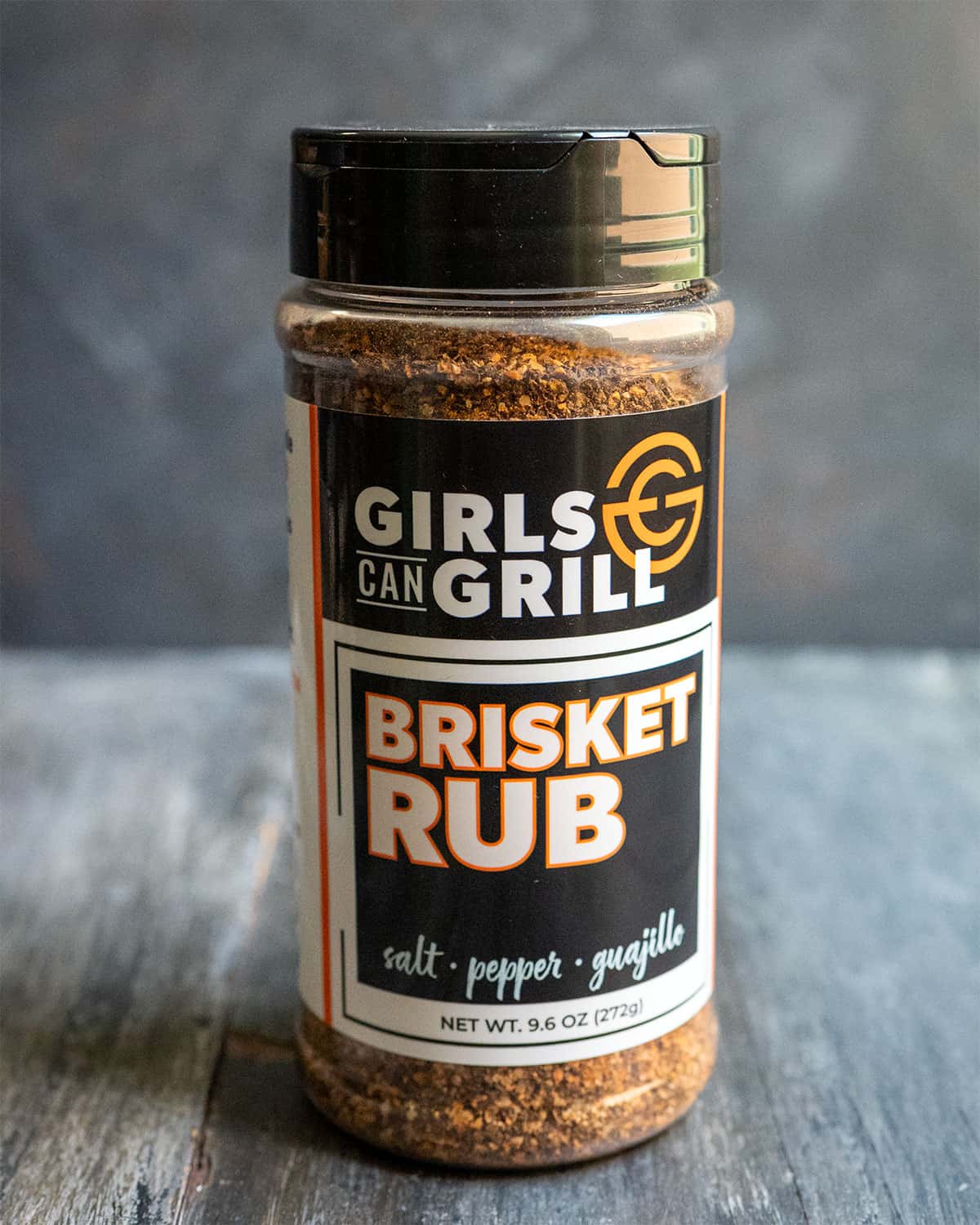
My Go-To Brisket Rub for Building Flavor and Bark
I use Girls Can Grill Brisket Rub on all of my briskets. This blend layers salt, pepper, garlic and savory spices to highlight the natural beef flavor while helping the bark develop evenly.