
Beef tallow has become a trendy brisket add-on in recent years, thanks mostly to YouTube videos promising “juiciest brisket ever.” But tallow isn’t a magic trick, and you don’t need it to make great brisket.
Used strategically, it can help manage moisture, soften bark or add richness depending on when you apply it. So when should you use beef tallow on a brisket? Only when it supports the cook, not as a shortcut.”
This guide, part of my Ultimate Brisket Guide, breaks down exactly when beef tallow helps…and when you should skip it.
What Beef Tallow Actually Does
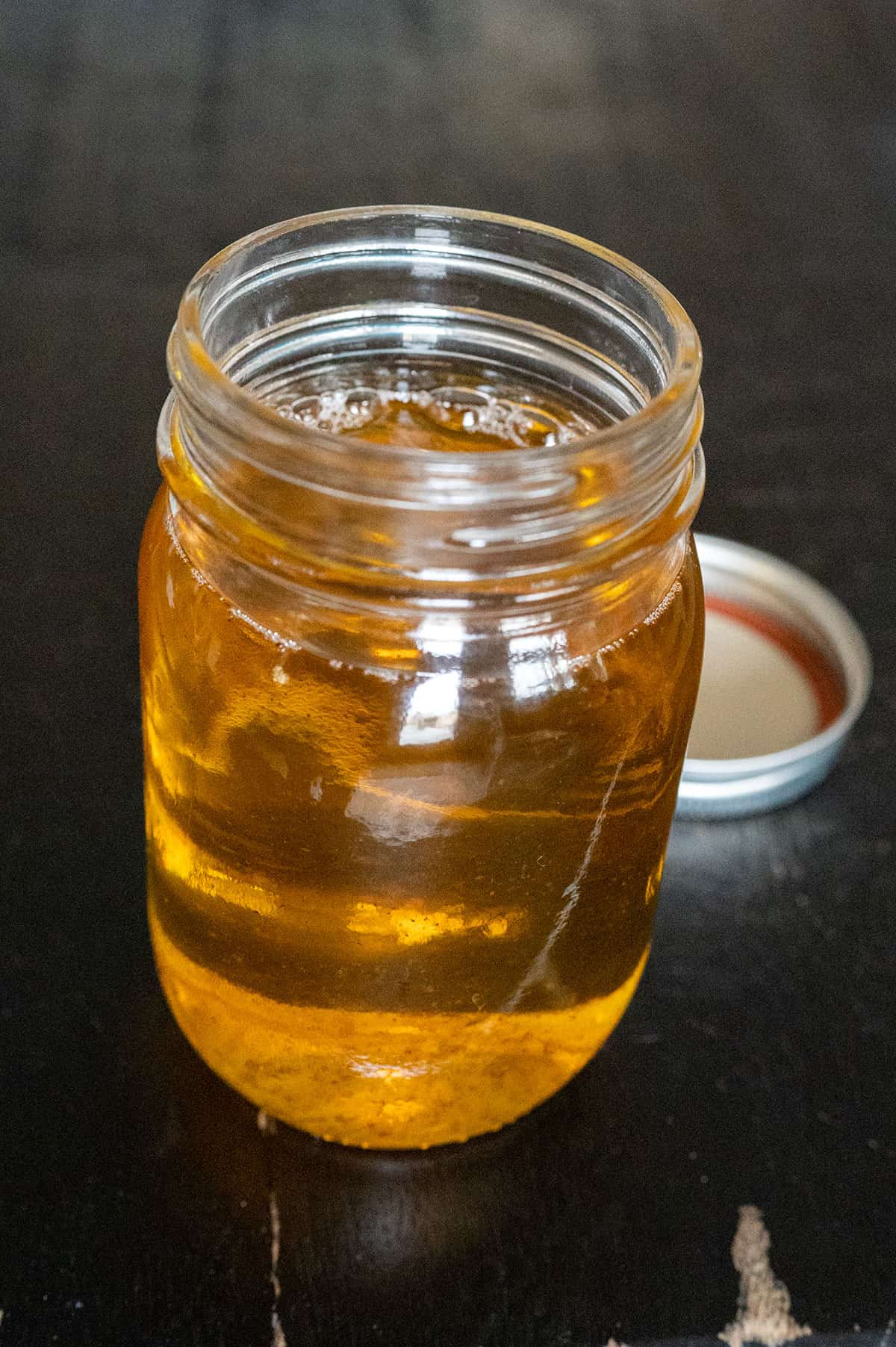
Tallow is rendered beef fat. It melts smoothly, has a high smoke point and adds a buttery beef flavor.
When used on brisket, it can:
- Add a thin layer of richness
- Protect exposed edges during long cooks
- Soften bark after the wrap
- Help rub stick if used lightly as a binder
What it won’t do is “fix” a dry brisket. Dryness comes from under-rendering or overcooking, not from the absence of tallow.”
When to Use Tallow as a Binder
A binder is simply something that helps rub stick to the surface.
Tallow works well because:
- It has a neutral beef flavor
- It melts cleanly
- It won’t create a sticky or gummy bark
Use a very thin smear or room-temperature tallow. You want just enough to make the surface shine.
For more binder info, see my guide → Do You Need a Binder for Brisket?
When to Add Tallow During the Wrap
This is the most common use.
Adding tallow when wrapping brisket in butcher paper can:
- Help soften a bark that’s getting too firm
- Add richness to lean flats
- Boost moisture in Select or Choice grade briskets
- Prevent the paper from sticking to the bark
How to use it:
- Warm the tallow until spreadable (leaving it on the counter usually works)
- Brush or drizzle a thin layer on the paper or directly on the brisket
- Wrap tightly and return the brisket to the smoker
You don’t need much. A tablespoon or two goes a long way.
If you’re cooking Prime or Wagyu, tallow is usually unnecessary because those briskets release plenty of internal fat, but I still use a touch in competitions.
Get more BBQ Tips for wrapping brisket → How to Wrap Brisket in Butcher Paper
Should You Add Tallow After the Cook?
Some pitmasters brush melted tallow over the slices after slicing.
Pros:
- Adds sheen
- Softens slightly dry pieces
- Enhances beefiness
Cons:
- Can make slices look greasy
- Masks the natural flavor of well-cooked brisket
Use sparingly if your goal is competition-style presentation or if you’re serving guests who expect classic Texas brisket.
When to Skip Tallow
Tallow isn’t needed when:
- You want a firm, dry traditional bark
- You’re cooking hot-and-fast and want bark to set quickly
- The brisket is already rich enough from rendered fat
Overusing tallow can flatten bark and make the exterior feel soft or greasy.
How to Make Your Own Tallow
If you trim your own briskets, you already have everything you need.
I have a full walkthrough here → How to Make Beef Tallow from Brisket Trimmings
Homemade tallow tastes cleaner, fresher and beefier than store-bought, and it’s a great way to use those trimmings.
Christie’s Pitmaster Take
I don’t drown brisket in tallow. But I do add a small drizzle in my wrap. Used thoughtfully, tallow is a supporting player, not the star of the show.
Brisket Guides
This node is part of my Ultimate Brisket Guide, which breaks down every step from anatomy to trimming to cooking.
Explore more brisket fundamentals:
For a full overview:

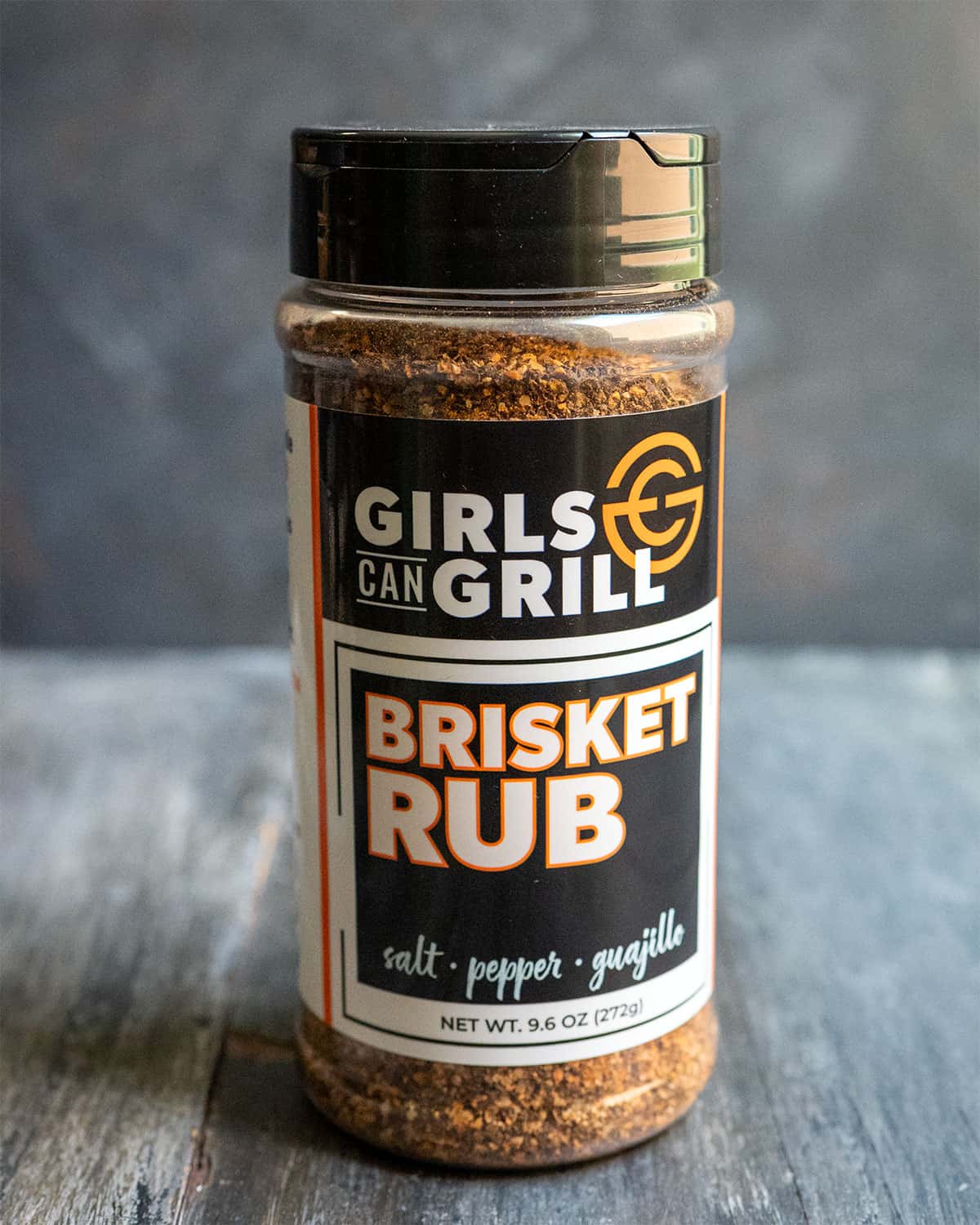
My Go-To Brisket Rub for Building Flavor and Bark
I use Girls Can Grill Brisket Rub on all of my briskets. This blend layers salt, pepper, garlic and savory spices to highlight the natural beef flavor while helping the bark develop evenly.