
Dry brisket is one of the most common issues people face when cooking this cut. If your brisket came out dry, the problem usually ties back to the grade of beef, the cooking temperature or how much moisture you added (or didn’t add) during the cook.
This guide explains what went wrong and how to prevent it next time.
See the full Brisket Troubleshooting Guide
PRO TIP: For a moist brisket every time, follow all of the steps in my no-fail brisket recipe.
What Causes a Dry Brisket?
Brisket is a tough, collagen-rich cut that needs time, fat and gentle heat to stay juicy. If the meat doesn’t have enough marbling from the start, cooks too fast or isn’t wrapped at the right stage, moisture can quickly escape.
Here are some of the key factors that can lead to a dry brisket:
You Used a Lower-Grade Brisket
Choice-grade briskets have less marbling, which means there is less internal fat to keep the meat juicy. Leaner briskets like this benefit from slower, lower cooking temperatures because the gentle heat gives the connective tissues time to break down without drying out.
You Cooked the Brisket Too Fast
I only recommend using hot-and-fast methods on highly marbled briskets like well-marbled prime grade or Wagyu. Leaner briskets lose moisture quickly when cooked at higher temperatures.
You Didn’t Add Enough Moisture During the Cook
Low-grade briskets benefit from extra help. Spritzing, wrapping and injecting add moisture and slow down surface drying. Skipping these steps can lead to a dry flat.
You Didn’t Cook It Long Enough
This surprises many people, but undercooked brisket can appear dry. When collagen hasn’t fully broken down, the fibers stay tight and push out moisture instead of absorbing it.
You Didn’t Wrap When You Should Have
Wrapping brisket, AKA the Texas Crutch, helps lock in moisture during the stall. If you waited too long to wrap, or didn’t wrap at all, the brisket may have dried out on the smoker.
You Didn’t Rest It Properly
If you sliced your brisket too soon or didn’t let it sit long enough, the moisture may have spilled onto the cutting board instead of staying in the meat.
You Live In An Arid Climate
Humidity plays a big role in how much moisture your brisket loses during the cook. In dry climates like Las Vegas where humidity often sits below 30%, the surface of the meat dries out faster. In humid regions like Mississippi, where humidity averages around 70%, the brisket naturally retains more moisture because there’s less evaporation.
You Live At a High Elevation
At higher elevations, the boiling point of water drops, which affects how moisture behaves inside the brisket. Because water evaporates more quickly at lower boiling points, the brisket can dry out faster as the internal moisture escapes earlier in the cook.
See the elevation guide → How to Barbecue at High Altitudes
How to Prevent a Dry Brisket Next Time
With the right grade of meat, proper cooking temperature and a few moisture-boosting techniques, you can keep your brisket juicy from start to finish. These steps are especially important for leaner cuts that dry out more quickly.
Use a Higher Grade for Your Cooking Method
- Choice briskets dry out the fastest, so cook them slow and low
- Prime or highly marbled wagyu can handle hot and fast
Add Moisture Along the Way
- Inject lower grade briskets
- Add a pan of water in the smoker if you live in a dry climate
- Spritz the surface after the bark is set to slow evaporation
- Wrap at the right time
- Add a mop (like broth or tallow) inside the wrap
These steps slow down moisture loss and help keep the flat tender.
Control Your Cooking Temperature
Aim for steady, predictable heat. Big temp swings can dry out the flat long before the point is done.
Cook Until the Meat Is Truly Tender
Dry brisket can also mean undercooked brisket. Make sure it probes like butter before pulling it off the heat. Use my brisket temp calculator to find the best temperature based on your altitude.
Give It a Proper Rest
Hold the brisket in a cooler or warming oven until the temp drops to around 150-160F before slicing. As the brisket cools, the internal pressure drops and the muscle fibers relax, which helps the meat hold onto its juices instead of losing them on the cutting board.
How to Fix a Brisket That’s Already Dry
Even if the brisket came out dry, you can still improve the texture and flavor with a few simple tricks. These methods help add moisture back in and make the meat much more enjoyable to eat.
- Slice it thinner
- Serve it with au jus or broth
- Reheat using steam, not dry heat
- Chop it for tacos, sandwiches or nachos
- Use it in chili, soups or casseroles
When This Problem Usually Happens
Dry brisket most often shows up when cooking lean flats, rushing the cook, skipping the wrap or slicing too soon. It’s especially common with Choice-grade briskets cooked hot and fast without moisture support.
Brisket Guides
This BBQ Tip is part of my Ultimate Brisket Guide, which breaks down every step from anatomy to trimming to cooking.
Explore more brisket fundamentals:
For a full overview:

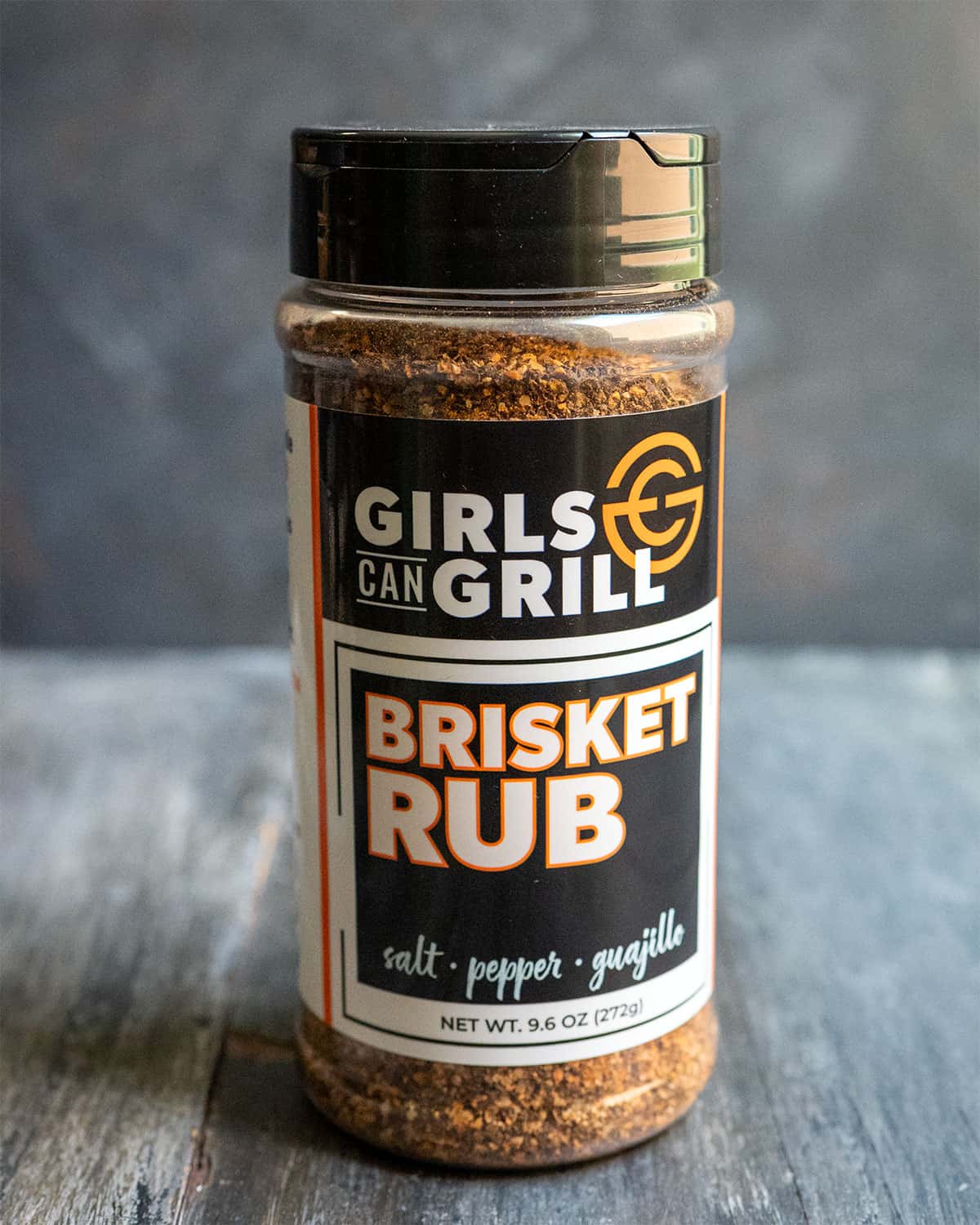
My Go-To Brisket Rub for Building Flavor and Bark
I use Girls Can Grill Brisket Rub on all of my briskets. This blend layers salt, pepper, garlic and savory spices to highlight the natural beef flavor while helping the bark develop evenly.