Choosing the Right Brisket Rub
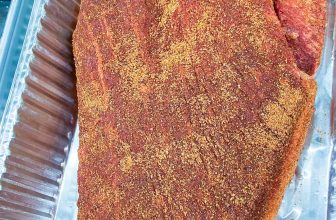
Choosing the right brisket rub is one of the biggest flavor decisions you’ll make. Some pitmasters keep it as simple as salt and pepper, others swear by SPG and competition cooks (like me) often ...
Choosing the right brisket rub is one of the biggest flavor decisions you’ll make. Some pitmasters keep it as simple as salt and pepper, others swear by SPG and competition cooks (like me) often ...
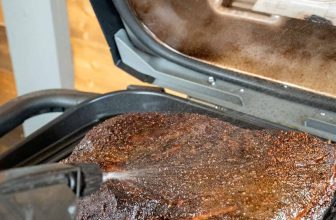
When smoking brisket, one of the biggest decisions you’ll make is whether to mop, spritz or leave it alone. Each method affects bark formation, smoke adhesion, surface temperature and overall ...
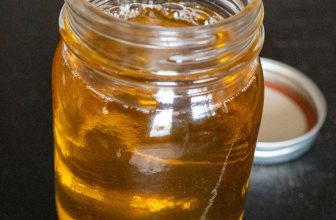
Beef tallow has become a trendy brisket add-on in recent years, thanks mostly to YouTube videos promising “juiciest brisket ever.” But tallow isn’t a magic trick, and you don’t need it to make ...

When it comes to seasoning brisket, different BBQ regions approach flavor in totally different ways. Some keep it simple. Some go sweet. Some go tangy. Understanding these regional brisket ...
When you’re smoking a brisket and the internal temperature is steadily climbing… until suddenly it isn’t… that slowdown is called the stall. Every pitmaster has met it, and every brisket goes ...
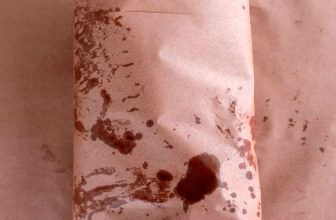
Wrapping brisket is one of the biggest turning points in the cook. Done right, it speeds up the cook and protects moisture without sacrificing bark. Wrap too early and you’ll soften the bark ...

Wrapping brisket in foil, often called the Texas Crutch, is one of the fastest ways to push through the stall and lock in moisture. It’s also the most forgiving wrapping method, which is why ...

Wrapping brisket in butcher paper is the classic Texas method for keeping bark intact while still helping the brisket push through the stall. Unlike foil, which traps steam, butcher paper ...

When you decide whether or not to wrap a brisket, you’re also deciding how long the cook will take. Wrapping brisket isn’t just about bark or moisture. Once the brisket hits the stall, ...

When people talk about perfect brisket, a big component is the bark, that dark, smoky, peppery crust that makes your brisket look and taste incredible. Wrapping, whether in foil, butcher ...

Once you wrap a brisket, the cook no longer follows a predictable timeline. Cook time after wrapping depends on temperature, meat size, fat content, climate and altitude. Wrapping speeds ...
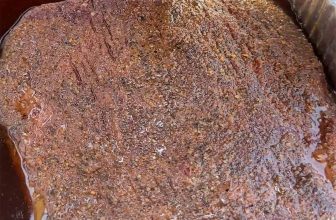
If you’re looking for alternatives to wrapping brisket, these three methods give you options depending on bark, moisture and cook time. Most pitmasters wrap brisket at some point during the ...