
With so many choices on the shelves, it’s easy to gravitate toward foods that are packaged well and promise everything from “zero fat” to “less sugar.” But here’s what most people don’t realize — the more claims a product makes, the less nutrition it often delivers.
Nutrition labels can feel like they’re written in code, and when you’re short on time or just trying to eat “better,” it’s tempting to rely on the front of the box. Knowing what to watch out for and what to focus on gives you the power to decode that label and make choices that support your health.
Front-of-Package Health Claims Often Mislead, Study Finds
A new study published in PRiMER by researchers from SUNY Upstate Medical University and affiliated institutions reveals that front-of-package (FOP) health claims on food products often fail to reflect actual nutritional quality. The findings challenge the reliability of marketing labels and offer practical guidance for physicians and consumers.1
• The study’s objective — The researchers aimed to determine whether FOP health claims reliably indicate nutritional quality. Their concern was that such claims may mislead consumers into believing unhealthy foods are healthy.2
• Methodology and analysis — A total of 597 food and beverage items listed on Walmart.com, spanning 122 subcategories across 11 major food groups, were analyzed. The team cataloged three types of FOP health claims — nutrient content, function, and FDA-authorized health claims — and assessed each product’s healthfulness using the Nutri-Score system, a European front-of-pack labeling tool also endorsed by the World Health Organization (WHO).3
Nutri-Score evaluates categories such as calories, sugar, saturated fat, sodium, fiber, and protein, and a lower score indicates a healthier product. Nutrition Facts panels were abstracted and analyzed using the Research Electronic Data Capture (REDCap) platform, and statistical modeling was performed using ordinary least squares (OLS) regression in R. The table below provides an overview of how the scoring system works:
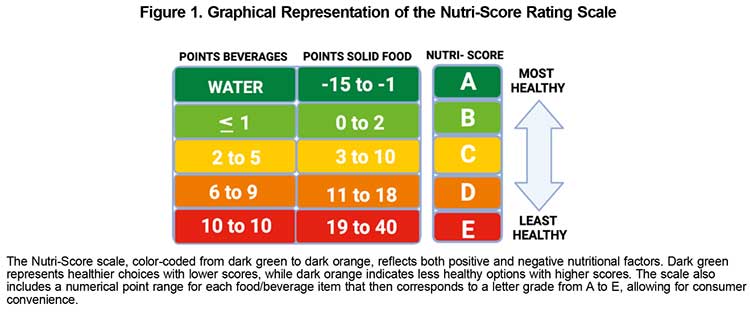
Source: PRiMER, 2025;9:41.4
• Claim frequency — Nutrient content claims were most common, appearing 1,073 times. By comparison, only 14 FDA-approved health claims and 22 general function claims were found, so the analysis focused on the much more frequent nutrient claims.5
• Key findings by food type — There was no consistent or significant correlation between the number of health claims and actual nutritional quality. In some categories, such as fruits, more claims were associated with lower Nutri-Scores, while grains and snacks or sweets showed slightly better scores with more claims.
Overall, the type of food mattered more than the number of claims. Foods with vegetables and whole grains scored better than those high in fats, oils, or sugars.
• Study conclusion and practical advice — The researchers found that FOP health claims are unreliable indicators of the nutritional content of foods. As noted in one report that covered the featured study, “The cognitive shortcut of ‘pick the package with more health badges’ is unreliable.”6
Instead, they recommend that physicians encourage their patients to prioritize whole food categories and consult the Nutrition Facts panel to assess critical nutrients, such as added sugars, sodium, and saturated fat, rather than trusting front-panel marketing.7
Why Health Claims Are Persuasive but Unreliable
Ultraprocessed foods (UPFs) dominate grocery shelves today, mainly due to their convenient nature — they’re quick, tasty, and addictive. They’re also often marketed as “healthy,” even though these foods are made from ingredients like artificial sugars, refined starches, and vegetable oils, designed for flavor and long shelf life rather than proper nourishment.
According to Northeastern University’s Network Science Institute, UPFs now make up about 73% of the U.S. food supply and provide over half of the average adult’s daily calories.8
Because UPFs are so common, their packaging is built to persuade, not inform, leaving you surrounded by claims that promise wellness but often hide the opposite.
• Health claims vs. nutrient content claims — Not all label messages are equally regulated. Health claims that link a food to reduced disease risk, such as “adequate calcium throughout life may reduce the risk of osteoporosis,” should be backed by scientific evidence. Nutrient content claims such as “low,” “free,” or “good source of,” apply only to specific nutrients, including sugar, sodium, and fat, follow different regulatory standards.9
• Common misleading label terms — Many descriptive words on the packaging are meant to catch your attention, not to give you the full picture. Even regulated terms can be confusing when taken out of context:10
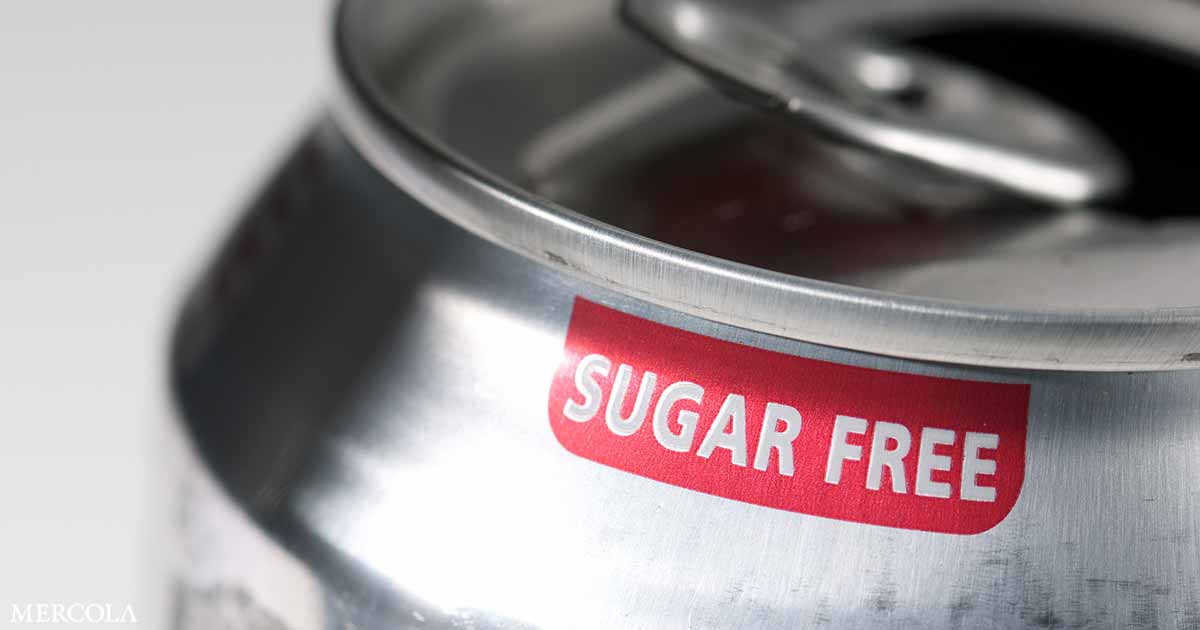
◦ Sugar-free — Means there’s less than 0.5 grams of sugar per serving, but it doesn’t mean calorie-free or healthy. Some sugar-free products use refined starches or artificial sweeteners instead.
◦ Multigrain — The product contains more than one type of grain, often refined.
◦ Enriched wheat flour — This is not made from whole wheat, but white flour with some nutrients added back.
◦ Low-fat — Foods can contain extra refined sugar or salt to make up for lost flavor.
• Health halos distort your perception — When you see labels like “immune support,” “heart healthy,” or “organic,” your brain tends to generalize — this is called the health halo effect. One positive word can make you believe the entire product is good for you, even when it’s high in sugar, salt, or vegetable oil. Food companies know this and often use these claims to shift attention away from less desirable ingredients.11
• Many adults struggle to understand food labels — A 2017 nationally representative study published in the Journal of Education and Health Promotion found that more than half of all adults have low nutrition label literacy, which is necessary for making informed food choices:12
“The findings of our survey indicate that the majority (71.9%) of the participants claimed that they do not use a shopping list and more than half of them (61.8%) indicated that their choice of specific foods was not based on nutrition information. The same trend has been observed with respect to the use of nutrition information when shopping, where only 9.3% of the consumers claimed that they utilize that knowledge when shopping.”
To learn more about how UPFs affect the brain and drive food addiction, read my article, “Older Adults Struggle With Ultraprocessed Food Addiction.”
The Basics of Reading Nutrition Labels
The Nutrition Facts label is one of the most important tools for understanding what’s really in your food. It helps you compare products and make informed choices quickly. Still, for many people, terms such as grams, percentages, and nutrients can feel like a foreign language. The following guide breaks down the basics, so you can stop guessing and feel more confident about what you’re putting on your plate.13
• Start with the serving size — All the information on a Nutrition Facts label is based on one serving, not the entire package. If you eat more than one serving, you need to multiply the calories and nutrients accordingly. Many packaged foods contain two or more servings per container.
• Understand calories per serving — Calories indicate how much energy you get from one serving of food. The FDA advises using calories as a quick way to assess whether a food fits into your daily energy needs, but not as the only measure of how healthy it is.
• Focus on % Daily Value (%DV) — The %DV shows how the amount of specific nutrients in one serving contribute to your daily diet. A %DV of 5% or less is considered low, and 20% or more is high. This helps you judge whether the food is rich or limited in a particular nutrient.14
• Identify nutrients to limit or increase — The FDA recommends limiting saturated fat, sodium, and added sugars while prioritizing fiber, calcium, iron, potassium, and vitamin D. Keeping an eye on these nutrients helps you balance your overall diet and prevent chronic disease.
Taking Your New Nutrition Label Skills Further
Once you’re familiar with the basics, you can take your label-reading skills a step further. Best-selling author and nutrition educator Jessie Inchauspé, commonly known as Glucose Goddess, offers practical ways to look beyond the numbers and spot red flags that the Nutrition Facts panel alone might not reveal.15
• Begin with the ingredient list — Ingredients are listed by weight. If sugar or refined flour appears among the first three ingredients, the product is heavily processed. Remember that less is more. A long list filled with additives or unrecognizable words usually signals poor nutritional quality.
• Check sugar placement and the carb-to-fiber ratio — Inchauspé recommends that for every 5 grams of carbohydrates, aim for at least 1 gram of fiber. This ratio helps keep blood sugar stable.
• Prioritize protein and fiber over calories — Instead of fixating on calorie count, focus on foods that provide steady energy and fullness.
Benefits of Knowing How to Read Nutrition Labels
Understanding how to read a Nutrition Facts label gives you the power to make informed decisions about what you eat. It helps you look at past marketing claims and focus on what truly matters.
• Make informed choices — Nutrition labels help you look past FOP claims like “low fat” or “no added sugar,” which can create a false sense of healthiness. By reading the full nutrition label, you can better assess the actual content and make more accurate decisions.16
• Monitor nutrient levels — Nutrition labels allow you to keep tabs on calories, fats, vitamins, and minerals, which are especially useful for managing conditions like diabetes, hypertension, or heart disease.17
• Complement your exercise routine — Nutrition label literacy helps you align your food choices with your fitness goals. Whether you’re managing calorie intake, fueling workouts, or supporting recovery, understanding what’s in your food makes it easier to maintain a balanced, active lifestyle.18
The best way to protect your health is by learning what you’re really eating. Each time you read a nutrition label, you gain knowledge that helps you make healthier choices.
It’s not about being perfect — it’s about caring enough to know more. Over time, that awareness adds real value to your life. When you practice reading labels, you invest in your health, and in the end, that habit will always be worth it.
Frequently Asked Questions (FAQs) About Nutrition Labels and Health Claims
Q: Why are front-of-package health claims misleading?
A: Because they highlight one appealing feature such as “heart healthy,” “low-fat,” or “keto-friendly” while ignoring the nutritional content and amount of processing. The PRiMER study found no consistent link between the number of health claims and actual nutrition quality; in some cases, products with more claims scored worse on the Nutri-Score system.
Q: What should I look for first when reading a Nutrition Facts label?
A: Start with the serving size. Every number on the label, including calories, sugars, sodium, and fat, refer to one serving. Many packaged foods contain two or more servings, which means you may be eating twice the calories, salt, or sugar you think you are.
Q: Which nutrients matter most when comparing foods?
A: Look for foods low in added sugars, sodium, and refined oils, but rich in fiber and protein. These nutrients work together to promote satiety, stabilize blood sugar, and support long-term metabolic health.
Q: How can I tell if a product is ultraprocessed or low quality?
A: Flip the package and scan the ingredient list. If sugar, refined flour, or hydrogenated vegetable oils appear among the first few ingredients or if the list is long and full of additives, it’s ultraprocessed. Minimally processed foods have short, recognizable ingredient lists.
Q: Are words like “gluten-free,” “vegan,” or “organic” reliable signs of healthy fare?
A: No. These phrases describe how a product is made; not how nutritious it is. “Low-fat” snacks may contain extra sugar, and “gluten-free” or “organic” items can still be high in refined carbs or sodium. Always read the full Nutrition Facts panel to verify what’s inside.