

In a year defined by rising crackdowns and shrinking freedoms, the fight to protect basic human rights has never felt more urgent.
Each December, Universal Human Rights Month reminds the world that dignity, safety, equality, and freedom are not privileges granted by governments. They are inherent rights belonging to every person. While the concept is universal, the lived reality is not. Across countries and communities, access to these rights varies dramatically, with millions facing persecution, silencing, displacement, and injustice simply for existing, expressing identity, or speaking freely where rights remain fragile or denied. This month calls on all of us to recognize those gaps and support efforts that defend dignity wherever it is threatened.
How Modern Human Rights Were Defined

The modern framework for human rights grew out of the devastation of the Second World War. In 1948, the world witnessed the creation of a global agreement that outlined the fundamental rights belonging to every person. These include the right to life, the right to free speech, the right to equal protection under the law, the right to education, the right to privacy, the right to marry, the right to own property, the right to work, and the right to make personal decisions without fear of punishment.
These rights were designed to apply equally to all people regardless of identity, nationality, or belief. Yet the promise of universality is one that nations have not fulfilled consistently.
Why Different Countries Interpret Rights Differently
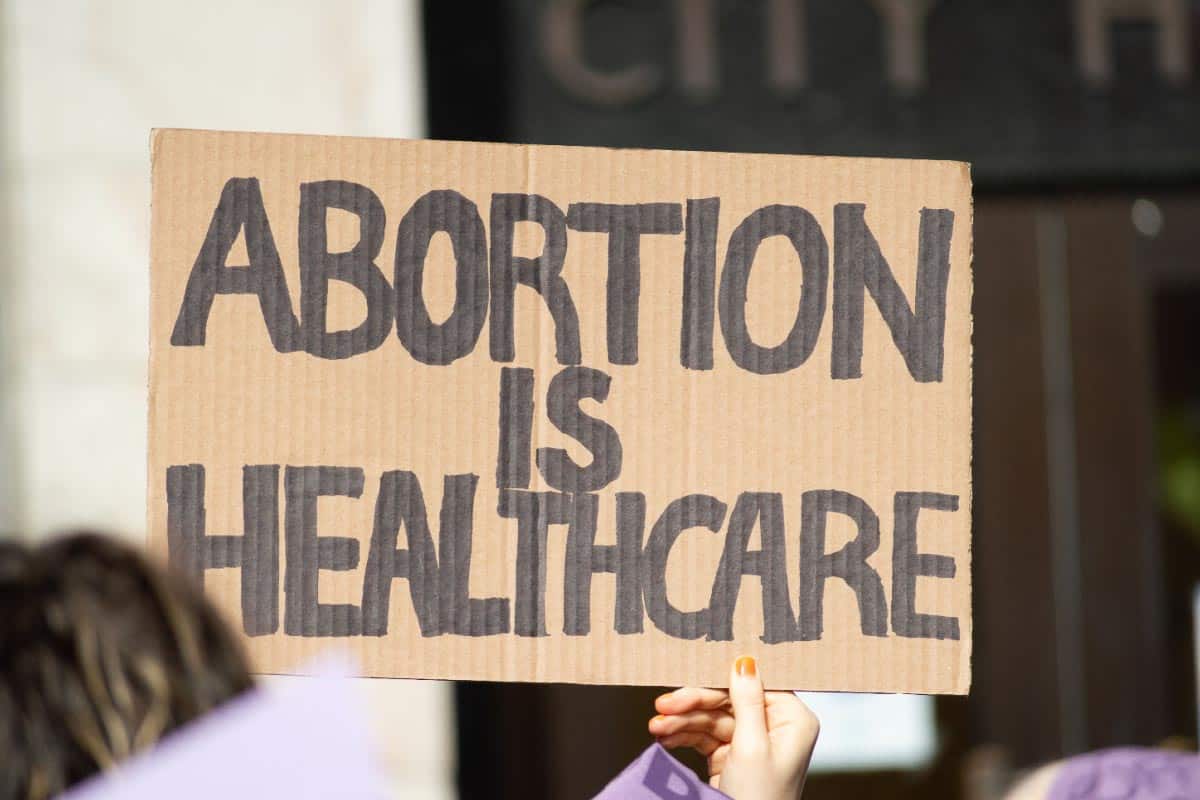
Although human rights were intended to be universal, countries interpret and enforce them in their own ways. Some nations protect the right to speak freely. Others punish citizens for criticizing the government. Some uphold reproductive freedom. Others restrict or ban it. Some push for gender equality. Others criminalize expressions of identity.
These differences shape the lived reality of human rights around the world. When governments prioritize some rights and overlook others, people experience freedom unevenly.
What Basic Human Rights Include
Human rights fall into two large categories. Civil and political rights protect speech, belief, religion, protest, and protection from government harm. Economic, social, and cultural rights involve education, healthcare, housing, work, and access to a standard of living that preserves a person’s dignity.
Countries may promote one category while neglecting the other. When that happens, individuals can survive but cannot thrive, or they may have access to basic needs but not to personal freedom.
How To Tell When Your Rights Are Being Violated
Recognizing a human rights violation is not always simple. A violation occurs when a government harms someone directly, fails to protect someone from harm, or restricts a fundamental freedom. Common signs include fear of speaking openly, unequal treatment under the law, discrimination based on identity, limited access to essential services, or state violence used to intimidate or punish.
Violations also creep in slowly through changes in law, reductions in access to public information, weakened judicial systems, and increased surveillance. Vulnerable groups feel these changes first, often long before the general population notices.
What To Do If You Believe Your Rights Are Being Crossed

If you believe your rights are being violated, the first step is to understand the legal protections available where you live. In democratic societies, pathways exist for reporting discrimination, government misconduct, or violence. Courts, civil rights organizations, and independent monitoring agencies can help.
Documentation is crucial. Keeping records, photographs, written statements, and other evidence helps support a claim and allows organizations to identify larger patterns of abuse.
In places where courts are not free and legal protections are weak, people often turn to international organizations. These groups raise awareness, document patterns of abuse, and apply global pressure. Change may be slow, but global attention remains one of the most powerful tools available.
Why Universal Human Rights Month Matters Now
Universal Human Rights Month is a call for awareness and action. Rights belong to all people, but they survive only when societies defend them. This month provides an opportunity to reflect on what rights mean, where they are under threat, and how individuals can support efforts to protect them.
15 Reasons People Push Back Against Woke Culture

Is “wokeness” a force for good or a cultural overreach? The word itself has evolved over time, beginning as a call to social awareness and morphing into a politically charged label. Today, debates about “woke culture” dominate news cycles, dinner tables, and boardroom conversations alike. What started as a movement to address injustice now prompts fierce resistance in some corners of society. Learn more.