
Recovery isn’t just about abstaining from substances it’s about reclaiming a life filled with meaning, connection, and resilience. For many individuals, sober living homes are a key part of that journey. These environments offer the stability, structure, and support people need to stay on track after rehab and build a foundation for lasting change. This article explores real success stories from people who overcame addiction and found new purpose through sober living. Their journeys are proof that healing is possible and is powerful.
What Is Sober Living?
Sober living homes are structured, drug- and alcohol-free residences that support individuals transitioning out of inpatient treatment or beginning outpatient recovery. While not treatment facilities, these homes emphasise:
– Accountability and responsibility
– Daily routines and rules (e.g., curfews, chores)
– Peer support and shared experiences
– Access to counselling, meetings, and employment resources
A landmark study published in the Journal of Psychoactive Drugs found that residents of sober living homes showed sustained improvements in sobriety, employment, and mental health even 18 months after leaving the residence (Polcin et al., 2010).
Why Personal Stories Matter in Recovery
Hearing from people who have walked the recovery path can inspire hope for those just starting out, break the stigma around addiction and relapse, normalise setbacks as part of healing and put a light on different paths to success.
Let’s take a closer look at a few inspiring voices from the sober living community.
Sarah: Finding Stability and Confidence
At 32, Sarah – a mother of two, had battled alcohol addiction for nearly a decade. After completing a 30-day residential program, she moved into a women’s sober living home in Oregon. Through consistent structure, support, and group accountability, Sarah regained confidence, found work, and reconnected with her children.
“I was scared at first, but I immediately felt accepted,” Sarah says. “Everyone had their own story, but we shared the same goal to stay clean and rebuild our lives.Sober living didn’t just keep me sober it gave me a reason to believe in myself again.”
Marcus: From Relapse to Responsibility
Marcus, 26, had cycled in and out of rehab for years, struggling with opioid use. But sober living gave him something other programs didn’t structure in daily life. Today, Marcus is three years sober and works as a recovery coach, mentoring young men entering sober homes.
“Rehab gave me the tools, but sober living gave me the chance to use them every day. Waking up early, working, doing chores it made me grow up. I show up now for myself and for others. That’s what recovery taught me.”
Jenna & Taylor: Recovery Through Community
Jenna and Taylor met in a co-ed sober living program with separate housing wings. Both had histories of meth addiction and homelessness. Through shared meals, house meetings, and emotional support, they found something they hadn’t felt in years: community. Today, they’re in long-term recovery and volunteer as peer mentors at the same home that helped them rebuild their lives.
“We were broken in different ways, but we bonded over wanting something better,” says Jenna. It felt like a family again,” Taylor adds.”
What Research says about sober living
Sober living homes are effective because they combine independence with structure. Key benefits include:
– Drug- and alcohol-free environment
– Peer accountability and shared goals
– Consistent routine and responsibilities
– Access to treatment referrals, job support, and community resources
A study in Addiction Research and Theory found that sober living residents with access to peer support and recovery resources experienced higher abstinence rates and improved social outcomes (Jason et al., 2006).
Another survey by the National Alliance for Recovery Residences (2020) reported that 68% of individuals remained sober six months after leaving a sober home.
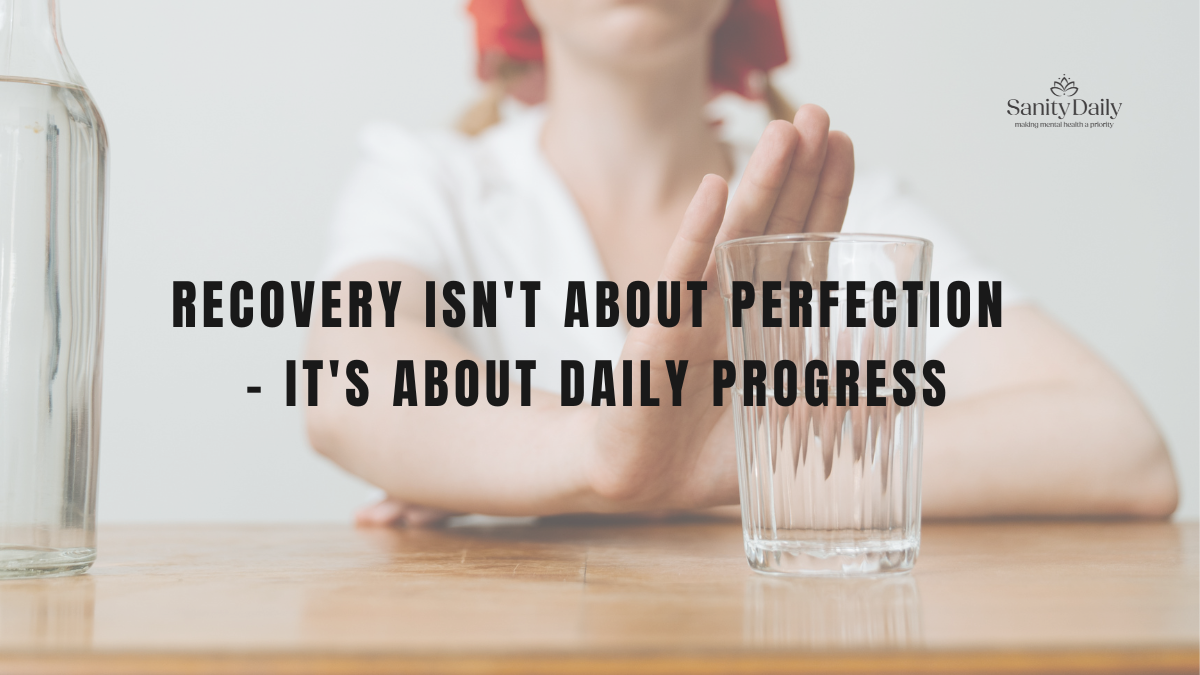
Recovery Isn’t About Perfection – It’s About Progress
One common thread in all these stories is that recovery isn’t a straight line. There are setbacks, tough days, and moments of doubt. But with the right environment, support, and accountability, people can and do rebuild their lives.
“You don’t have to be perfect,” Marcus says. “You just have to keep showing up.”
Your Story Could Be Next
The journeys of Sarah, Marcus, Jenna, and Taylor remind us that sober living works not just in theory, but in real life. These aren’t abstract success stories they’re real people who found their strength and purpose through structure, community, and support. If you or someone you love is considering sober living, take that step. Healing is possible. You don’t have to do it alone and one day, your story could inspire someone else.
References
- Polcin, D. L., Korcha, R., Bond, J., & Galloway, G. (2010). Sober living houses for alcohol and drug dependence: 18-month outcomes. Journal of Psychoactive Drugs, 42(1), 63–71. https://doi.org/10.1080/02791072.2010.10399784
- Jason, L. A., Davis, M. I., Ferrari, J. R., & Anderson, E. (2006). The need for substance abuse after-care: Longitudinal analysis of Oxford House. Addiction Research and Theory, 15(2), 143–152. https://doi.org/10.1080/16066350601080397
- National Alliance for Recovery Residences.(2020). Recovery Residences Outcomes Study. https://narronline.org