


Millions of people battling stubborn weight gain may be missing the real culprit: hidden medical conditions that quietly disrupt the body’s balance.
It feels like you’re doing everything right: eating your veggies, hitting the gym, and skipping dessert, but the number on the scale keeps creeping up. It’s frustrating and can make you feel like you’ve failed, but your diet might not be the culprit. Sometimes, unexplained weight gain serves as the body’s check engine light, signaling that something else is going on beneath the surface.
Before you throw in the towel or double down on a diet that isn’t working, it’s essential to consider the bigger picture. Your body is a complex system of hormones, chemicals, and processes, and when one component is out of balance, it can disrupt the entire system. If you’ve hit a wall with weight loss, it may be time to talk to your doctor about a possible underlying medical cause.
Cushing’s Syndrome

This is a rare condition, but it’s a significant one caused by having way too much cortisol, the stress hormone, in your body for a long time. This can happen from taking certain steroid medications or, less commonly, from a tumor. High cortisol levels essentially signal to your body to enter crisis mode and store fat.
The weight gain associated with Cushing’s syndrome is very distinct, often affecting the face (sometimes referred to as a “moon face”), the upper back, and the abdomen, while the arms and legs may remain relatively thin. It’s a serious condition that requires medical diagnosis and treatment to get cortisol levels back to normal.
Hypothyroidism (Underactive Thyroid)

Think of your thyroid as the body’s engine; this small, butterfly-shaped gland in your neck controls your metabolism. When it’s underactive, or “hypo,” it doesn’t produce enough thyroid hormone, causing your entire system to slow down. This metabolic slowdown is a classic reason for sudden, stubborn weight gain, often accompanied by fatigue and a feeling of being cold.
The weight gain here is often not as dramatic as people think, but it is noticeable and very real. According to the American Thyroid Association, most of the initial gain is often just 5 to 10 pounds of excess salt and water retention. Once the condition is properly treated with medication, this fluid weight typically comes off, and your metabolism gets back on track.
Polycystic Ovary Syndrome (PCOS)

This is a very common hormonal disorder that throws a wrench into the works for many women during their childbearing years. PCOS is relatively common, affecting an estimated 6% to 13% of reproductive-aged women, and it directly impacts how the body processes insulin. This often leads to insulin resistance, meaning your body has to work harder to regulate blood sugar levels.
Due to insulin resistance, the body is more likely to store fat, particularly around the abdomen. It’s a tough situation; a National Library of Medicine study shows that between 40% and 80% of women with PCOS are also overweight or obese. Weight gain can also worsen the other symptoms of PCOS, like irregular periods and acne, creating a difficult cycle.
Prescription Medications

Sometimes, the weight gain isn’t caused by the condition itself, but by the treatment for it. It’s a frustrating trade-off, like fixing a leak only to find you’ve got water damage. Common culprits include certain antidepressants, steroids used for asthma or arthritis, and even some beta-blockers for high blood pressure.
These drugs can increase your appetite, slow your metabolism, or cause water retention. For example, an NIH research indicates that long-term use of certain antidepressants is linked to weight gain in up to 55% to 65% of patients. Never stop taking a prescribed medication on your own, but do talk to your doctor about alternatives if you suspect it’s the cause.
Insomnia And Poor Sleep

You’ve probably been there: you’re tired, cranky, and decide to go for lunch to get through the afternoon. Poor sleep does more than make you groggy; it disrupts the hormones that control hunger, ghrelin and leptin. Your “I’m hungry” hormone (ghrelin) spikes, while your “I’m full” hormone (leptin) takes a nosedive.
This hormonal hurricane makes you crave high-fat, high-sugar foods, and you’re too tired to have the willpower to fight it. One massive review of over 600,000 people found that getting less than 5 hours of sleep a night increased the odds of obesity by 55%. Your body needs rest to regulate itself, and weight is often the first thing to suffer.
Depression

The link between depression and weight gain is a complicated, two-way street that millions of Americans walk. Depression can lead to weight gain, and weight gain can lead to depression. One NIH study found that people with depression had a 58% increased risk of obesity.
The reasons are both behavioral and biological. People who are depressed may lose motivation to exercise or cook healthy meals, turning to food for comfort. Biologically, the same chemical imbalances in the brain that affect mood can also affect appetite and energy levels.
Insulin Resistance

This condition is a precursor to type 2 diabetes and is closely linked to PCOS, but it can also happen on its own. Insulin resistance means that your body’s cells have stopped responding to the hormone insulin, which is supposed to transport sugar from your blood into your cells for energy.
With nowhere else to go, your body converts that extra blood sugar into fat, primarily storing it around your belly. This visceral fat is perilous and increases your risk for heart disease and other serious health problems. It’s a silent condition until it often progresses to full-blown diabetes.
Congestive Heart Failure

This is a severe one where the weight gain isn’t fat, but fluid. When the heart isn’t pumping efficiently, blood flow to the kidneys slows down, and the body cannot eliminate sodium and water properly. This fluid builds up in the body, causing swelling (edema) in the legs, ankles, and abdomen.
This isn’t your average “my rings are tight” bloating; it’s a rapid gain of several pounds in just a few days. If you experience sudden weight gain accompanied by shortness of breath, fatigue, or a persistent cough, consult a doctor immediately.
Kidney Disease
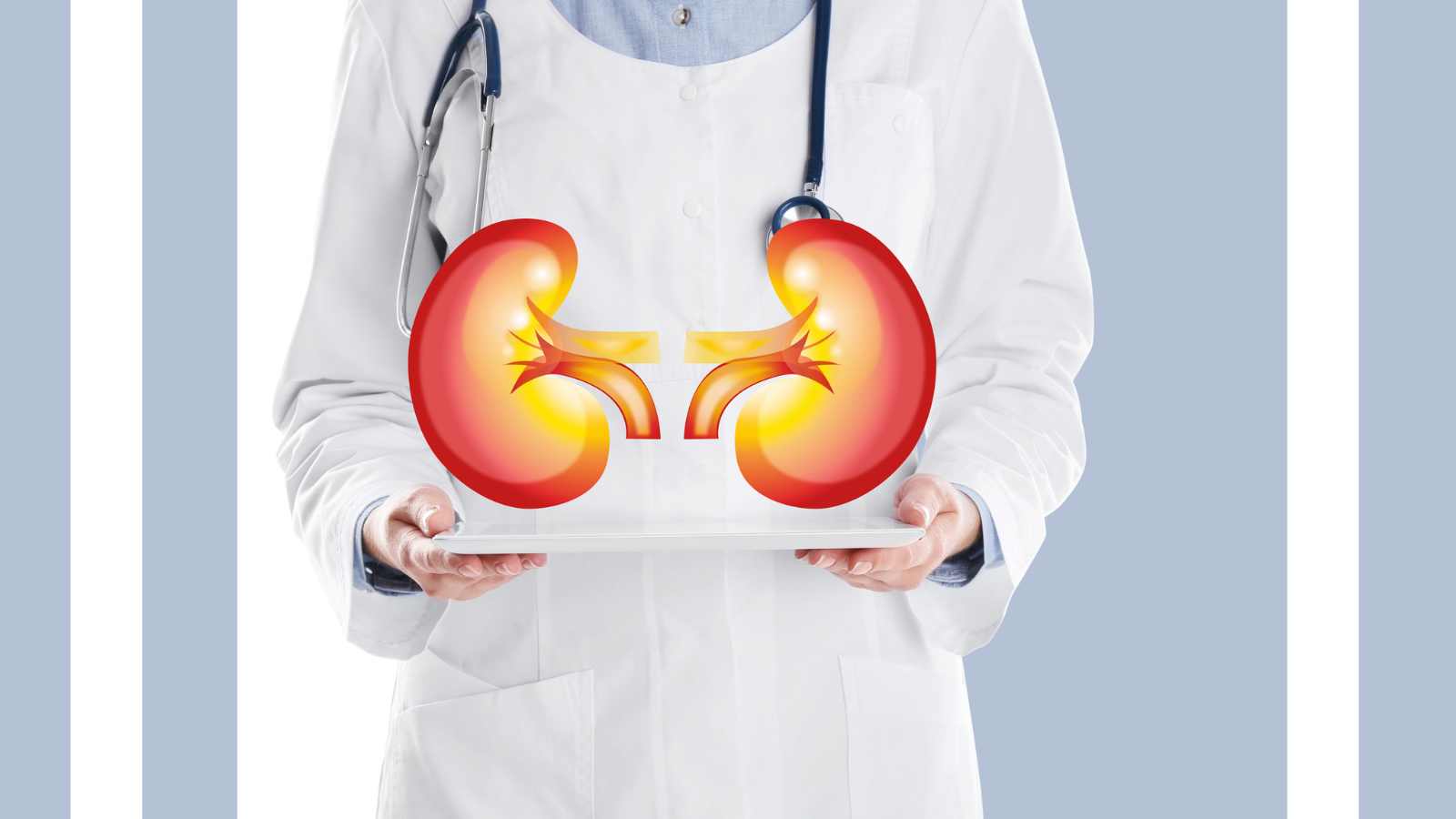
Your kidneys are your body’s filtration plant, and when they aren’t working right, they can’t remove fluid and waste effectively. Similar to heart failure, this condition leads to fluid retention, which is evident on the scale as sudden weight gain.
This condition, known as edema, is often one of the first visible signs that the kidneys are in distress. You’ll likely notice significant swelling in your feet and ankles that doesn’t go away overnight. Don’t just blame salty food; get your kidney function checked.
Menopause And Perimenopause

Ah, “the change.” It’s a biological rite of passage that can feel like a betrayal when your pants suddenly stop fitting. As women approach menopause, estrogen levels decrease, causing the body to redistribute fat storage from the hips and thighs to the abdomen.
It’s not just the hormones; metabolism naturally slows down as we age, and muscle mass tends to decrease. This combination of reduced muscle mass, a slower metabolism, and hormonal shifts makes weight loss feel almost impossible for many women.
Disclaimer – This list is solely the author’s opinion based on research and publicly available information. It is not intended to be professional advice.
Like our content? Be sure to follow us.
How Total Beginners Are Building Wealth Fast in 2025—No Experience Needed

How Total Beginners Are Building Wealth Fast in 2025
I used to think investing was something you did after you were already rich. Like, you needed $10,000 in a suit pocket and a guy named Chad at some fancy firm who knew how to “diversify your portfolio.” Meanwhile, I was just trying to figure out how to stretch $43 to payday.
But a lot has changed. And fast. In 2025, building wealth doesn’t require a finance degree—or even a lot of money. The tools are simpler. The entry points are lower. And believe it or not, total beginners are stacking wins just by starting small and staying consistent.
Click here and let’s break down how.