


Figs are a naturally sweet fruit packed with fiber, antioxidants, and beneficial plant compounds that support several aspects of health. Eaten fresh or dried, figs contribute to digestive balance, heart health, blood sugar control, and overall wellness. Their rich nutrient profile and versatility make them an easy addition to both everyday meals and healthy snacks.
According to the USDA, 100 grams of dried figs provide about 9.8 grams of fiber. This amount is nearly 40% of the recommended daily intake for adults. This high fiber content highlights why figs are particularly valued for digestive and metabolic support. Here are 10 ways figs support good health.
High in dietary fiber
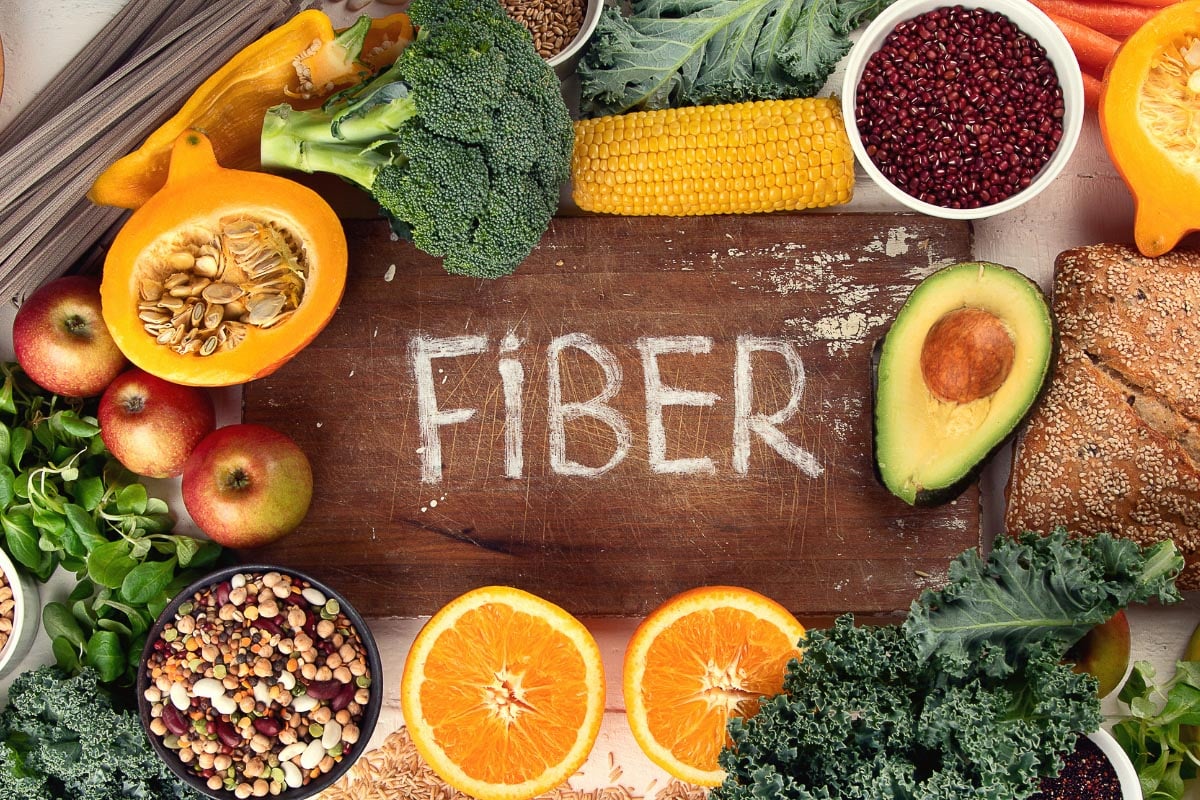
Figs provide a generous amount of fiber that supports digestive and metabolic health. One hundred grams of dried figs supply about 10 grams of fiber, which equals roughly 36% of the 28-gram daily value for adults. This blend of soluble and insoluble fiber adds bulk to stool and helps maintain regular bowel movements.
Fiber also slows carbohydrate absorption, which can help moderate blood sugar spikes after meals. A small handful of figs makes it easy to boost daily fiber intake in a convenient, naturally sweet way. Including figs in snacks or meals supports both digestive comfort and nutrient balance.
Support digestive health

Figs aid digestion through their fiber and natural prebiotic compounds that feed beneficial gut bacteria. Nutrition experts note that figs act as a natural laxative and that their prebiotic fibers promote a healthier gut environment. ResearchGate reports that fig powder contains resistant starch and soluble fibers that enhance the growth and viability of Lactobacillus strains.
A more diverse, well-nourished gut microbiota is linked with better digestion and fewer issues such as bloating or irregularity. Adding figs to a plant-rich diet supports gut balance and overall digestive comfort. Their combination of fiber and prebiotics makes them especially effective for long-term gut health.
Promote heart health

Figs promote heart health by supplying potassium, magnesium, and antioxidant compounds. A 100-gram serving of dried figs provides about 14% of the daily value for potassium and 16% for magnesium, both of which support healthy blood pressure regulation.
Potassium helps counteract sodium’s effects, and higher potassium intakes correlate with lower rates of hypertension and cardiovascular disease.
Figs also contain polyphenols that help reduce oxidative stress inside blood vessels. Replacing processed sweets with figs improves overall nutrient density and supports vascular health. Their mineral and antioxidant content make them a heart-friendly alternative to refined snacks.
Help lower cholesterol

Figs may assist with cholesterol management thanks to their soluble fiber, especially pectin. Soluble fiber binds cholesterol and bile acids in the digestive tract, helping reduce the amount reabsorbed into the bloodstream.
According to the National Library of Medicine, some human trials in people with elevated lipids found no major LDL reductions from dried figs alone. This suggests that figs may be most effective when included as part of a broader heart-healthy diet.
Even so, a half-cup of dried figs provides about 5 grams of fiber, contributing meaningfully to the 5–10 grams of soluble fiber often recommended for cholesterol support. Adding figs to meals alongside oats, legumes, and vegetables enhances this effect. Their fiber-rich profile supports long-term LDL control when paired with an overall balanced eating pattern.
Rich in antioxidants

Figs contain polyphenols and flavonoids that offer strong antioxidant protection. These compounds help neutralize free radicals and lower oxidative stress linked to chronic diseases.
According to ResearchGate, studies on dried figs report substantial antioxidant capacity and strong radical-scavenging activity across different cultivars. Including figs in a colorful mix of fruits and vegetables increases overall antioxidant intake. This diversity helps support long-term cellular health and disease prevention.
Support bone health
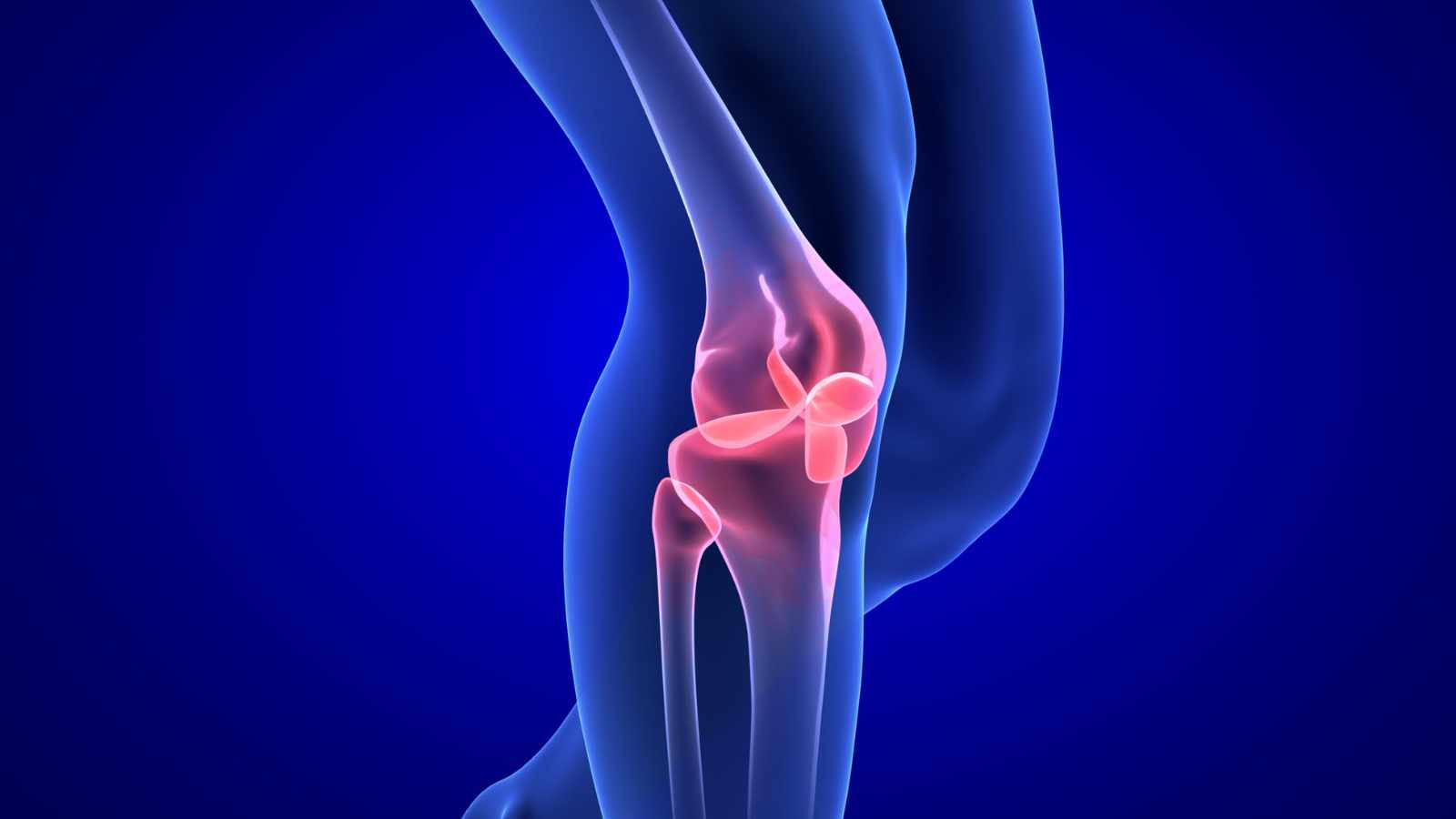
Figs support bone health by providing plant-based calcium, potassium, magnesium, and vitamin K. Just two dried figs supply around 65 mg of calcium, nearly matching the calcium found in a small orange. Potassium in figs also helps reduce calcium loss in urine and supports a stronger bone structure.
Nutrition reviews note that figs contain minerals and phytochemicals that may contribute to maintaining bone density over time. Using figs as a snack or dessert boosts intake of bone-supportive nutrients in an enjoyable way. Their mineral-rich profile makes them a helpful addition to a bone-friendly diet.
Aid in blood sugar regulation

Figs can fit into blood-sugar-conscious diets when portions are moderate and paired with protein or fat. Fresh figs are a low-GI food with a glycemic index around 35 and a glycemic load under 10, while dried figs have a moderate GI of 50–61. Their fiber content slows sugar absorption and helps smooth post-meal glucose responses.
A small handful of dried figs (3–5 pieces) provides about 5 grams of fiber, supporting steadier blood sugar levels when eaten with nuts or yogurt. People with diabetes can include figs by counting carbohydrates and choosing appropriate pairings. Balanced portions help maintain stable energy throughout the day.
Improve skin health

Figs may support skin health through their antioxidants, vitamins, and minerals. The National Library of Medicine reports that fig extracts contain anti-inflammatory and antioxidant compounds that protect skin cells from oxidative damage. Some skincare formulations now use fig extracts for potential improvements in hydration and reduced irritation.
A diet rich in antioxidant fruits, including figs, is linked with better skin appearance and lower oxidative stress. Eating figs alongside vitamin C– and vitamin A–rich foods supports collagen formation and normal cell turnover. Their nutrient profile makes them a helpful addition to a skin-supportive diet.
Support weight management

Figs can aid weight management because their fiber promotes fullness and slows digestion. A 40-gram serving of dried figs (about 100 calories) provides roughly 3–5 grams of fiber, helping reduce overall calorie intake by increasing satiety.
Using figs to satisfy sweet cravings instead of processed desserts improves nutrient quality while providing natural sweetness. Pairing them with protein foods like nuts or Greek yogurt further enhances satiety. Moderate portions help keep energy levels steady between meals.
Boost immune function

Figs support immune function by providing vitamins, minerals, and antioxidant polyphenols. Figs contain vitamin K, small amounts of vitamin C, and minerals such as potassium, magnesium, and iron. Polyphenols in figs also demonstrate anti-inflammatory and antimicrobial activity in experimental studies.
Fruit-rich diets overall are linked with lower inflammation and stronger immune resilience. Including figs in a balanced diet of fruits, vegetables, whole grains, and lean proteins helps support immunity. Moderate, regular consumption contributes to overall vitality and immune strength.
Disclosure: This article was developed with the assistance of AI and was subsequently reviewed, revised, and approved by our editorial team.
Disclaimer – This list is solely the author’s opinion based on research and publicly available information. It is not intended to be professional advice.
15 Foods From the ’60s Most Boomers Loved With a Passion

15 Foods From the ’60s Most Boomers Loved With a Passion
The 1960s were a period of profound social and cultural transformation in America. As the baby boomer generation came of age, they embraced new ideas, fashion trends, and music styles. And when it came to food, some beloved dishes defined this era.
Here are 15 foods from the ’60s that most boomers loved passionately.


