

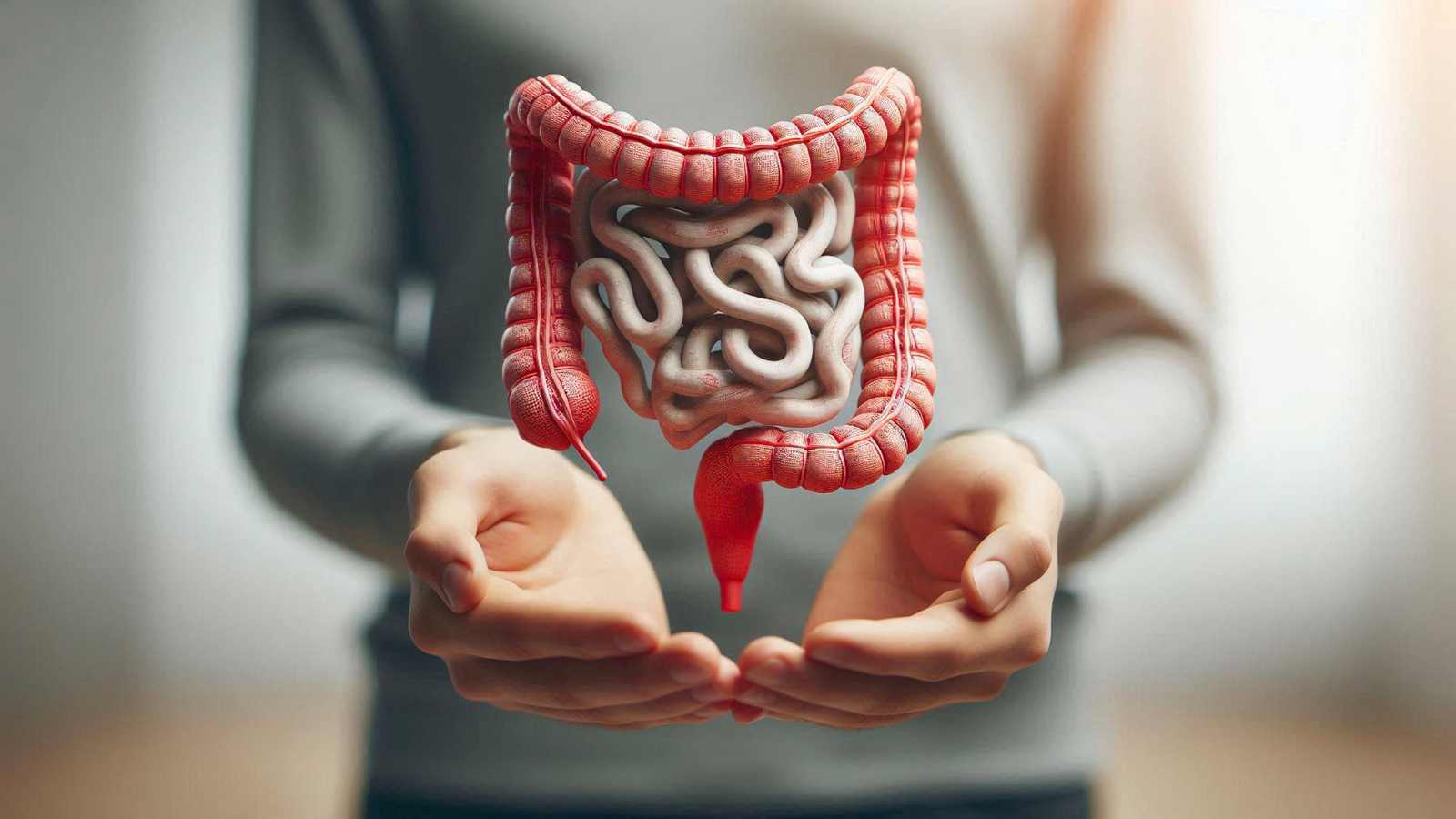
Some foods taste great going down, but wreak havoc on your gut — and a Seattle expert says these are the worst offenders.
When you hear “gut health,” it might sound like just another wellness buzzword, but the reality is much more complex. The gut is home to trillions of bacteria that affect everything from digestion to immune function, and even mental health. What you eat plays a massive role in determining whether the bacteria in your gut thrive or struggle, and certain foods can easily tip the balance toward harmful bacteria.
Chris Damman, MD, MA, a Seattle-based gastroenterologist and Chief Medical Officer at Supergut, shares that poor food choices can create an unhealthy environment for the gut microbiome, leading to a range of health issues down the line.
Let’s look at some foods that Dr. Damman says could be doing your gut harm.
Fried foods

Everyone loves a crispy snack or a side of fries, but fried foods wreak havoc on your gut. Fried food is packed with unhealthy fats that can disrupt your gut microbiome and promote inflammation. Diets high in fried foods are linked to an imbalance in gut bacteria, contributing to digestive discomfort and even chronic conditions like heart disease.
To protect your gut, consider swapping out fried foods for roasted, baked, or grilled options. Opting for healthier cooking methods can help restore balance to your gut microbiome while still satisfying your cravings for crunch.
Refined baked goods

Many people love a morning pastry or a sandwich made with white bread, but these processed baked goods can harm your gut. Dr. Damman explains that these foods often lack the fiber needed to nourish beneficial gut bacteria and are usually made with high fructose corn syrup, which further contributes to gut issues.
Studies suggest that when gut bacteria don’t get enough fiber, it can lead to inflammation and an increased risk of diseases like obesity, diabetes, and even inflammatory bowel disease.
If you’re craving something baked, Dr. Damman recommends going for whole-grain options, but only in moderation. Foods like whole-grain bread or oatmeal provide the necessary fiber that gut bacteria transform into beneficial molecules for colon health.
Also on MSN:12 foods to stop eating that spike blood sugar and cause weight gain
Processed meats

Hot dogs, bacon, and deli meats may seem like an easy meal choice, but they come with a serious downside. Dr. Damman points out that processed meats are linked to a higher risk of colon cancer, as certain chemicals in the meats turn into carcinogens during the cooking process.
A study from the University of Washington School of Medicine found that an imbalance of unhealthy gut bacteria increases the risk of colon cancer, making it essential to limit processed meat intake.
Instead of processed meats, Dr. Damman suggests opting for leaner cuts like chicken or turkey, or grass-fed beef, which contains healthier fats that support gut health. Moderation is key, as overindulgence in processed meats only feeds harmful gut bacteria and increases your risk of more serious health issues.
Sugary drinks

From sodas to fruit juices, sugary drinks are some of the worst offenders when it comes to gut damage. Dr. Damman warns that sugary beverages promote the growth of unhealthy bacteria in the gut, which can lead to diarrhea, obesity, and even diabetes.
A review in Clinical Gastroenterology and Hepatology found that high sugar intake disrupts the intestinal barrier, leading to increased gut permeability and an imbalance in gut bacteria, known as dysbiosis.
Switching to unsweetened beverages like cold water, herbal teas, or black coffee can make a big difference. If you’re looking for a sweet alternative, Dr. Damman suggests trying allulose, a sugar substitute that’s less likely to harm gut health.
Dairy products (for some people)
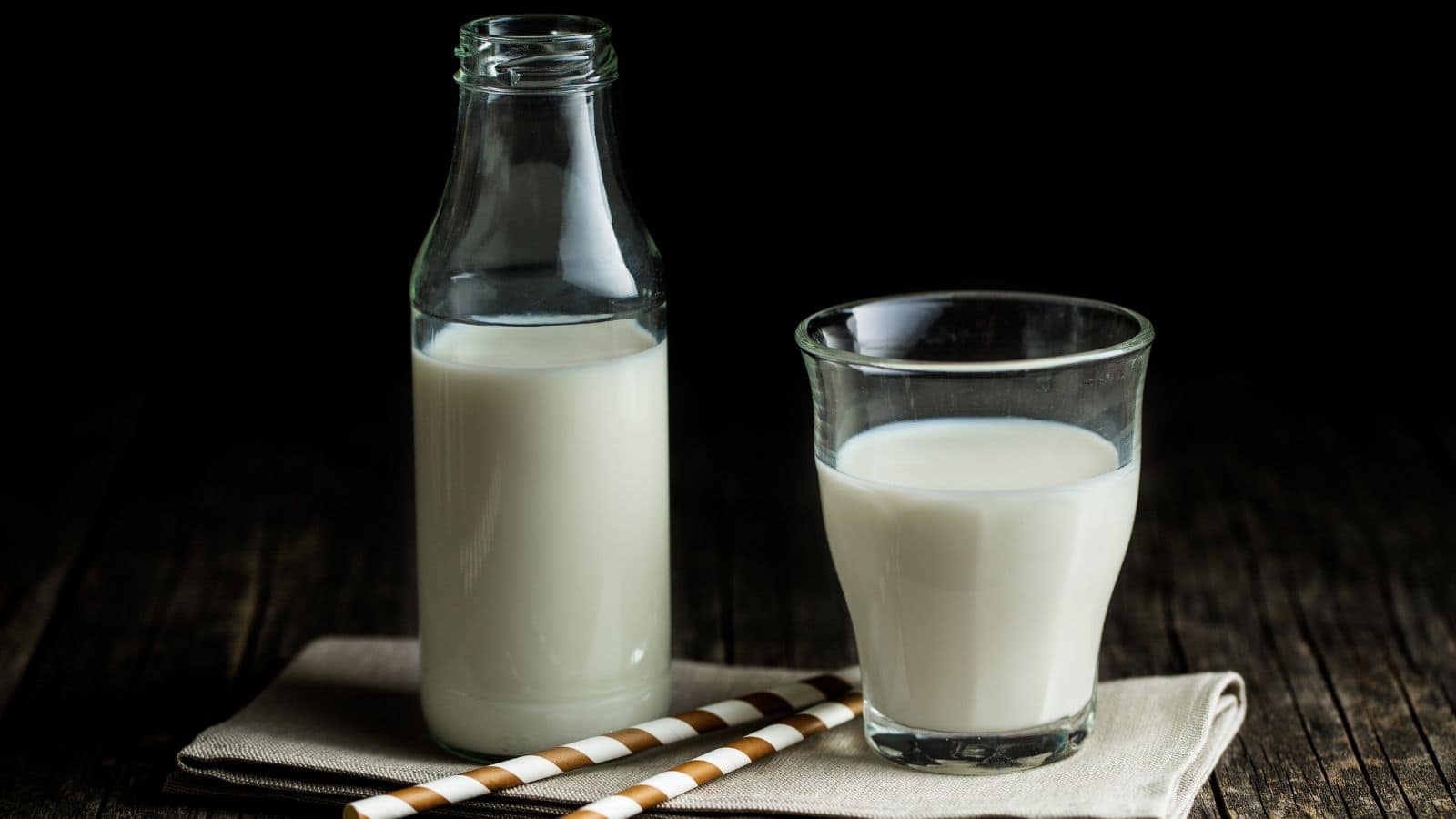
While dairy can be a great source of calcium and protein, it can be problematic for some people, especially those who are lactose intolerant. Dairy can cause digestive distress for many, leading to bloating, gas, and diarrhea. For those who are lactose intolerant, consuming dairy can upset the gut’s balance and even lead to inflammation.
For those who can tolerate dairy, sticking to fermented options like yogurt and kefir can be a better choice, as these foods promote the growth of beneficial gut bacteria. If dairy upsets your gut, consider plant-based alternatives that are gentler on digestion.
Artificial sweeteners
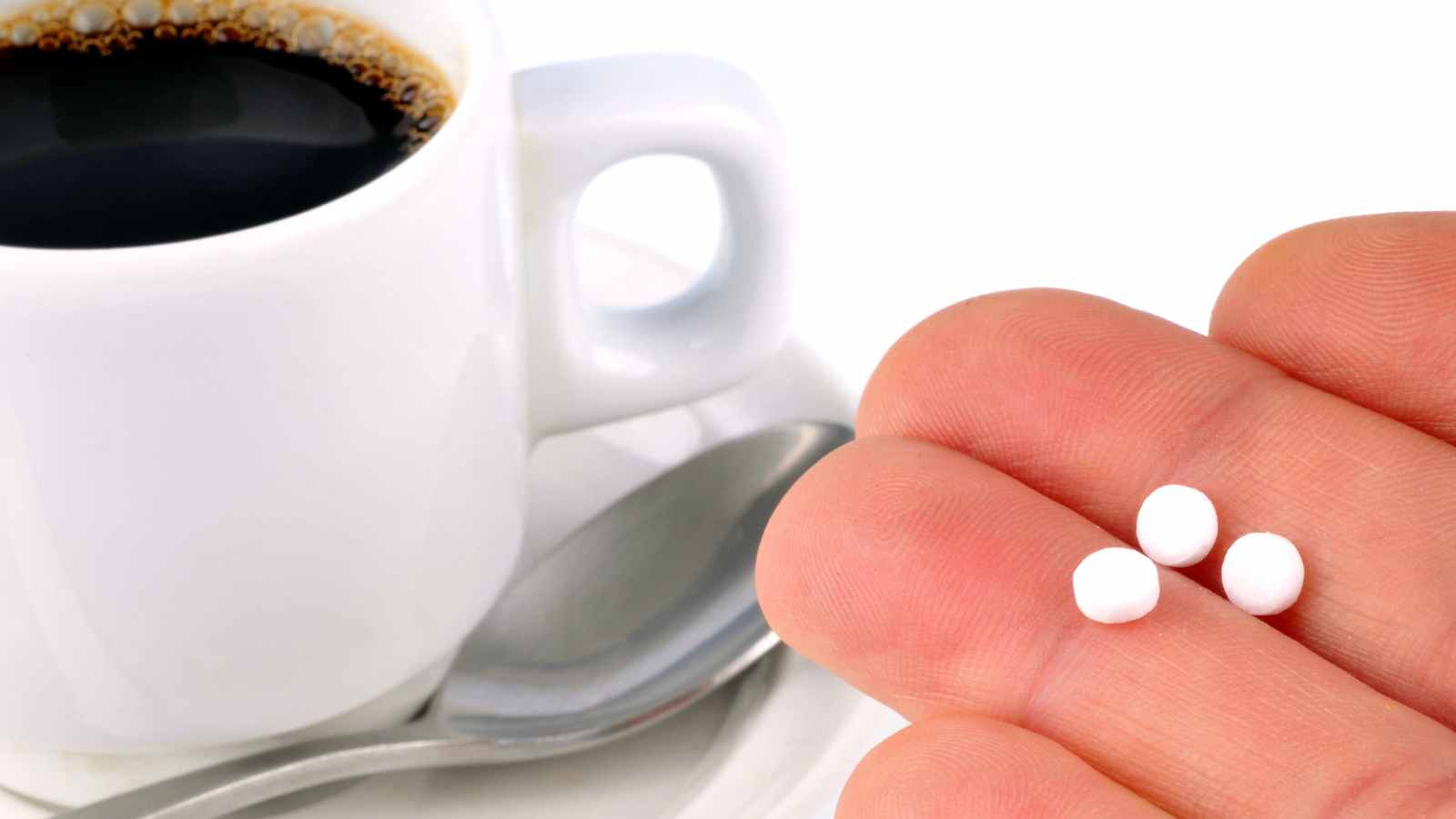
Artificial sweeteners, such as aspartame, saccharin, and sucralose, are often added to low-calorie foods and beverages. However, Doctors caution that these sweeteners can disrupt the natural balance of gut bacteria, potentially harming gut health.
A study published in Nature found that artificial sweeteners alter gut bacteria, contributing to glucose intolerance and metabolic diseases.
Opting for natural sweeteners like honey or stevia in moderation can help protect your gut. If you’re looking to sweeten your food without the health risks, these alternatives might offer a safer choice for your gut microbiome.
Red meat (excessive amounts)
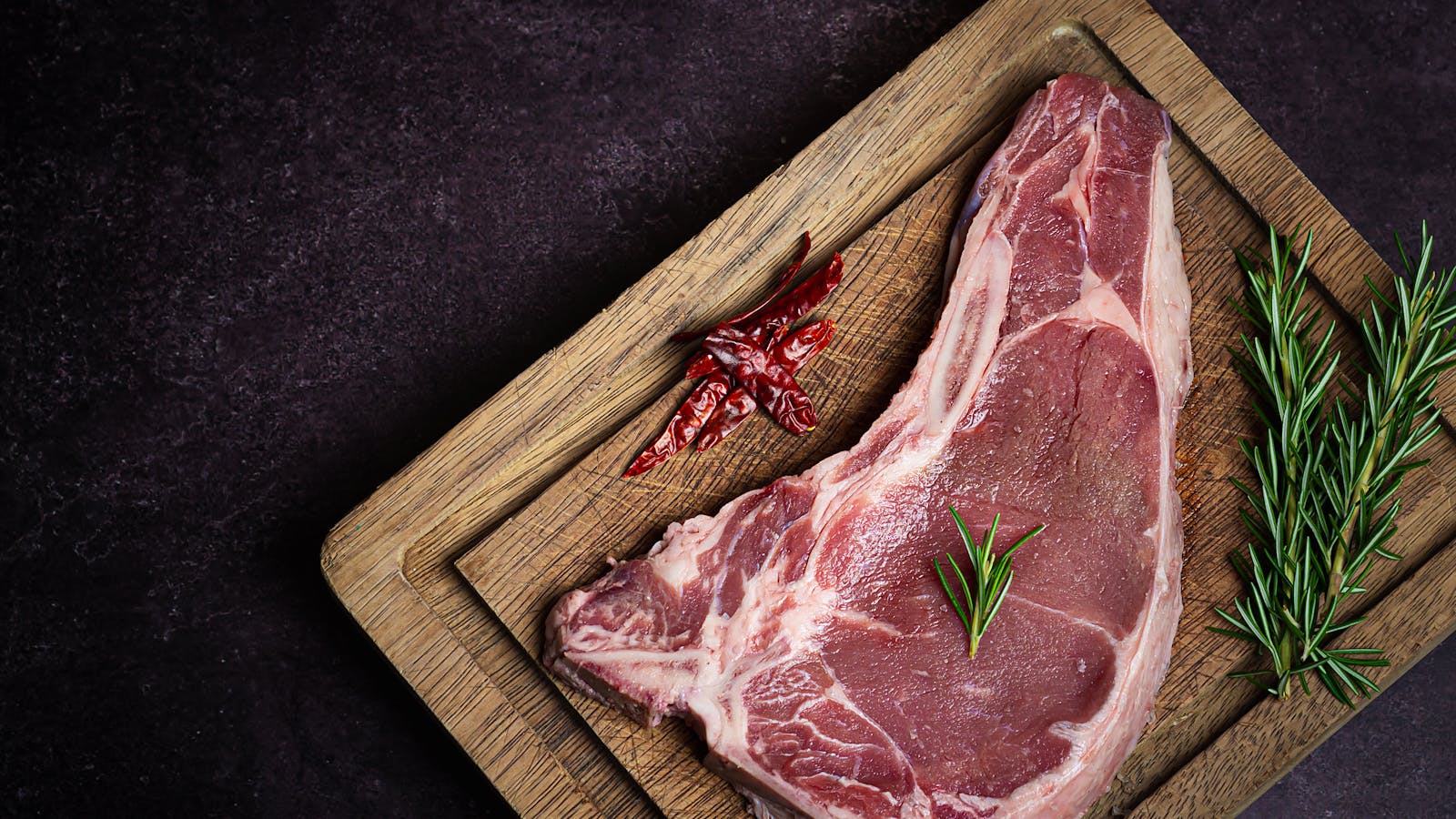
Red meat, while an excellent source of protein and iron, can also be harmful to your gut if consumed excessively. A diet high in red meat is linked to increased levels of unhealthy gut bacteria, which may contribute to digestive disorders and inflammatory conditions.
A study from BMC Cancer found that high red meat consumption was associated with an increased risk of gut inflammation and even colon cancer.
For those who enjoy meat, moderation is key—lean cuts and smaller portions can reduce the negative impact on gut health. Switching to plant-based protein sources like beans, lentils, or tofu can provide a healthier alternative that supports gut health.
Processed snacks

Chips, crackers, and packaged cookies may be convenient, but they’re often high in unhealthy fats, sodium, and artificial ingredients that can harm gut health. Processed snacks lack fiber and healthy fats, which are essential for maintaining a balanced gut microbiome.
Additionally, these snacks often contain additives and preservatives that can disrupt the gut microbiome and contribute to digestive discomfort.
Switching to whole foods like fruits, vegetables, and nuts can satisfy snack cravings while supporting your gut health. Choosing nutrient-dense, minimally processed foods helps feed your gut the fuel it needs to thrive.
Caffeinated beverages

While coffee and tea can have health benefits in moderation, excessive caffeine consumption can lead to gut issues. Experts warn that caffeine can irritate the stomach lining and exacerbate conditions like acid reflux and irritable bowel syndrome (IBS).
A study published in Gastroenterology found that high caffeine intake is linked to increased symptoms of IBS, such as bloating and cramping.
If you love your daily cup, try limiting your caffeine intake to one or two servings per day to avoid upsetting your gut. Switching to herbal teas or decaf coffee can be gentler on your digestive system while still providing a comforting beverage.
Spicy foods

Spicy foods may add flavor, but they can also lead to digestive issues for some people. Consuming too much spice can irritate the gut lining, especially in individuals with sensitive stomachs or conditions like acid reflux or ulcers. Excessive spice intake can lead to digestive tract inflammation, causing discomfort and worsening digestive health over time.
If spicy foods upset your stomach, consider dialing back on the heat and opting for milder seasonings. Gentler options like herbs and mild spices can provide flavor without the gut irritation.
High-sodium foods
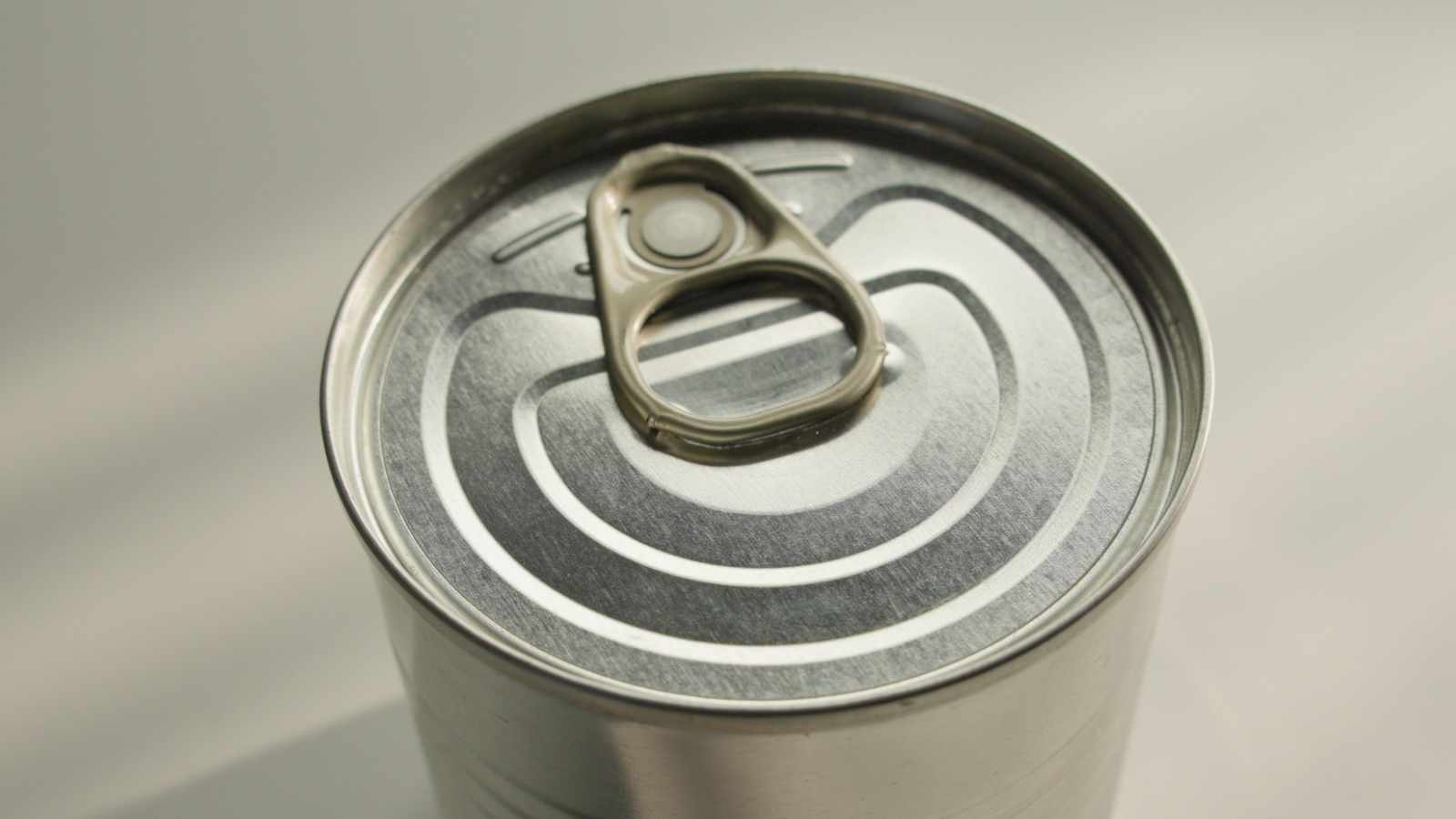
Salty foods like processed meats, canned soups, and packaged snacks can harm gut health. Excessive sodium intake can disrupt gut bacteria balance and contribute to inflammation. High sodium levels can alter gut microbiota composition, leading to a weakened immune system and increased gut permeability.
For a healthier gut, limit your sodium intake and focus on fresh, whole foods. Cooking at home with natural seasonings can help keep your sodium levels in check and support a balanced gut microbiome.
Key takeaway

Maintaining a healthy gut goes beyond simply avoiding certain foods; it’s about fostering a balanced environment for your gut bacteria. By making mindful food choices, like cutting back on processed snacks, high-FODMAP foods for some individuals, sugary drinks, and red meat, you can significantly improve your gut health.
Taking small steps, such as incorporating more fiber-rich foods, reducing artificial sweeteners, and choosing leaner protein options, can have a lasting impact on your gut microbiome. With these dietary changes, you’ll support not only your gut health but also your overall well-being.
Disclaimer: This list is solely the author’s opinion based on research and publicly available information. It is not intended to be professional advice.
Disclosure: This article was developed with the assistance of AI and was subsequently reviewed, revised, and approved by our editorial team.
10 simple habits to recharge your mind and body

10 Simple Habits to Recharge Your Mind and Body
Feeling drained doesn’t always come from significant events like a sleepless night or an intense workout — often, it’s the small daily choices that leave us running on empty. The good news is that science shows simple, consistent habits can help restore balance. From mindful breathing to nourishing foods, these practical routines recharge both mental clarity and physical stamina.
Here are 10 simple habits to recharge your mind and body, backed by research and easy enough to start today.
How coffee and adaptogens can boost sexual vitality

How Coffee and Adaptogens Can Boost Sexual Vitality
In recent years, many men in their 30s, 40s, and beyond have grown skeptical of pharmaceutical shortcuts and turned to natural or functional supplements to support vitality and sexual health. Among them, coffee and adaptogenic herbs have gained popularity as components of “biohacked” routines, as seen on 360iResearch.
The hypothesis behind combining coffee and adaptogens is that caffeine provides acute energy and vascular support, while adaptogens modulate stress responses and stabilize hormone levels over time.