



Holidays are supposed to be magical, right? Twinkling lights, warm cocoa, and the joy of giving… but somewhere along the way, capitalism sneaked in like that one cousin who always brings drama. Suddenly, it’s Black Friday chaos, endless ads, and guilt over not spending enough.
Americans typically spend about $1,000 on winter holiday shopping, and when travel and entertainment are included, the total rises to $1,638 for the season, per Capital One Shopping. Let’s take a fun, honest look at how capitalism quietly hijacked the season we’re meant to love.
Gifts became obligations

What was once about thoughtful presents has morphed into an annual spending race. According to NRF, the average consumer expects to spend $890.49 on holiday purchases, with $627.93 specifically allocated to gifts for family and friends in 2025.
Pressure to buy the “right” gift can overshadow genuine meaning. Ever felt guilty because you couldn’t afford the latest tech craze? That stress kills some of the fun and replaces joy with anxiety.
Decorating turned competitive

Before, it was modest homes; now, it’s full-blown light shows. The pressure to impress is real. A Statista survey shows that 50% of U.S. consumers plan to spend over $150 on just decorations.
Social media amplifies the competition — suddenly, your living room feels empty next to a neighbor’s 20-foot inflatable Santa. Decorating becomes more about status than spirit. It’s easy to forget that the magic is in family and warmth, not LED displays.
The rise of “experiential spending”

Capitalism encourages us to buy experiences, like elaborate shows or pricey events. While fun, it turns holidays into something you can’t enjoy without spending.
It’s easy to forget that traditions like storytelling or baking can be just as meaningful. Fun shouldn’t need a price tag.
Also on MSN: 12 Christmas myths that shaped our childhoods
Food expenses skyrocketed

Holiday meals are supposed to bring comfort, not financial panic. Even with inflation, reports show that shoppers tend to splurge in December, with 25% spending on appetizers, 42% on desserts, and 12% on non-alcoholic beverages.
Specialty foods, fancy desserts, and imported treats add up fast. Ever noticed that a simple pie can cost more than your weekly groceries? Capitalism turns what should be a cozy meal into a pricey extravaganza.
DIY stress overload

Pinterest-perfect holidays sound dreamy, but they’re exhausting. DIY gifts, homemade decorations, and themed parties can be fun — until they become chores.
Capitalism convinces us “handmade” = expensive = better. Sometimes store-bought simplicity wins both time and peace of mind.
Overconsumption and waste

Wrapping paper, packaging, and impulse buys create mountains of trash. Many gifts are returned, forgotten, or tossed.
The environmental cost is rarely highlighted in advertisements. What was supposed to be a season of giving becomes a cycle of taking and discarding.
Travel chaos and inflated prices

Visiting family can become a wallet nightmare. Airline ticket prices in the U.S. are rising faster than rent, with airfares up 4.7% year-over-year in November 2024, compared to a 4.4% increase in rental costs.
December travel costs increase more than off-season trips. It’s stressful and expensive, but we do it because we feel we “have to.” Suddenly, the journey overshadows the joy of seeing loved ones.
The extension of the season

Holidays used to be a few days; now it’s a marketing marathon starting in October. Retailers begin promotions on Halloween or even earlier.
Many shoppers start holiday shopping before Thanksgiving. The constant push to buy early blurs the line between seasons. What once was anticipation now feels like exhaustion.
Marketing guilt trips
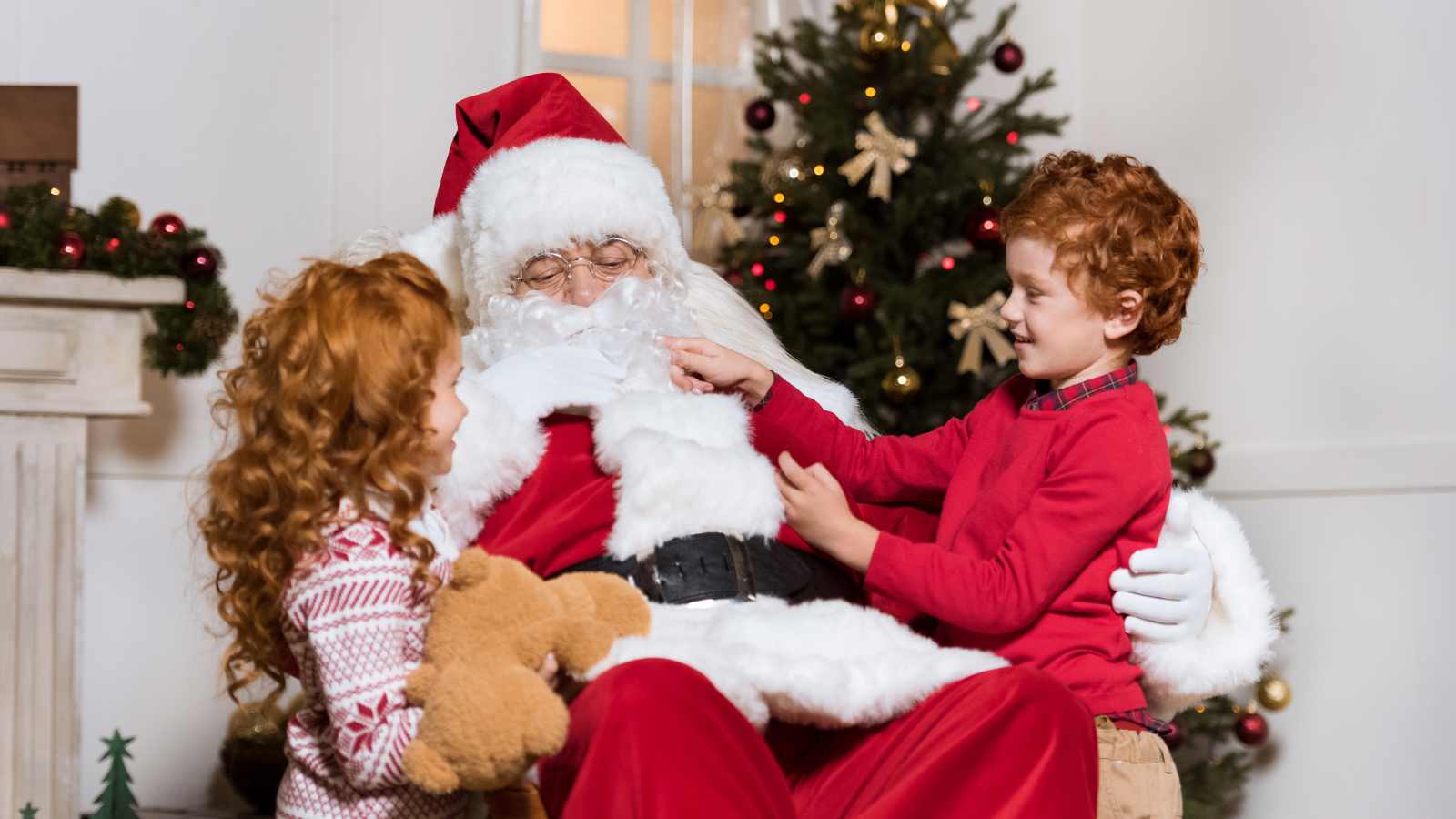
Ads play on fear, inadequacy, and family expectations. That cute kid in the commercial isn’t just cute — they’re making you feel like your holiday is lacking.
Emotional manipulation replaces festive cheer with stress. It’s hard to remember what the season is actually about.
The Black Friday frenzy

The name alone has become a warning sign. Retailers report billions in sales during Black Friday alone — $11.8 billion in 2025, CBS News reports.
People push, shove, and queue for hours for “deals” they often don’t even need. Social media makes it worse, showcasing everyone’s finds. Instead of a festive kickoff, it feels like a battlefield.
Corporate holiday cheer

Companies capitalize on every moment of the holidays. Branded merchandise, limited-edition products, and corporate parties drive spending.
Even the “magic” feels transactional. It’s hard to separate authentic joy from marketing tactics.
Pressure to entertain

The social pressure is intense, with hosting parties and buying gifts for coworkers. Hosting becomes more about impressing than connecting.
Sometimes we say yes to things we don’t enjoy just to “keep up.” Capitalism has commercialized social expectations.
Key takeaways

Capitalism has turned the holidays from a cozy, meaningful time into a whirlwind of spending, stress, and competition. Gifts, decorations, travel, and ads; nearly every aspect carries a price tag or expectation.
Recognizing these influences can help us reclaim joy and focus on what truly matters. Sometimes the best traditions are free — laughter, togetherness, and a little kindness.
Disclaimer – This list is solely the author’s opinion based on research and publicly available information. It is not intended to be professional advice.
Disclosure: This article was developed with the assistance of AI and was subsequently reviewed, revised, and approved by our editorial team.
20 Odd American Traditions That Confuse the Rest of the World
20 Odd American Traditions That Confuse the Rest of the World
It’s no surprise that cultures worldwide have their own unique customs and traditions, but some of America’s most beloved habits can seem downright strange to outsiders.
Many American traditions may seem odd or even bizarre to people from other countries. Here are twenty of the strangest American traditions that confuse the rest of the world.


