
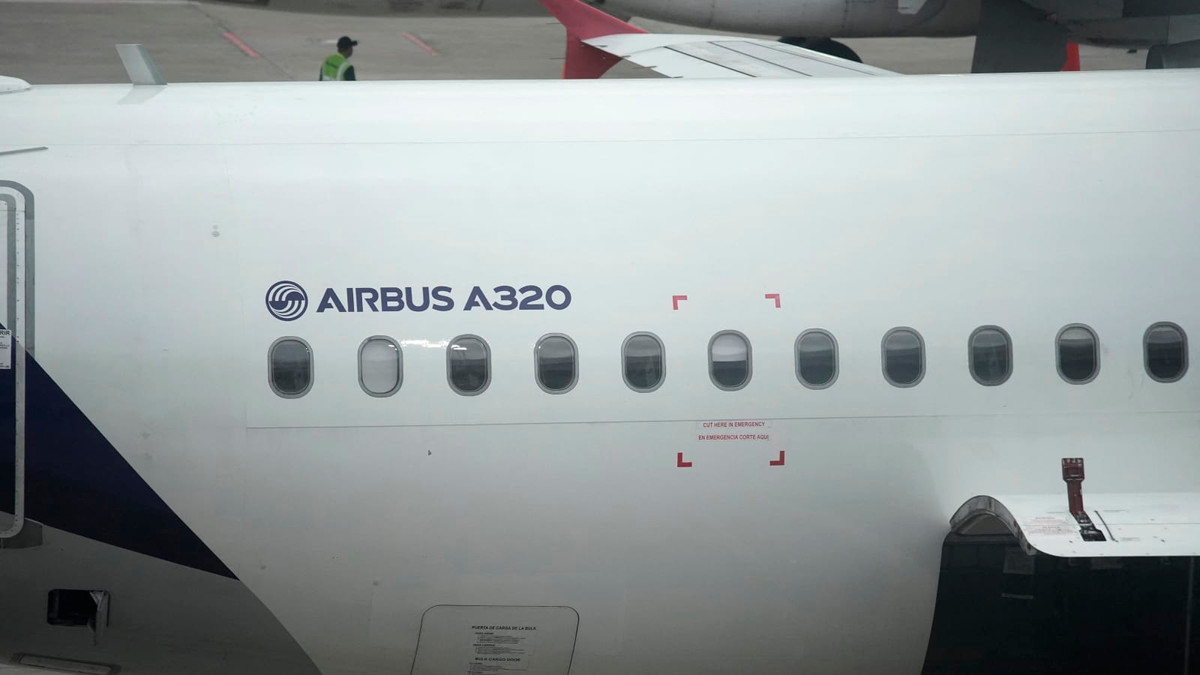
- Airbus has confirmed that the vast majority of its 6,000 A320 Family aircraft impacted by a rare avionics issue have been returned to service following urgent software updates.
- Airbus apologised for the disruption, stating: “We thank our customers, authorities, and partners for their support and understanding of our decision to put safety above all other considerations.” Airlines worldwide worked rapidly to implement the fixes, with minimal long-term disruption reported.
Thousands of Airbus A320 Family aircraft grounded last week due to a rare solar radiation interference risk are now largely back in service, following rapid deployment of software updates across global fleets.
On 28 November, Airbus issued an Alert Operators Transmission (AOT) advising immediate precautionary action for approximately 6,000 in-service A320 Family aircraft—including A318, A319, A320 and A321 models. The AOT followed an investigation into a serious in-flight incident in October, where a JetBlue Airways flight between the US and Mexico lost altitude unexpectedly due to corrupted altitude data. At least 15 people were injured during the emergency landing.
Airbus’ engineers traced the anomaly to computing software vulnerabilities, which—under intense solar radiation at high altitudes—could cause corrupted data input into aircraft systems that calculate elevation. This risk led to a precautionary grounding of aircraft while software patches were installed.
According to Airbus, most aircraft only required a software update to mitigate the risk. However, around 900 older aircraft need full flight computer replacements, and fewer than 100 aircraft globally remain affected as of the most recent update.
In a formal statement, Airbus said:
“Out of a total number of around 6,000 aircraft potentially impacted, the vast majority have now received the necessary modifications.”
“We are working with our airline customers to support the modification of less than 100 remaining aircraft to ensure they can be returned to service,” Airbus added.
Airbus extended an apology to operators, regulators and passengers:
“Airbus apologises for any challenges and delays caused to passengers and airlines by this event. The Company thanks its customers, the authorities, its employees and all relevant stakeholders involved for their support in implementing these measures, and for their understanding of Airbus’ decision to put safety above all other considerations.
Airbus provides update on deployment of A320 Family precautionary fleet measures.
Read more ➡️ https://t.co/Rh1zFxYewH— Airbus Newsroom (@AirbusPRESS) December 1, 2025
Despite the scope of the alert, most airlines acted quickly. Air France, EasyJet, Wizz Air, and Delta were among those who worked through the night to deploy the software patch. In the UK, the Civil Aviation Authority reported that flights were largely unaffected, with Heathrow, Manchester, and Luton Airports confirming no major impact. Gatwick saw some delays.
In the US, American Airlines and Delta said that the update had minimal operational impact. In Australia, Jetstar cancelled around 90 flights but resumed operations within days. Air New Zealand also temporarily grounded its A320 aircraft but has since resumed full service.
This was a rare but powerful reminder of how space weather phenomena—like solar flares or cosmic radiation—can impact aircraft avionics, especially at high cruising altitudes where shielding is more challenging.
Airbus CEO Guillaume Faury also issued a personal statement earlier, acknowledging the disruption and thanking all stakeholders for their swift response.
“We sincerely regret the disruption caused by this precautionary action, but safety must always come first. We are fully committed to supporting our operators through the final phase of modifications,” Faury said.
Statement from @Airbus CEO @GuillaumeFaury on the #A320 precautionary measures:https://t.co/U4BANyBzGf pic.twitter.com/5X9uC3Ix2d
— Airbus Newsroom (@AirbusPRESS) November 29, 2025