
Tough brisket is usually a sign that the meat didn’t cook long enough for the collagen to fully break down. Even if the brisket looks done, it may still feel tight, dry or hard to slice. This guide will help you identify what went wrong and how to fix it next time.
See the full Brisket Troubleshooting Guide
PRO TIP: For a moist brisket every time, follow all of the steps in my no-fail brisket recipe.
What Causes a Tough Brisket?
Brisket is loaded with collagen-rich connective tissue. As it cooks low and slow, that collagen eventually transforms into gelatin, giving brisket its signature tenderness. If your brisket never reaches this point, or if it cooks too fast, the fibers stay tight and chewy.
Here are the most common reasons your brisket turned out tough.
You Didn’t Cook It Long Enough
This is the #1 cause of tough brisket. Undercooked brisket often looks done externally, but the internal collagen hasn’t melted yet. Until it becomes buttery soft when probed, it’s not ready.
You Didn’t Let the Brisket Reach Probe Tender
Target temperature matters, but it can vary widely depending on altitude, grade and cooking conditions. Tenderness is the real test. If the brisket still fights the probe, the fibers are tight and the collagen hasn’t fully converted.
You Didn’t Wrap the Brisket Soon Enough
Delaying the wrap can dry out the surface, which tightens the exterior and prevents the interior from softening evenly.
You Rested It Incorrectly
Resting isn’t just about cooling down. It allows carryover cooking and fiber relaxation. If you sliced too soon, the brisket may not have softened fully.
You Used a Lean, Low-Grade Brisket
Choice and Select-grade briskets have less marbling. Without that internal fat, they take longer to tenderize and are more prone to toughness if rushed.
Your Flat Cooked Faster Than the Point
Flats are leaner and cook more quickly. If the flat finished early and you pulled the whole brisket off the smoker, the point may not have had time to fully break down.
How to Prevent a Tough Brisket Next Time
With the right temperature, timing and wrapping strategy, you can ensure your brisket cooks long enough to break down the connective tissue.
Cook Until Probe Tender, Not Just to a Number
Use temperature as a guideline, but rely on feel. When your thermometer slides in like warm butter across the flat and point, it’s done.
Read the full guide → Brisket Anatomy Explained
Be Patient During the Stall
The stall is when collagen works its magic. If you rush this stage, the brisket won’t tenderize fully.
Wrap to Protect Moisture and Support Tenderizing
Wrapping the brisket helps push it through the stall and prevents the surface from drying out and tightening.
Choose the Right Grade for Faster Tenderness
Prime and Wagyu briskets tenderize more predictably because of their marbling. Leaner grades need more time and moisture support.
Read the full guide → Brisket Grades Explained
Hold and Rest Properly
Let the brisket rest in a cooler or warming oven until the internal temperature drops to around 150-160F. As the fibers relax and internal pressure drops, the brisket becomes more tender and easier to slice.
How to Fix a Brisket That’s Already Tough
You can still save a tough brisket with the right approach.
- Slice the brisket thinner, against the grain
- Chop it for tacos, sandwiches, or burnt ends
- Place slices in broth or au jus and warm gently
- Wrap in foil with a small amount of liquid and return to low heat to soften slightly
When This Problem Usually Happens
Tough brisket most often appears when the cook is rushed, the brisket is pulled before it’s truly tender, or the stall isn’t handled correctly. It’s especially common with lean flats and low-grade briskets cooked too fast.
Brisket Guides
This BBQ Tip is part of my Ultimate Brisket Guide, which breaks down every step from anatomy to trimming to cooking.
Explore more brisket fundamentals:
For a full overview:

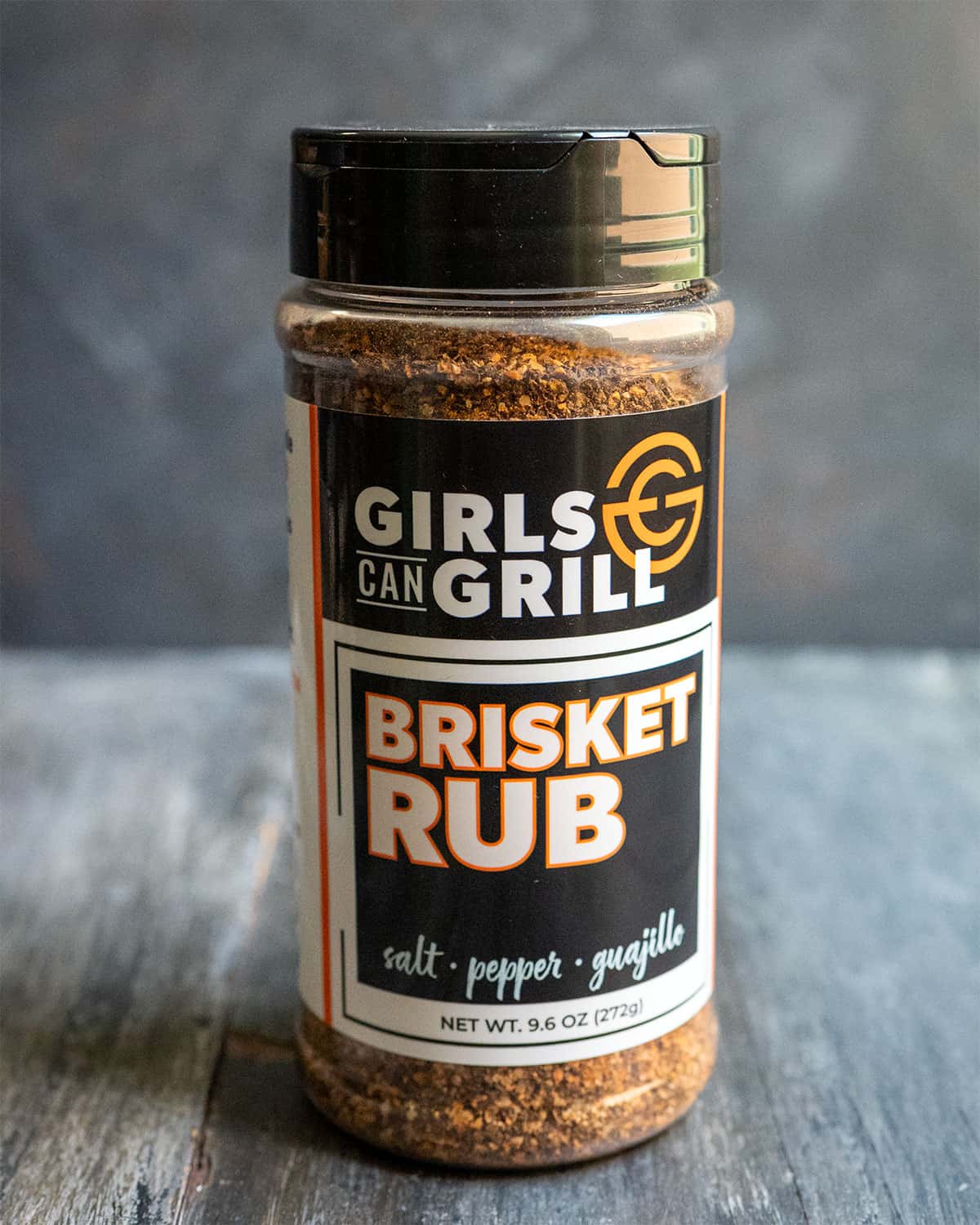
My Go-To Brisket Rub for Building Flavor and Bark
I use Girls Can Grill Brisket Rub on all of my briskets. This blend layers salt, pepper, garlic and savory spices to highlight the natural beef flavor while helping the bark develop evenly.