Protecting Rhododendron and Other Broadleaf Evergreens in Winter


The best way to winter-proof sensitive plants is more basic than you think: Water them. Experts say keeping plants hydrated through the fall is essential for setting them up for success come wintertime, especially broadleaf evergreens like rhododendron.
Last year’s winter wiped out plants across the Mid-Atlantic, a devastating blow to gardeners and nurseries alike. But it was the two-month drought in the fall that caused the harm, not winter itself. “Well-hydrated plants handle winter stress far better,” said David Brill, owner of The Farm at Green Village, a nursery in Green Village, New Jersey. “Many homeowners stopped watering too early, thinking their plants didn’t need it once the weather cooled. It was one of the worst winters for plant damage.”

The impact on broadleaf evergreens
Rhododendrons and other broadleaf evergreens got hit particularly hard. I had so much winter burn on mine that I had to cut back almost to the ground. My brokenhearted friends and I texted each other pictures of our lost beauties.

Here is why: Plants release water vapor through their leaves to regulate their temperature and move nutrients from the soil to the leaves. The bigger the leaf, the more water leaves the plant. A rhododendron leaf in winter sun can still get hot, up to 75°F. But when the ground is frozen, the plant can’t get water to cool itself. Harsh winter wind also sucks away much-needed moisture.
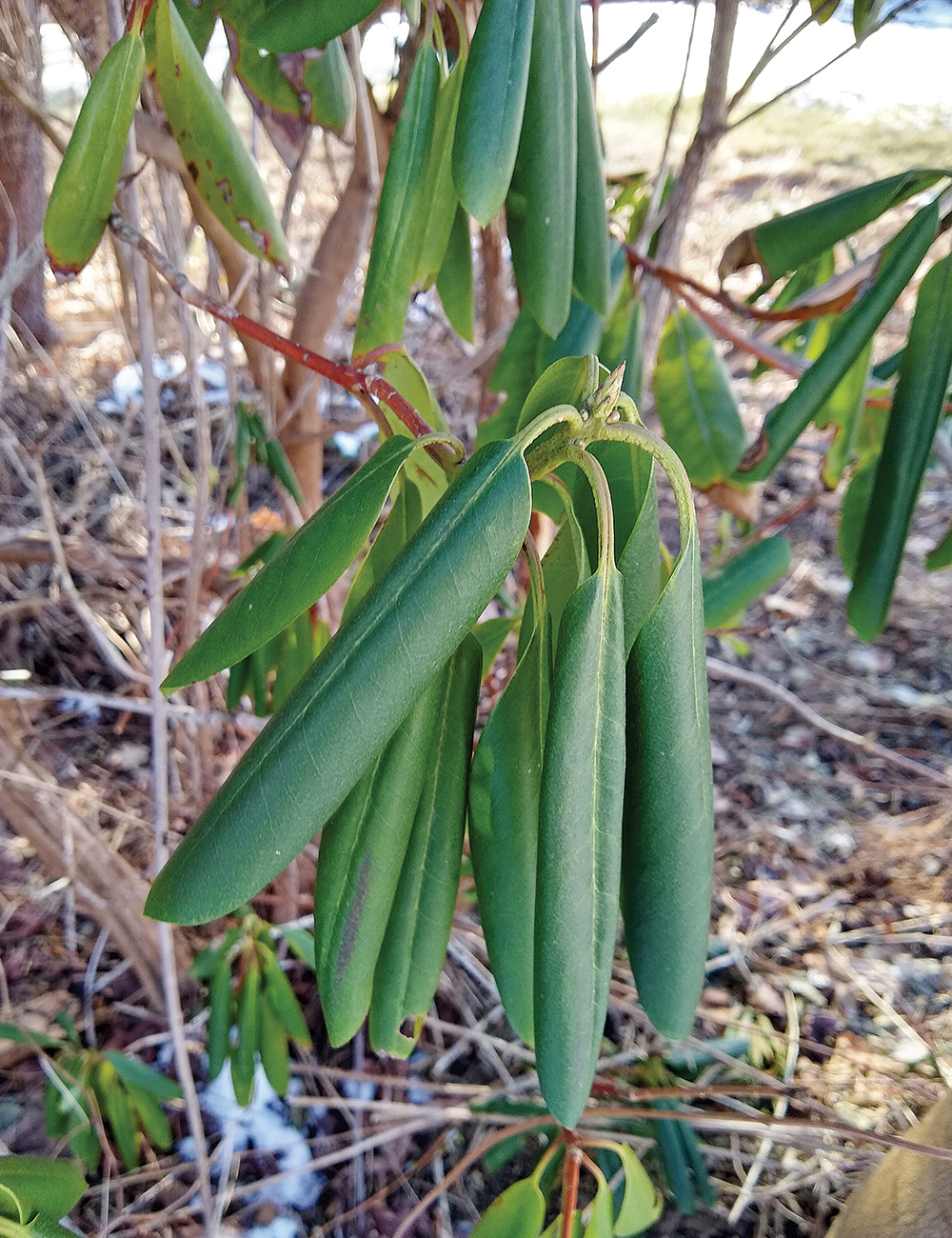
Leaf curl, the most common sign of distress on broadleaf evergreens, is a normal defensive move by the plant during winter months. It minimizes the amount of surface space on the leaf to limit the amount of water that it loses. However, when these plants have not received enough water prior to winter, the leaves will die off before springtime rather than bouncing back.
“The single biggest issue is plants going to bed when the soil is dry,” said Art Laster, owner of Plant Detectives, a nursery in Chester, New Jersey. “You are going to lose them if there is no moisture.”
Right plant, right place
Just because a plant can handle conditions outside its comfort zone does not mean it is happy there or will survive in that situation for the long term. This matters when it comes to dicey weather conditions because the plant can end up getting stressed to the point where it shuts down. As an example, a rhododendron can generally take sun, but their ideal location is part shade. Southwest exposure in a tough fall and winter puts it under a lot of stress.

They also like acidic soil, and if you let that pH climb, the plant again is under stress. It grows, sure, but we are asking it to do backflips for us instead of making it easy on them. “You really need to minimize the amount of stress the plant will have going into winter,” Laster says.
Below are tips for setting up your plants for success this winter. But experts caution that winter care alone will not protect the plant; it is a year-round job to keep them healthy enough to handle the harshest months. “Often the damage starts earlier in the season—we just don’t see it until winter finishes them off,” Brill said.
3 ways to set plants up for success
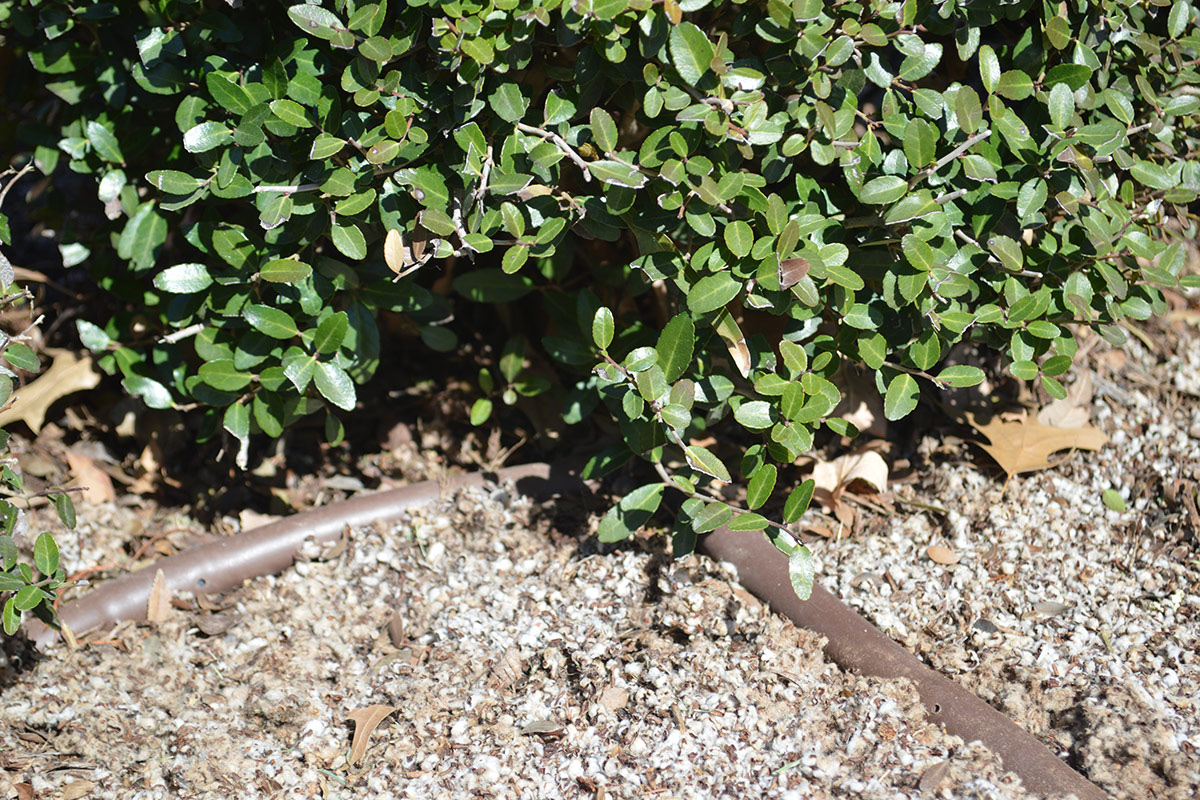
- Hydrate: Keep watering your plants until the end of November if not beyond. Water deeply two to three times a week, rather than lighter waterings more frequently. Water by hand if there has been a drought or dry weather in the fall. If you have an irrigation system, push winterizing back as late as possible and don’t rely on that alone for larger shrubs.
- Limit stress: My rhododendrons sent me clear signs they were unhappy. The green leaves had become pale and bright yellow, a sure sign of chlorosis. But I ignored it, hoping it would go away. So, when the harsh weather hit, my plants were weak and I had die-back almost to the ground. If I had given them an iron treatment and amended the soil, they would have been in a much better position to survive winter.
- Consider cover: For evergreens, anti-desiccant spray can help by locking moisture in the leaves but only when done in combination with proper watering and mulching. Wrapping plants in burlap can also protect them from the wind.

Find more on broadleaf evergreens:
Discuss this article or ask gardening questions with a regional gardening expert on the Gardening Answers forum.
And for more Mid-Atlantic regional reports, click here.
Caitlin Francke is a landscape designer, writer, and speaker who owns Dirt Diva Designs in Chatham, New Jersey.
Photos, except where noted: Caitlin Francke
Fine Gardening Recommended Products

Black & Decker 40-Volt Cordless Hedge Trimmer
Fine Gardening receives a commission for items purchased through links on this site, including Amazon Associates and other affiliate advertising programs.
Powerful 40V Lithium Ion battery of the cordless hedge trimmer delivers power and run-time to complete the toughest jobs. Wrap-around front handle provides comfort and control in vertical and horizontal trimming application. Full length trigger with soft grip handle provides added comfort during use.
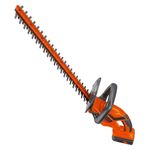
Black and Decker 22-inch Cordless Hedge Trimmer
Fine Gardening receives a commission for items purchased through links on this site, including Amazon Associates and other affiliate advertising programs.
Quick and easy to put into operation and is less noisy and lighter in weight than gas-powered hedge trimmers.
– 38 x 7 x 7 inches
– 6.9 pounds
– 1 Lithium Ion battery required (included)

Felco Pruning Shears (F 9) – High Performance Swiss Made One-Hand Left-Handed Garden Pruners
Fine Gardening receives a commission for items purchased through links on this site, including Amazon Associates and other affiliate advertising programs.
The premium pruning clippers are constructed of forged aluminum handles and hardened steel blades. Rotating handle and ergonomic shock absorbers for increased comfort. This high-performance pruner features a wire cutter for small wires and a sap groove to minimize the blade sticking. Hardened steel blade and screw-mounted anvil blade ensure reliably clean, precise cuts. 8.3-inch (210mm) length, 0.98-inch (25mm) cutter diameter, and has a 0.54 lb (245 gram) weight. Ideal tool for left-handed pruners. Features a cushion stop, sap-groove, wire-cutting notch, and fine blade adjustment.