Rimfire Pistol Suppressor Guide – The Truth About Guns

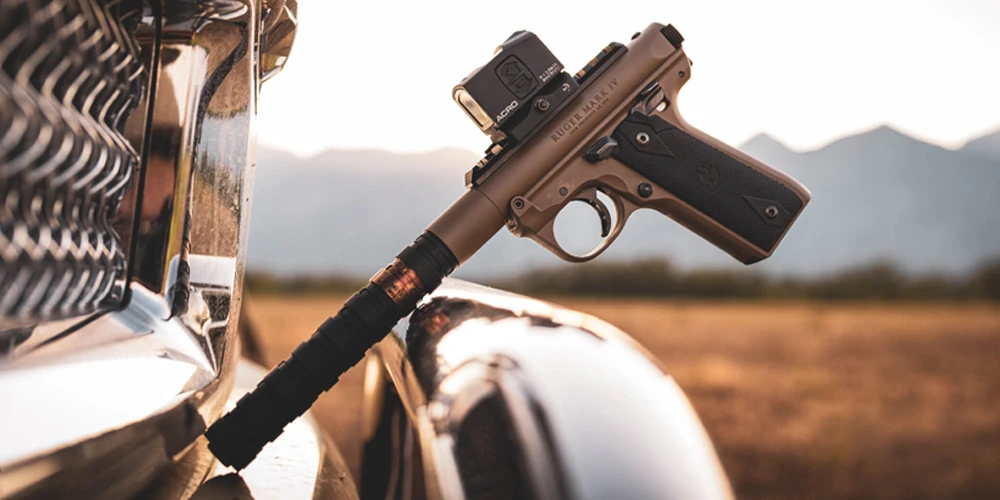
Rimfire suppressors are among the best and most practical investments a shooter can make. After years of testing various configurations and models, I’ve come to appreciate how these simple devices transform the shooting experience with both centerfire and rimfire setups.
Whether you’re introducing new shooters to the sport, conducting pest control around livestock, hunting small game, or simply enjoying range sessions without annoying your neighbors, a quality rimfire suppressor delivers benefits that extend far beyond basic noise reduction.
Why Suppress a Rimfire Pistol
The case for suppressing rimfire pistols starts with hearing protection, but that’s just the beginning. Standard .22 LR ammunition produces approximately 140 decibels from a pistol, which causes permanent hearing damage with repeated exposure.
Add a suppressor, and you’ll typically reduce that noise signature to around 110-115 decibels. This brings the report down to a level where hearing protection becomes optional for many shooters, though I still recommend it for extended sessions.
The practical advantages extend into training scenarios. New shooters, particularly younger ones, often develop flinching habits from noise and perceived recoil. A suppressed rimfire pistol eliminates much of the intimidation factor, allowing shooters to focus on fundamentals like sight alignment and trigger control. I’ve watched countless first-time shooters relax immediately once they realize how fun and manageable the experience becomes with a suppressor attached.
For pest control, suppressors provide a tactical advantage. Whether you’re dealing with raccoons raiding chicken coops or armadillos destroying pastures, reduced noise means follow-up shots remain viable. Varmints typically don’t scatter at the first report, and you avoid disturbing livestock or neighbors who might not appreciate 3 a.m. varmint control operations.
Installation and Threading Basics
Many rimfire pistols come threaded from the factory these days, but for those that don’t, you’ll need to either purchase a threaded barrel or have your existing barrel threaded by a competent gunsmith. The standard thread pitch for rimfire pistols is 1/2×28, the same used on many rimfire rifles. This standardization means your rimfire suppressor will likely fit multiple firearms in your collection, adding versatility to your investment.
Installing a suppressor is straightforward but requires some attention to detail. Ensure the threads are clean and free from debris before attachment. Cross-threading represents the primary installation error I see at ranges, and it can damage both your barrel and suppressor.
Thread the suppressor on by hand first, feeling for smooth, even engagement before tightening it snugly. Most manufacturers recommend hand-tight installation rather than using tools, as over-torquing can cause alignment issues or make removal difficult after carbon buildup occurs.
Verify proper alignment before firing. With the suppressor attached, visually inspect the bore to ensure the suppressor’s internal baffles appear centered. Some manufacturers include alignment rods for this purpose. Misalignment can cause baffle strikes, which destroy suppressors and create dangerous situations. If you’re unsure about alignment, have a more experienced shooter or qualified gunsmith verify your setup.
Top Rimfire Suppressor Recommendations
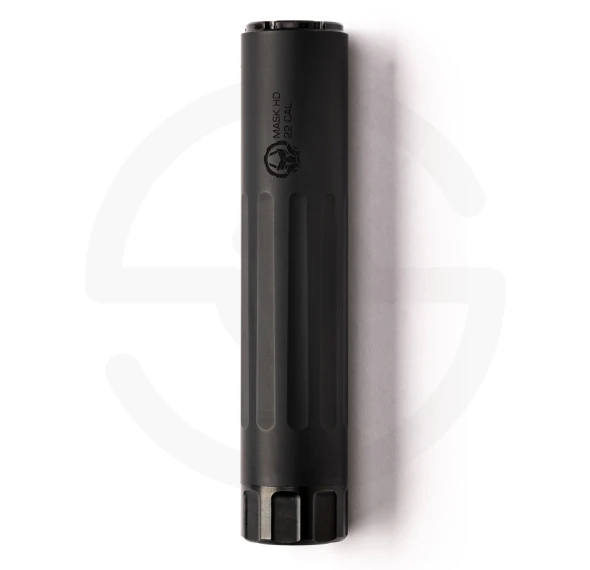
The Dead Air MASK 22 HD stands out as one of the most versatile and durable rimfire suppressors available. Its fully user-serviceable design, titanium and stainless steel construction, and ability to handle everything from .22 Short to .22 Magnum make it an excellent all-around choice. The modular design allows you to run it in either full-length or shortened configurations depending on your needs.
SilencerCo’s Sparrow 22 represents another solid option, particularly for shooters prioritizing ease of disassembly. The quick-detach baffle system comes apart without tools, making cleaning sessions less tedious. Its aluminum construction keeps weight minimal while still providing excellent sound suppression.
If lightweight is the ticket for you, then the Rugged Mustang 22 delivers smartly. Modular like its stainless steel brother, the Mustang 22 weighs just 3.3 ounces in full configuration and 2.4 ounces in short configuration, making it one of the lightest 22 LR suppressors on the market. It’s so light you may forget it’s even on your pistol! It’s also compact, measuring only 3.4 inches in its short configuration. Just keep in mind that the shorter configuration won’t suppress the sound as effectively as the standard configuration length of 5.3 inches, especially with rimfire pistols.
The Q Erector 22 is an ultra-modular rimfire suppressor that gives you complete control over your suppressed loadout. This silencer comes apart piece by piece or baffle by baffle so that you can fine-tune the weight, length, and suppression level for your specific pistol or rifle. At just 2.6 oz, in its longest configuration, the Erector is one of the best 22 caliber suppressors for weight savings. The Erector 22 measures 7.6” long with all of its baffles intact, but features 10 baffles which can be removed to make this suppressor as compact as possible at only 1.75 inches.
Ammunition Considerations
Remember to keep realistic expectations for suppressor performance. A rimfire suppressor will reduce the report of supersonic ammunition to hearing-safe levels, but you’ll still hear a distinct report. High-velocity rounds still produce a supersonic crack as the bullet breaks the sound barrier, which no suppressor can eliminate.
However, standard velocity or subsonic loads maximize rimfire suppressor effectiveness. I keep several boxes of subsonic ammunition specifically for suppressed shooting, as the difference in sound signature is immediately noticeable compared to high-velocity loads.
With rimfire pistols, I can tell a bigger difference in sound between standard velocity ammo at 1,070 fps and subsonic ammo made specifically for running suppressed at 710 fps. The tradeoff I’ve also noticed is that the 710 fps ammo won’t cycle in several types of rimfire pistols.
Maintenance and Cleaning
Rimfire suppressors do require regular maintenance because .22 LR ammunition is notoriously dirty. The lead bullets and unburned powder residue create significant carbon and lead buildup inside suppressor baffles. Unlike centerfire suppressors, which often run relatively clean due to higher pressures and temperatures, rimfire cans need periodic disassembly and cleaning.
User-serviceable designs allow you to remove baffles for cleaning, and is the gold standard for rimfire suppressors. The cleaning process involves disassembling the suppressor, soaking components in a solvent designed for lead removal, scrubbing with bronze brushes, and thoroughly drying before reassembly.
I typically clean mine every 500 rounds, though shooters running particularly dirty ammunition might need more frequent maintenance intervals. Don’t forget to inspect and clean the pistol chamber and and barrel threads, as this is often where I see carbon build up the fastest.
Wrapping Up
Rimfire suppressors transform the shooting experience with pistols in ways that justify both the financial investment and regulatory hurdles.
The combination of hearing protection, improved training outcomes, and practical utility for pest control makes these devices valuable tools rather than mere accessories.
Choose a quality, user-serviceable suppressor, maintain it properly, and you’ll enjoy decades of quieter, more pleasant shooting sessions.