
Choosing the right neighborhood is vital for students because it directly impacts their academic success and overall well-being. Factors such as proximity to campus, safety, and social life should be carefully considered to ensure a supportive living environment. Budgeting is another essential step in managing rental costs effectively. Students should aim to allocate no more than 30% of their income to rent while exploring available financial aid options and saving for upfront expenses. Finally, thoroughly evaluating potential apartments by attending in-person tours, understanding the details of lease agreements, and preparing a complete application will help ensure a successful rental experience.

If your student is looking for college scholarships but doesn’t know where to start, we can help! Sign up for our free college scholarship webinar to learn more about the scholarship process! Take a quick trip over to http://thescholarshipsystem.com/freewebinar to reserve a spot today.
Finding the Right Neighborhood
Finding the right neighborhood is the cornerstone of your apartment hunt. As a student, your living situation will significantly impact your academic performance and overall well-being. Proximity to campus, safety, and the neighborhood’s social and cultural life are key factors to consider when choosing where to live.
Proximity to Campus
For most college students, living close to campus is a top priority. It minimizes transportation costs and saves valuable time, allowing you to focus on your studies and campus activities. University housing offices often provide off-campus housing listings and roommate connections, making it easier to find student-friendly neighborhoods accessible by public transportation.
Living nearby also helps you stay connected with fellow students and participate more easily in campus events, enhancing your overall college experience.
Safety and Security
Safety and security should be at the forefront of your mind when choosing a neighborhood. Consider the following:
- Research crime rates to understand the safety of the area.
- Speak to locals to gain valuable insights.
- Prioritize apartments with essential safety features.
- Consider obtaining renters insurance to protect your belongings and provide peace of mind.
When evaluating safety, also take into account the lighting of streets and common areas around potential apartments, as well-lit areas tend to deter criminal activity. Check whether the neighborhood has a visible police presence or community watch programs, which can enhance security. Additionally, consider the accessibility of emergency services like hospitals and fire departments.
It’s also wise to assess the security measures within the apartment complex itself. Features such as secure entry systems, surveillance cameras, and well-maintained locks on doors and windows contribute significantly to your safety. Some apartment communities offer additional security services, including on-site security personnel or gated access, which can provide extra reassurance.
Remember that personal safety is not just about the environment but also about your habits. Always be aware of your surroundings, avoid walking alone late at night, and keep emergency contacts handy. Utilizing safety apps can help you stay connected and alert in case of any incidents.
By thoroughly considering these aspects of safety and security, you can choose a neighborhood and apartment that support your well-being, allowing you to concentrate on your academic and social life with confidence.
Social and Cultural Life
A vibrant social and cultural life can greatly enhance your college experience. Look for neighborhoods with:
- Lively student communities that host events
- Amenities geared towards students
- A mix of diverse cultures, providing networking opportunities and enriching your social life.
Engaging in community events, joining clubs, and attending local gatherings can enhance your living experience and help build lasting connections.
Setting Your Budget
Setting a budget is crucial for managing your finances while renting an apartment. Understanding your total income, including financial aid and part-time job earnings, will help you allocate funds effectively. Your budget should cover monthly rent, living expenses, and upfront costs.
Breaking down these components will help you afford your dream apartment without financial strain.
Monthly Rent and Expenses
A common guideline for financial stability is to allocate no more than 30% of your monthly income to rent. While this can be challenging for students with limited or irregular income, it’s still a useful benchmark to help you stay on budget.
- List your income sources — include part-time jobs, scholarships, student loans, or family support.
- List your fixed and variable expenses — such as tuition payments, subscriptions, groceries, and transportation.
- Include all living expenses such as utilities, groceries, and transportation in your budget.
Tip: Always check which utilities are included in the rent, since items like heat, electricity, or internet can significantly change your total monthly expenses.
Financial Aid and Scholarships
Consulting your financial aid office can uncover various financial assistance options for housing costs. Many financial aid programs offer support specifically for rent, utilities, and other living expenses. Understanding these resources can significantly alleviate your housing costs and make renting more affordable.
Explore grants, scholarships, and utility discounts available to college students.
Saving for Up-Front Costs
Up-front costs, such as the security deposit, month’s rent, and application fees, can add up quickly. Start saving early to cover these expenses without financial stress. Research and determine your affordability before committing to a lease.
Preparing for these initial costs ensures a smooth transition into your new apartment and helps avoid financial pitfalls. Taking the first step in budgeting will make this process easier.

Searching for Apartments
The search for the perfect apartment should start early, ideally nine months before your intended move-in date. Utilize various resources such as:
- Online listings
- School resources
- Networking To find apartments that meet your needs. A well-planned search strategy will increase your chances of securing a suitable apartment in the right neighborhood.
Here are the best practices for each search method.
Online Apartment Listings
Online apartment listings are a great starting point for your apartment hunt. Websites like:
- Zillow
- Trulia
- Realtor.com
- Apartments.com offer extensive listings with various filter options to narrow down your search.
City-specific sites like StreetEasy and platforms like Craigslist and Facebook Marketplace can help you find room shares or sublets. Always check the landlord’s subletting policy before finalizing any plans.
School Resources
Your school can be a valuable resource in your apartment search. University housing offices often provide listings of available apartments and can assist you in finding student-friendly rentals. Campus bulletin boards frequently showcase housing opportunities from other students looking for roommates or subletting houses.
Student advisors can offer personalized advice and connections to housing resources tailored to your situation.
Networking
Networking is crucial for finding the right apartment. Consider the following sources and methods:
- Talk to student advisors, family members, fellow students, and friends for recommendations and referrals.
- Use online community resources to find potential roommates.
- Explore sublet options through these networks.
The more people you reach out to, the more likely you are to find a great place in the right neighborhood.
Evaluating Potential Apartments
Evaluating potential apartments involves more than just liking the look of a place. It’s essential to conduct in-person tours, inspect the property thoroughly, and consider the amenities and utilities offered. These steps will help you make an informed decision and ensure your new home meets your needs.
Here’s a detailed look at each aspect.
Scheduling Apartment Tours
Scheduling apartment tours is a critical step in the apartment hunt. Arrange visits to multiple properties to compare options thoroughly. Use websites like Craigslist, Facebook Marketplace, and university resources to find apartment listings.
Additionally, ask family members, fellow students, and friends for referrals to uncover additional opportunities.
Inspecting the Property
When inspecting a house property, pay close attention to its condition and suitability for your needs. Check the functionality of appliances, plumbing, and ventilation systems. Look for signs of water damage or mold, as these can indicate larger maintenance issues.
Confirm who is responsible for maintenance and repairs as specified in the lease.
Amenities and Utilities
Essential amenities like high-speed wifi and utilities can significantly impact your living experience. Ensure basic services like gas, electricity, and internet are set up before moving in. Consider the amenities included in the rent that contribute to your overall comfort and convenience.
Evaluate the availability of these amenities to make an informed decision.
Understanding Rental Agreements
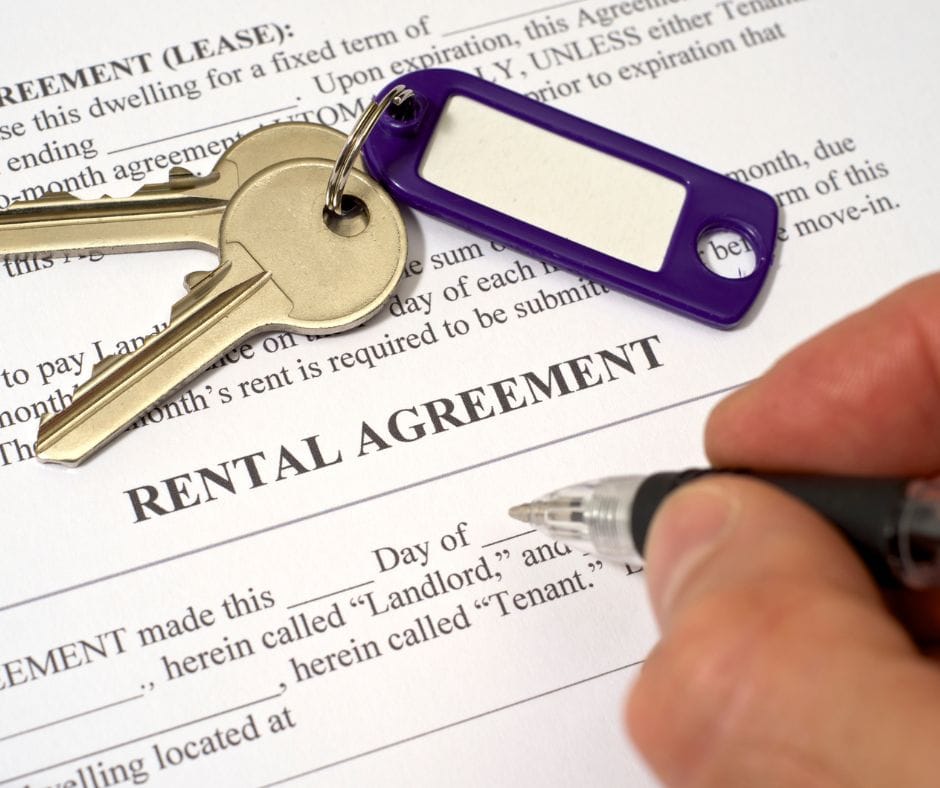
Understanding your lease agreement is key to protecting your rights and ensuring a smooth renting experience. A lease outlines important details about your rental relationship, like how much rent you’ll pay, maintenance responsibilities, and any rules for the property. It should also cover key terms such as how your security deposit will be handled, what’s required for getting it back, and whether you have the option to renew when the lease ends.
Make sure all of these details are clearly written in the agreement before you sign. Taking the time to read and understand the full lease now can save you from headaches and unexpected costs later.
Renters Insurance Requirements
Renters insurance provides essential protection for your personal property and liability. Many landlords require renters insurance as a condition of the lease, and it’s a smart way to protect your belongings and cover liability.
Be aware of these requirements and ensure you have the necessary coverage to meet the lease agreement terms.
Avoiding Scams
Avoiding rental scams is vital for safeguarding your finances. To help you steer clear of scams, it is important to document the apartment’s condition with photos or videos during the walkthrough, which will also help secure your security deposit later. Verify the legitimacy of the property and landlord by checking details across multiple platforms and reading reviews. Trust your instincts; if a deal seems too good to be true, it probably is.
Rental scams can take many forms, including fake listings, requests for upfront payments without proper documentation, or landlords who are unresponsive or unwilling to meet in person. Always be cautious when communicating with landlords or property managers, especially if they pressure you to make quick decisions or payments.
One effective way to protect yourself is to meet the landlord or property manager in person and visit the property before signing any lease or handing over money. If you are unable to visit in person, consider requesting a virtual tour via video call to verify the apartment’s condition and legitimacy.
Additionally, be wary of listings that have inconsistent information or unusually low rent compared to similar apartments in the area. Cross-check the address and landlord’s name with local property records or your university’s housing office if possible.
By staying vigilant and informed, you can avoid falling victim to rental scams and ensure a safe and successful apartment renting experience as a student.
Preparing Your Application
Preparing your application involves gathering the necessary documents, understanding the role of co-signers, and being aware of application fees. Being organized and informed about the application process can streamline your efforts and increase your chances of securing the apartment.
Let’s explore these components in detail.
Required Documents
Common requirements for renting an apartment include a government-issued photo ID, proof of income, and enrollment verification. Proof of income can be demonstrated through pay stubs, bank statements, or documentation of financial aid and student loans. Many landlords also check credit history and may request a minimum credit score to assess your financial reliability. Keeping essential documents like passports, insurance papers, and these financial records in a single accessible location can streamline the application process.
Being transparent and organized with your documents not only speeds up your application but also shows landlords that you are a responsible tenant. Additionally, some landlords or property management companies may require references or letters of recommendation, so having these ready can further strengthen your application.
Co-Signers
Students may need a co-signer to meet income requirements, especially if relying on student loans. A co-signer can be a parent or anyone capable of taking responsibility for the rental payments.
Co-signers must complete an application form, providing their personal and income information.
Application Fees
Application fees are charged by landlords or property managers to cover the costs associated with processing rental applications. Application fees typically range from $25 to $75 per person, depending on the landlord or property manager. Be cautious of listings that require extra fees or upfront fees without legitimate documentation to avoid potential scams.
Ensuring you understand all the associated costs can help you budget more effectively.

Moving In and Settling Down
Moving into your first apartment is an exciting milestone for first time renters. It’s essential to:
- Prepare for moving day
- Decorate on a budget
- Understand your renter rights Proper planning and budgeting will ensure a smooth transition and help you settle into your new living situation comfortably.
Let’s explore these aspects to make your move-in process seamless and enjoyable.
Moving Day Tips
Planning ahead for moving day can ease stress and ensure a smooth transition. Consider the following:
- Pack essentials separately.
- Coordinate transport logistics to avoid last-minute chaos.
- Communicate with your roommate(s) in advance to coordinate responsibilities and expectations.
Rolling clothes when packing saves space and minimizes wrinkles, while labeling boxes with their destination room and contents simplifies the unpacking process.
Have a small “essentials” box on hand with everything you’ll need right away—think scissors or a box cutter, pens and markers, sticky tack or tape, a notepad, and your phone charger. Toss in a few snacks, a water bottle, basic cleaning wipes, and some trash bags for quick cleanups. Don’t forget your keys, important documents, and a few first-aid basics. A flashlight and a mini toolkit and an allen key can also come in handy when you’re unpacking or setting up furniture.
Decorating on a Budget
Decorating on a budget doesn’t mean compromising on style. Consider the following strategies:
- Shop for secondhand furniture as a cost-effective option.
- Inspect secondhand items for pests before buying furniture.
- Use thrift stores and online marketplaces to find affordable furnishings and decor.
Multifunctional furniture can save space and budget in a small apartment. Adding personal touches like photos or small plants can significantly enhance the hominess of a student apartment without significant expense.
Understanding Renter Rights
Understanding your legal rights as a renter is crucial to ensure fair treatment. Legal rights include protections such as:
- Protection against discrimination and unfair treatment
- Awareness of local laws regarding data privacy
- Ensuring landlords cannot enter the apartment without proper notice
Being aware of your rights helps you navigate any issues that may arise during your rental period.
Managing Finances While Renting
Managing your finances effectively while renting is essential for maintaining financial stability. Creating a budget, reducing living expenses, and potentially taking on a part-time job can help you manage your rental costs and other living expenses with the assistance of a property management company during your time renting.
Here are some strategies to help you comfortably afford your new living situation.
Creating a Monthly Budget
Tracking both income and expenditures helps students maintain financial control and avoid spending. Establishing a comprehensive budget that includes:
- Rent
- Utilities
- Groceries
- Other essential living expenses is crucial.
This approach ensures you allocate money appropriately and can cover all necessary costs without financial strain.
Creating a detailed budget allows you to anticipate monthly fees such as internet service, parking, and any other recurring charges that may not be included in the rent. Including these other expenses in your financial plan prevents surprises and helps you manage your money more effectively. Be sure to consider occasional or seasonal costs as well, like increased heating bills in winter or supplies for school projects.
Additionally, tracking your spending habits over time can help identify areas where you can cut back or save. Using budgeting tools or apps designed for students can simplify this process, providing alerts and summaries to keep you on track. Remember, a well-planned budget not only helps you meet your monthly rent obligations but also ensures that you have enough funds for emergencies and leisure, contributing to a balanced college life.
Reducing Living Expenses
Finding ways to lower monthly costs can significantly ease financial pressure. Cooking at home instead of dining out, utilizing discount grocery options, limiting unnecessary utility usage, and taking advantage of student discounts on essentials are effective methods to save money and stretch your budget further. Additionally, sharing expenses with roommates can dramatically reduce individual financial burdens, as costs for rent, utilities, internet, and groceries are split among several people. In addition, it can also help create a supportive social network. Being mindful of subscription services and entertainment expenses, opting for public transportation or biking instead of owning a car, and shopping for secondhand furniture and household items can also contribute to lowering your monthly spending. Implementing these strategies not only helps maintain a balanced budget but also fosters responsible financial habits that will benefit you beyond your college years.
Part-Time Jobs
Having a part-time job can greatly alleviate financial stress, allowing students to afford living expenses and reduce reliance on loans. Part-time jobs also provide valuable work experience and enhance a student’s resume, making them more competitive in the job market after graduation.
Balancing work with studies is crucial, so creating a schedule that prioritizes study time while allowing for work hours is essential. Students should seek flexible job opportunities, such as on-campus positions, tutoring, or remote work, which can better accommodate academic commitments. Additionally, managing time effectively and setting clear boundaries between work and study can help maintain a healthy balance.
Beyond financial benefits, part-time employment can also help students develop important skills such as time management, communication, and responsibility, which are valuable in both academic and professional settings. It’s important for students to communicate openly with employers about their academic schedule and to avoid overcommitting, ensuring that work does not negatively impact their educational goals.

What You Need to Remember
Renting an apartment as a student can be a daunting task, but with the right knowledge and preparation, it becomes a manageable and rewarding experience. From finding the right neighborhood to managing your finances, each step plays a crucial role in ensuring a smooth transition into your new home. Remember to prioritize safety, budget wisely, and understand your rights as a renter. By following these guidelines, you’ll be well-equipped to navigate the apartment rental process successfully and enjoy your college years to the fullest.
Frequently Asked Questions
How do I determine the right neighborhood for my first apartment?
To determine the right neighborhood for your first apartment, prioritize proximity to your campus, safety, and availability of social and cultural activities. Research local crime rates, engage with residents, and seek out student-friendly areas that provide relevant amenities and events.
What percentage of my monthly income should go towards rent?
It is advisable to allocate no more than 30% of your monthly income towards rent to maintain financial stability and cover other essential expenses.
How can I save on upfront costs when renting an apartment?
To save on upfront costs when renting an apartment, begin saving early for essential expenses like the security deposit and first month’s rent, and thoroughly assess your affordability to prevent financial strain. This strategic approach will ease the financial burden as you secure your new home.
What should I look for when inspecting a potential apartment?
When inspecting a potential apartment, it is crucial to assess the property’s overall condition, the functionality of appliances, and to check for any signs of water damage or mold. Additionally, verify that the lease clearly defines responsibility for maintenance and repairs.
How can I balance a part-time job with my studies?
Balancing a part-time job with studies is achievable by creating a schedule that prioritizes your academic commitments while accommodating work hours. Utilize campus job boards and online platforms to find flexible job opportunities that align with your availability.
What is the difference between last month’s rent and a security deposit?
Last month’s rent is the payment for your final month of tenancy, often required upfront to ensure you fulfill your lease term. The security deposit is a separate amount held by the landlord to cover any damages or unpaid rent during your stay. Both are typically due before moving in, so it’s important to budget for these initial costs when renting an apartment as a student.