Vegetable Kimbap Recipe (Gimbap)

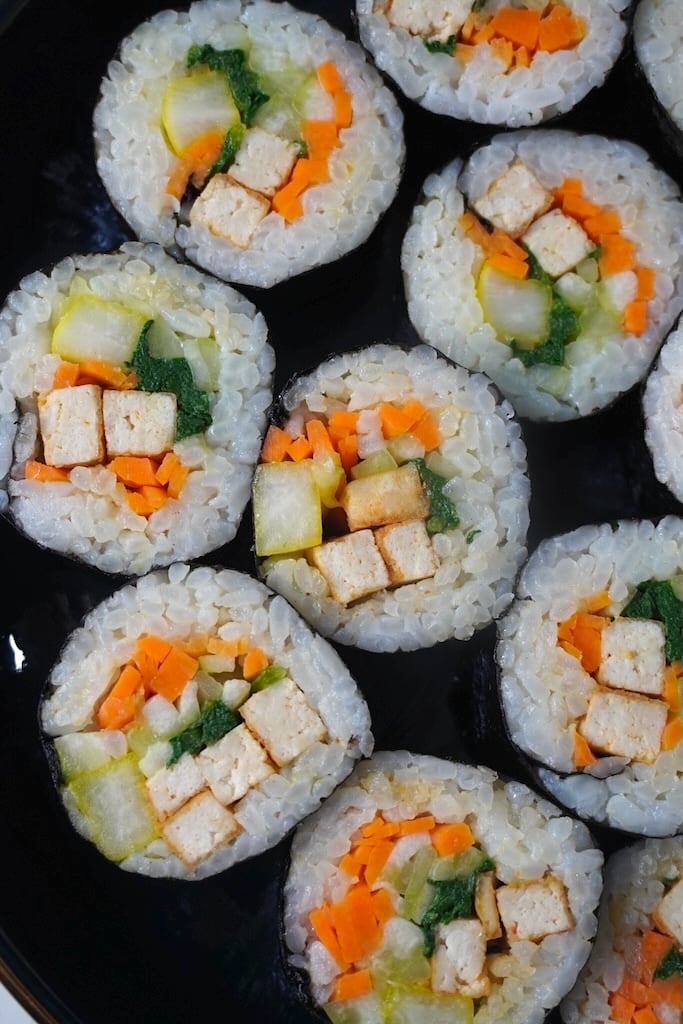
Kimbap (Korean sushi roll) also known as gimbap. This vegetarian kimbap is called Yachae Kimbap (야채 김밥) in Korea and this is the most basic kimbap variety available. Learn how to make perfect looking kimbap with step by step pictures.
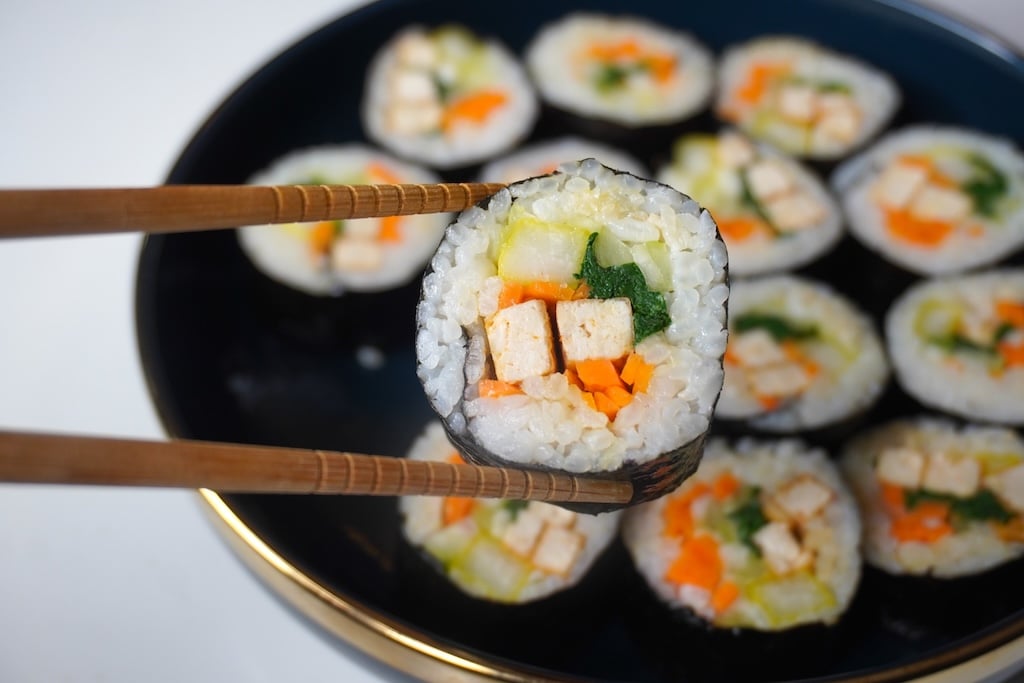
Vegetarian Kimbap
Kimbap was completely new to me until our Korean trip, and we instantly fell in love after the first bite. We ordered plate after plate, the colours, the flavours, the freshness everything felt light yet so satisfying. Once we came back home, I tried recreating it in my kitchen, and over time I’ve made so many versions that I’ve finally perfected my own.
Jump to:
Here is my updated veggie kimbap that is packed with vibrant veggies, lightly seasoned rice, crunchy pickled radish, tender sautéed spinach, and a hint of sesame oil in every bite. Check Korean rice cake & Tteokbokki.
About Kimbap (Vegetariam Gimbap)
Kimbap is a popular Korean dish made with seasoned rice and various fillings in roasted seaweed sheets. It usually includes ingredients like carrots, cucumber, spinach, pickled radish, eggs, or meat, all arranged neatly and sliced into bite-sized rounds.
Koreans often pack kimbap for picnics, travel, or a quick meal because it’s easy to carry, easy to eat, and so refreshing. It looks a bit like sushi, but the flavours are completely different.
This recipe for kimbap is veggie or vegan friendly. Loaded with lots of vegetables which makes it perfect for lunch box or picnic.
Don’t forget to check my other korean recipes too!
Difference between Sushi & Kimbap
Sushi and kimbap may look similar, but they are quite different in flavour and ingredients. Starting with rice, sushi uses rice that is seasoned with vinegar and sugar. While kimbap uses rice seasoned with only sesame oil and salt.
Sushi usually focuses on raw fish, seafood while Kimbap is more like a complete meal filled with cooked items like veggies, egg, pickled radish, chicken, tuna, or beef. Sushi uses plain nori, but kimbap often uses roasted, lightly oiled seaweed for extra flavour.
Ingredients
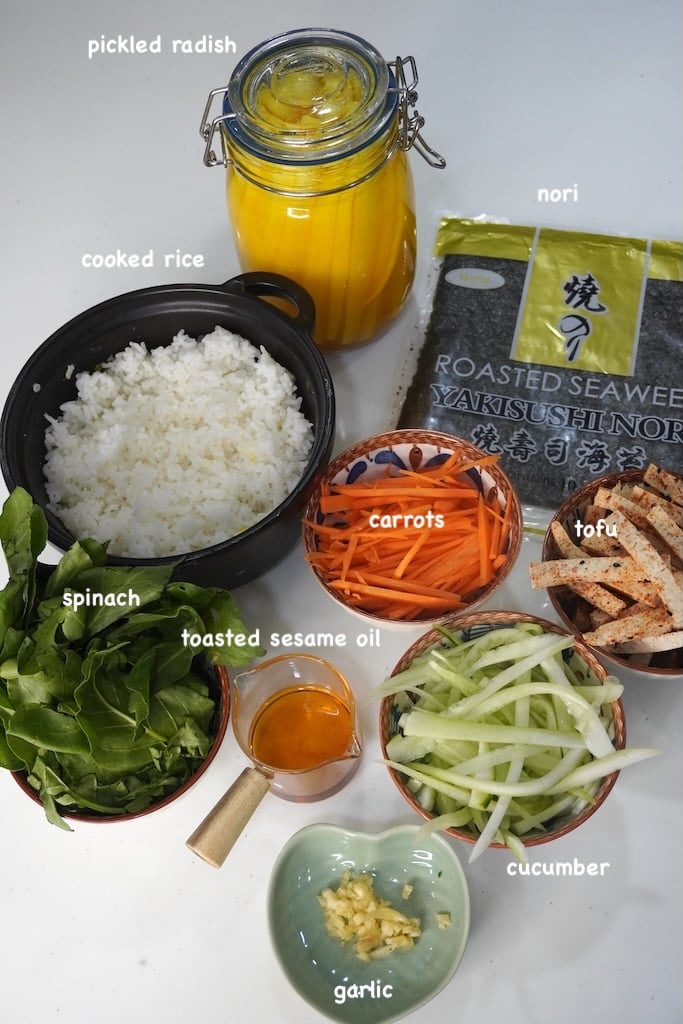
Rice – I used short grain rice for making kimbap. You can use sushi rice too. You can cook it in a pot or in rice cooked.
Toasted Sesame oil – Main ingredient in kimbap. Use in seasoning rice, cooking veggies and coating kimbap.
Vegetables – carrots, cucumbers, spinach is used in kimbap.
Garlic – garlic is added with spinach which adds savoury flavour.
Pickled radish – one of the main ingredient which adds fresh refreshing taste to the kimbap.
Nori – use seaweed which is roasted already, yet I like to roast it slightly just before rolling for added flavour.
Protein – you can use chicken, eggs, seasoned meat in kimbap. But to keep it entirely vegetarian, I used tofu.
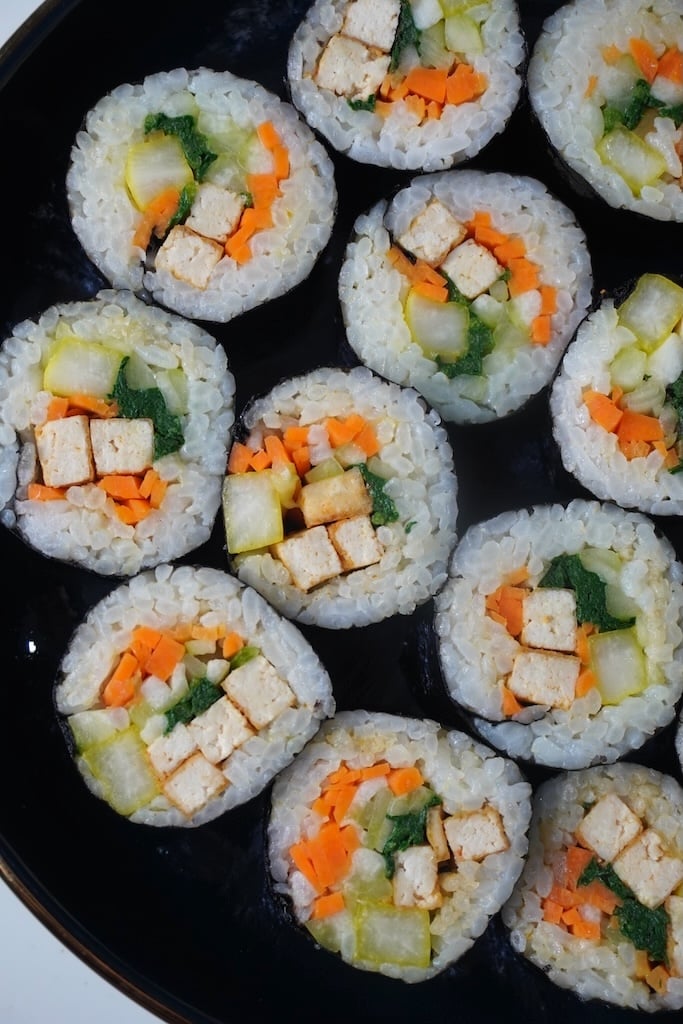
Expert Tips
- Make sure you wrap the bamboo mat with plastic wrap to prevent any sticking issue.
- Be generous with the filling which adds taste and texture.
- Make sure to wrap the kimbap really tight so no filling can escape.
- While cutting vegetables make sure to cut it really fine and julienne.
- Season each vegetables with salt for flavour.
Serving & Storage
Kimbap tastes best when eaten fresh, but if you need to store it, wrap the rolls tightly in plastic wrap so the rice doesn’t dry out. Keep them in an airtight container in the refrigerator for up to 24 hours. Before eating, let the rolls sit at room temperature for a few minutes so the rice softens.
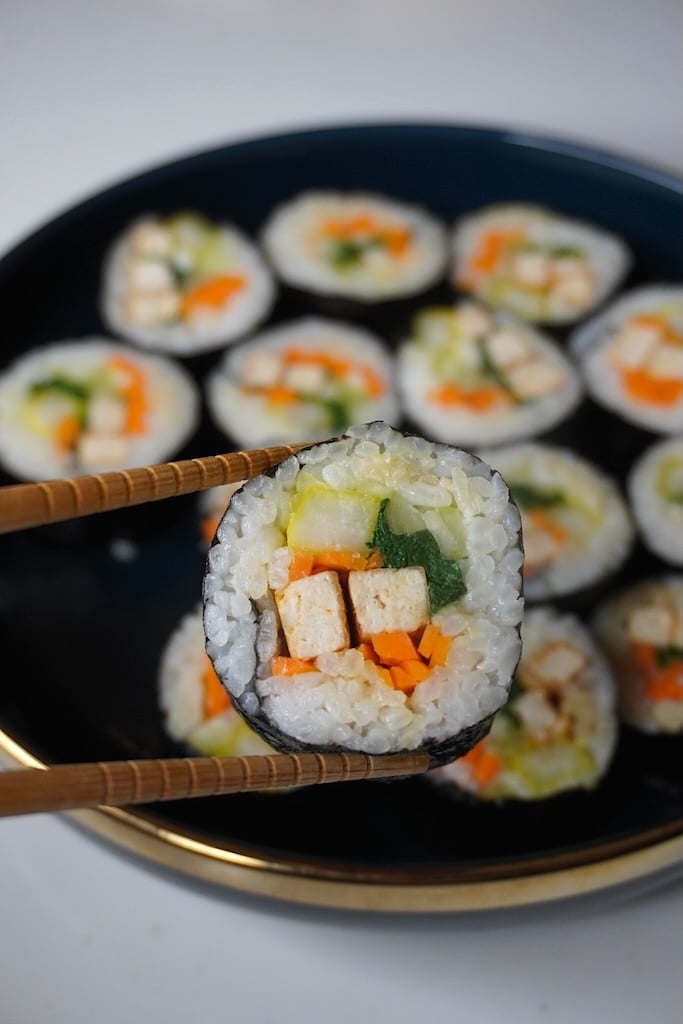
Step by Step Pictures
Rice
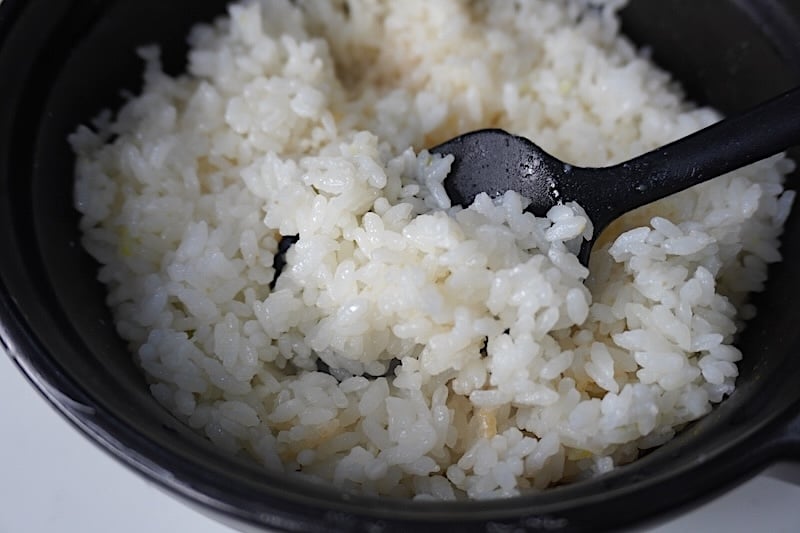
1)Cook rice, Once the rice is slightly cool, add salt and toasted sesame oil and mix well. Set aside warm.
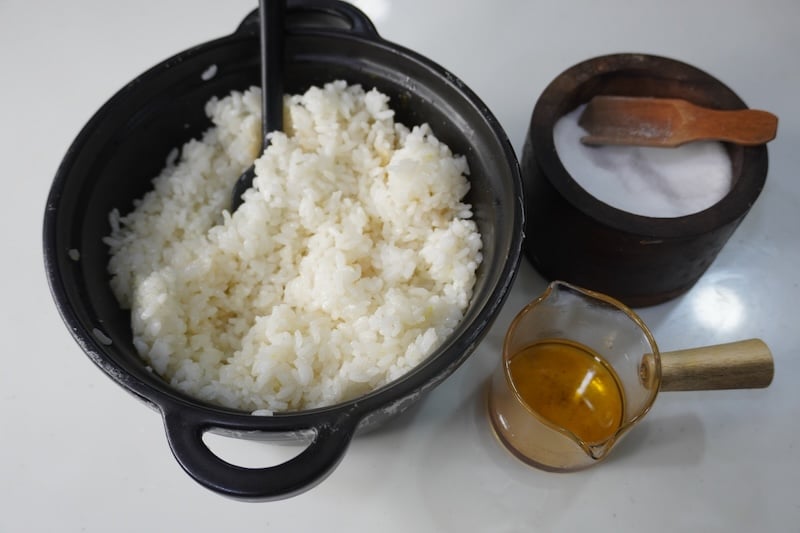
2)This is your sesame seasoned rice.
Vegetables
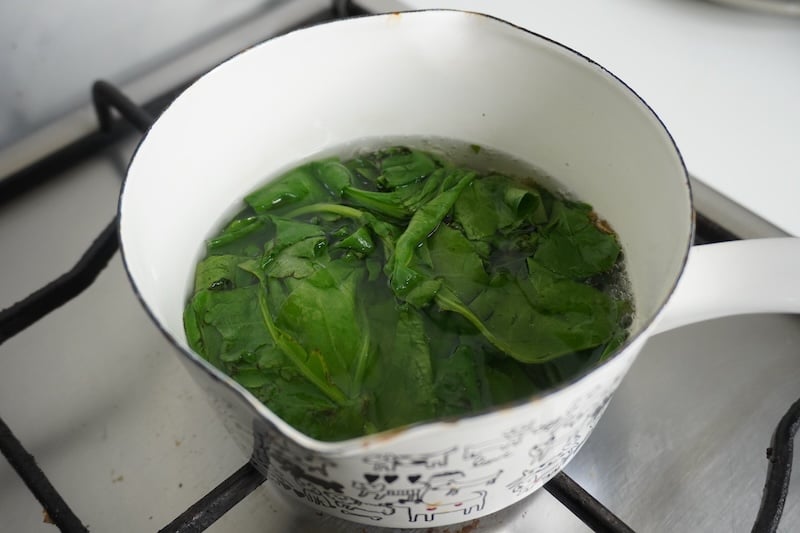
3)Now lets cook spinach. Bring water to a full boil. Add in washed spinach into the hot water. Let it cook for 30 to 45 seconds.
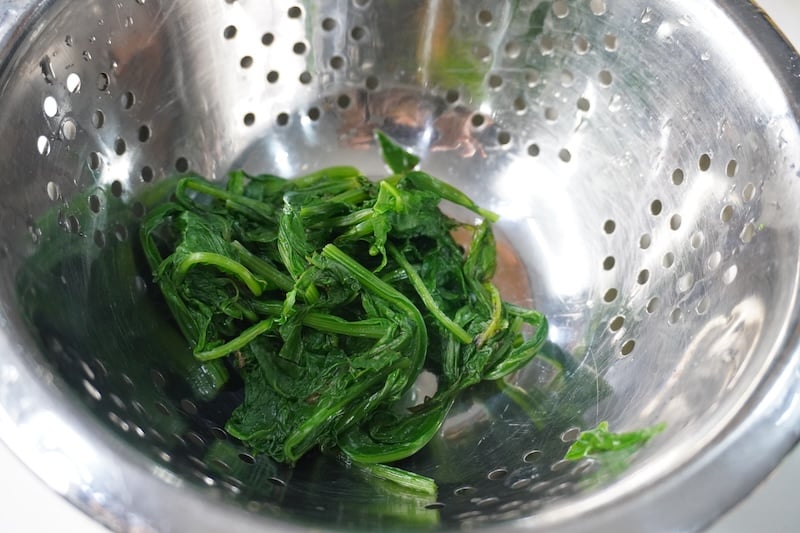
4)Strain the spinach, rinse under cold water. Squeeze and extract all the excess moisture.
5)Now add in garlic and toasted sesame oil on the spinach and toss well.
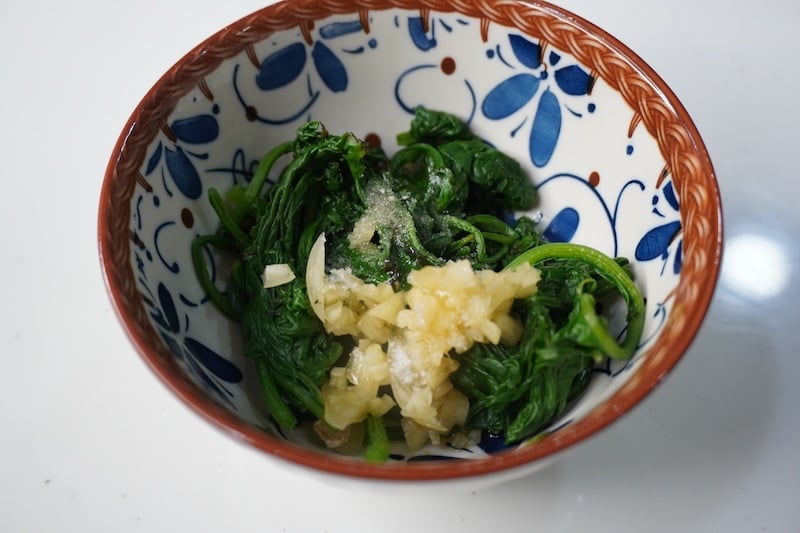
6)Seasoned spinach is ready.
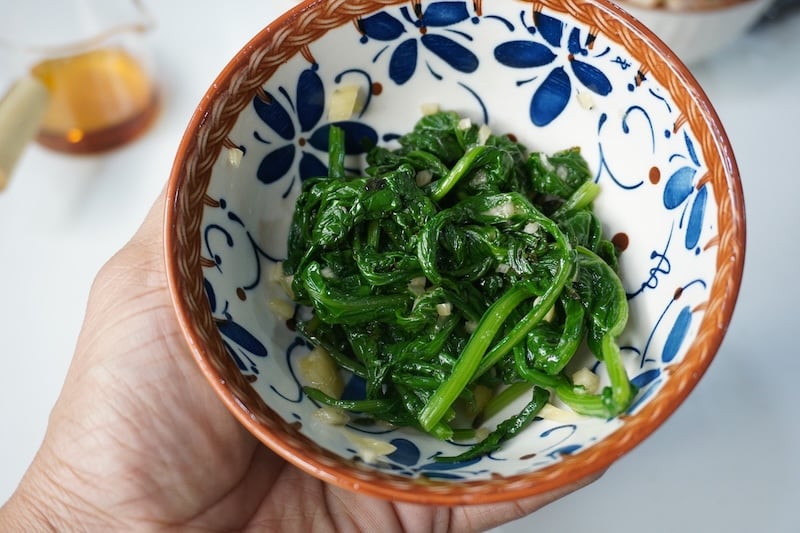
7)Now cook the vegetables one by one. Heat oil add carrots, season with salt.
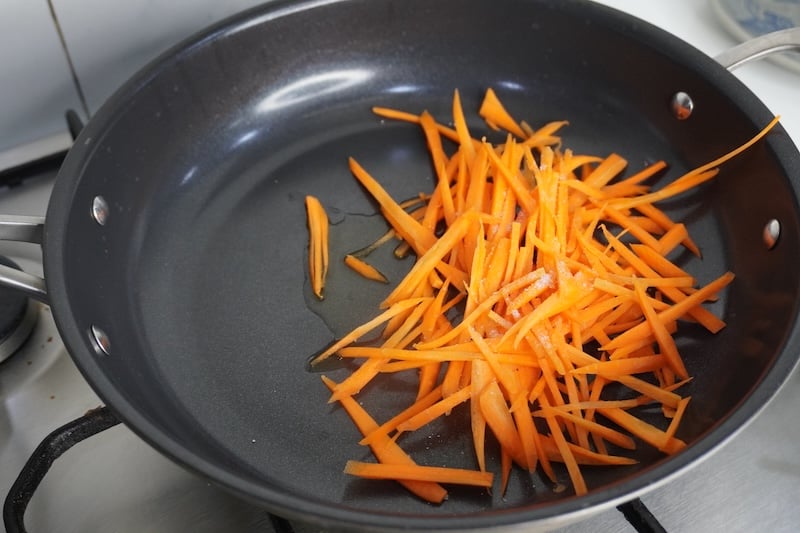
8)Cook for couple of minutes. Remove and set aside.
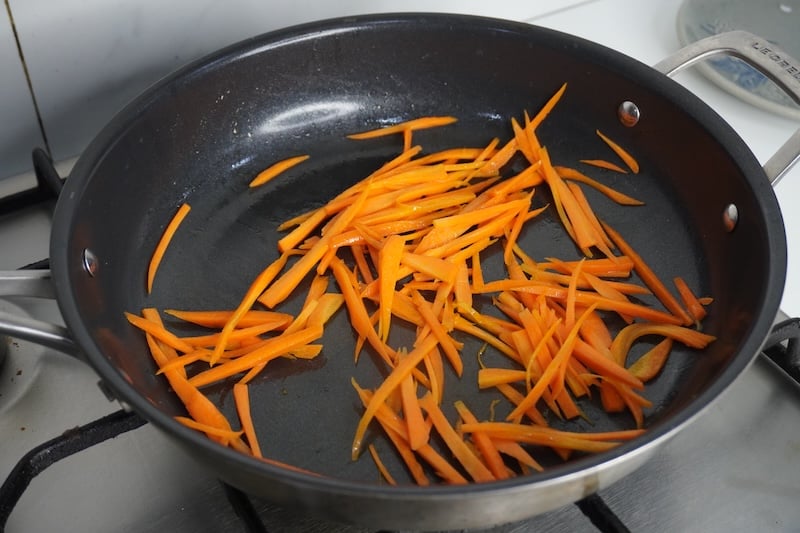
9)In the same pan, heat oil and add cucumber. Season with salt and mix well. Remove and set aside.
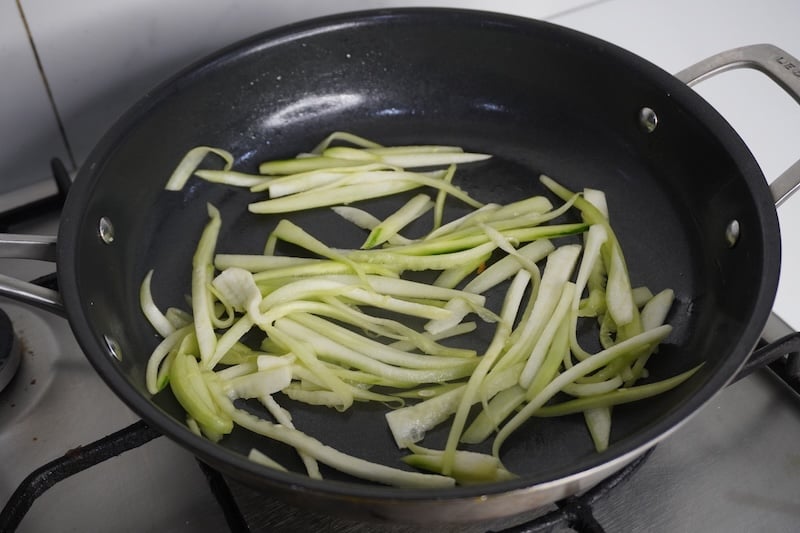
10)Marinate tofu with togarashi seasoning and salt. You can season the tofu with any of your favourite seasoning or just salt and pepper. Now in the same pan. Heat oil and add in the tofu.
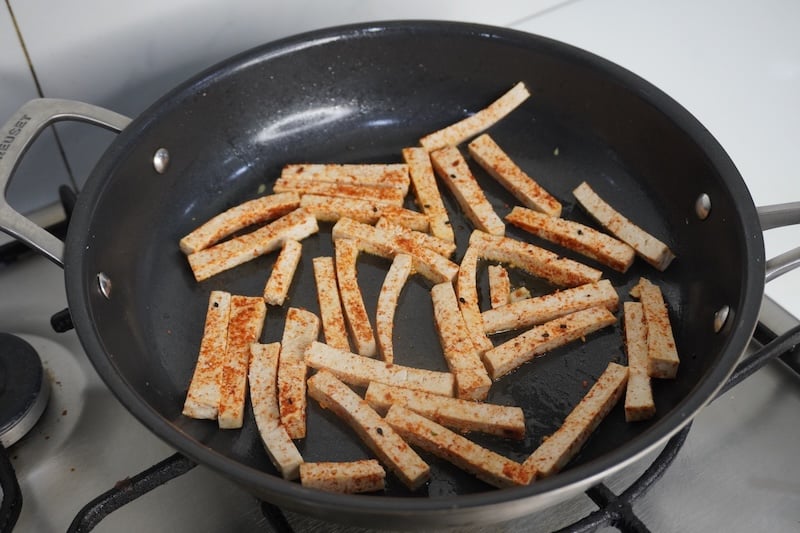
11)Cook on high heat for couple of minutes until lightly golden. Remove and set aside.
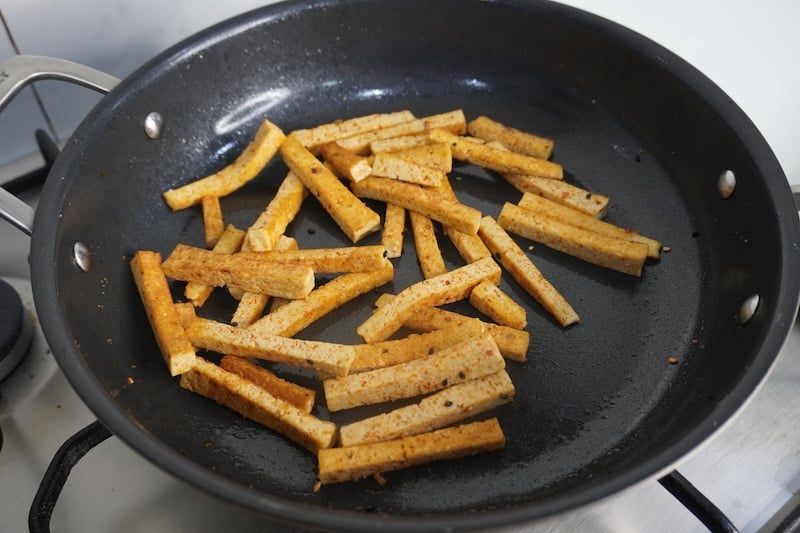
12)Toast nori sheets on a dry pan slightly on both sides. Remove and set aside.

Assembling
13)Now let’s assemble the kimbap. Cover sushi mat with plastic wrap and set aside. Take a bowl of water, also some toasted sesame oil in separate bowl.
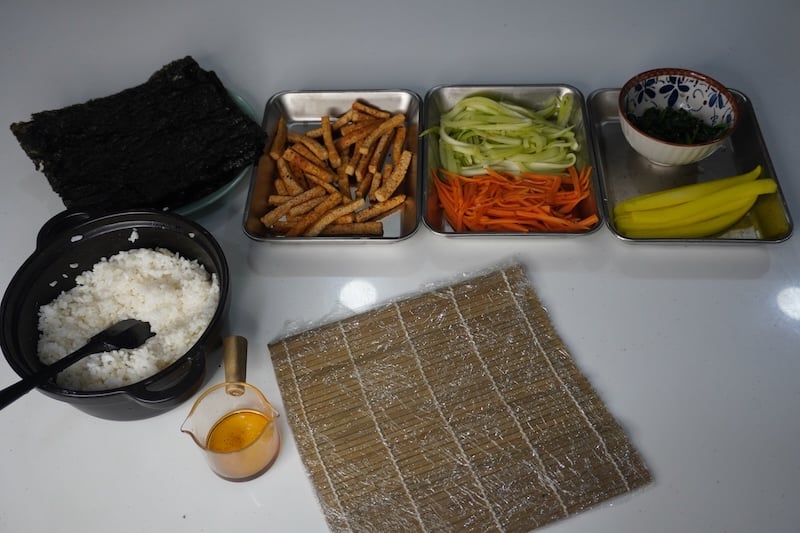
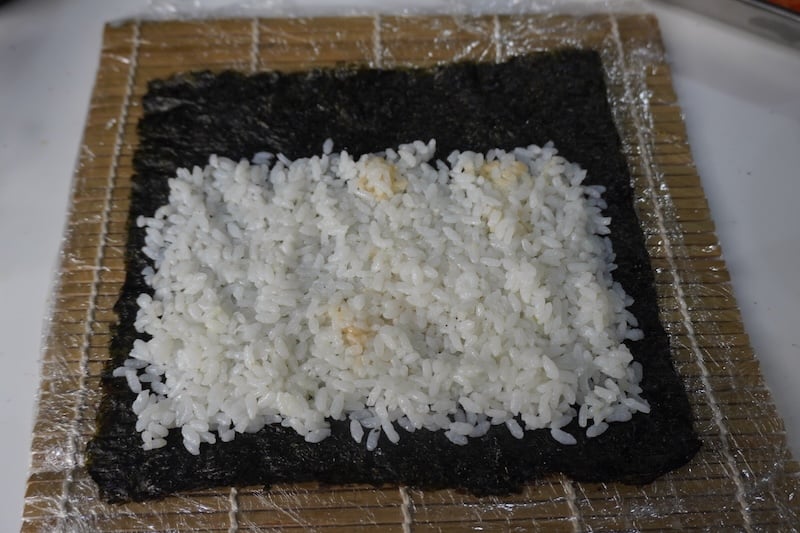
14)Now place a sheet of nori on the bamboo mat. Place shiny side of the nori facing down.
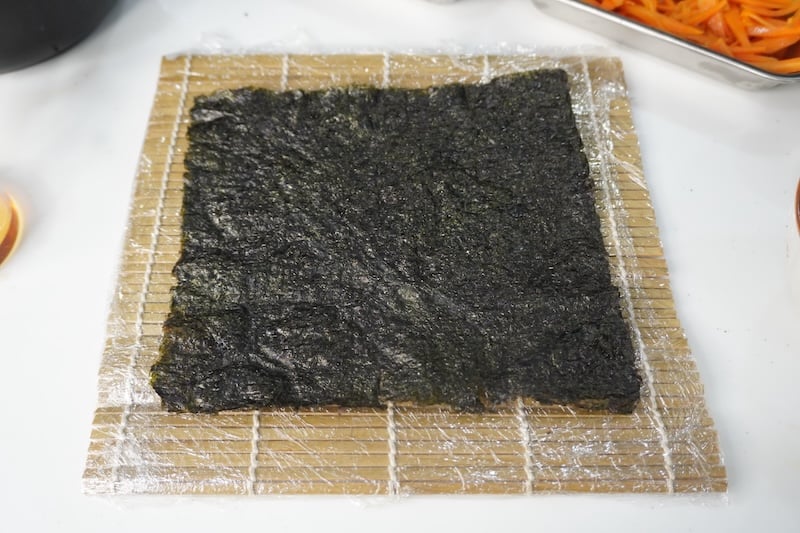
15)Wet your fingers with some water which makes it easy to spread rice. Take rice and spread a thin, even layer of rice over two thirds of the sheet, leaving a small empty space at the top to seal the roll.
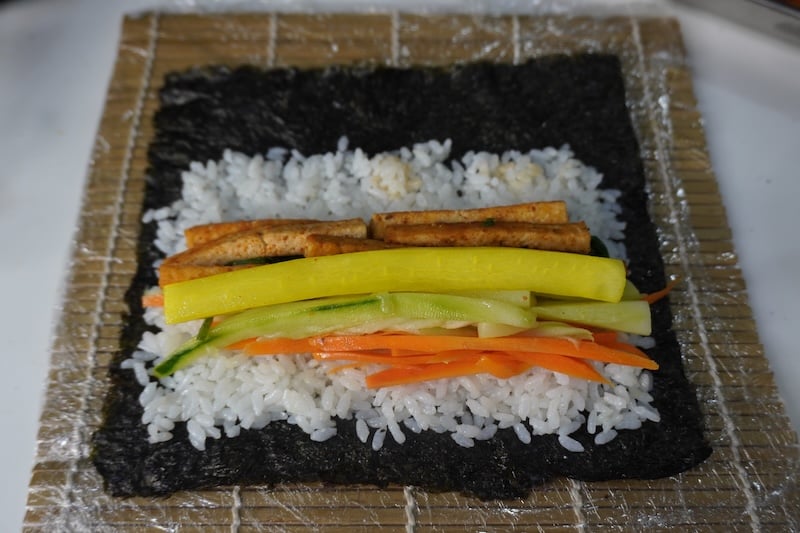
15)Arrange your fillings carrots, cucumber, pickled radish, spinach, or tofu neatly in a line across the rice.
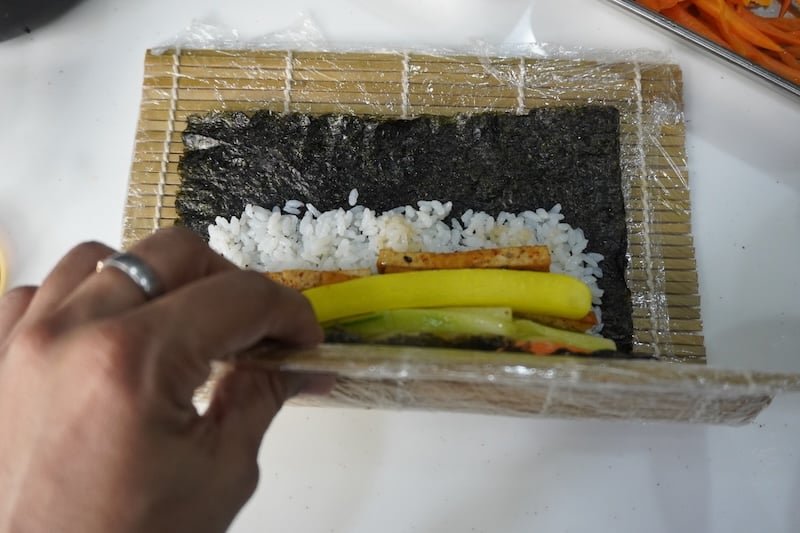
16)Hold the bottom of the mat with both hands and start rolling it forward, gently pressing and tightening as you go so the fillings stay in place.
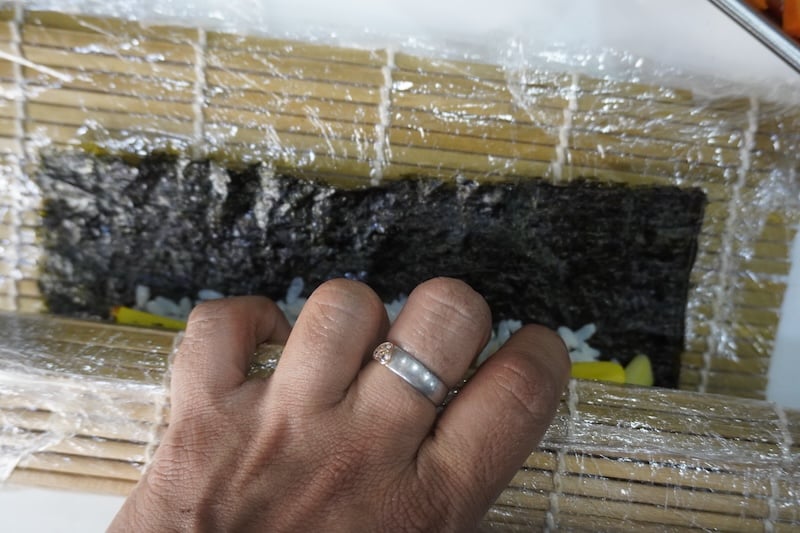
17)Brush the end of the nori with some water which helps the nori stick. Keep rolling until the seaweed seals.
18)Once done, brush a little sesame oil on the outside for shine.
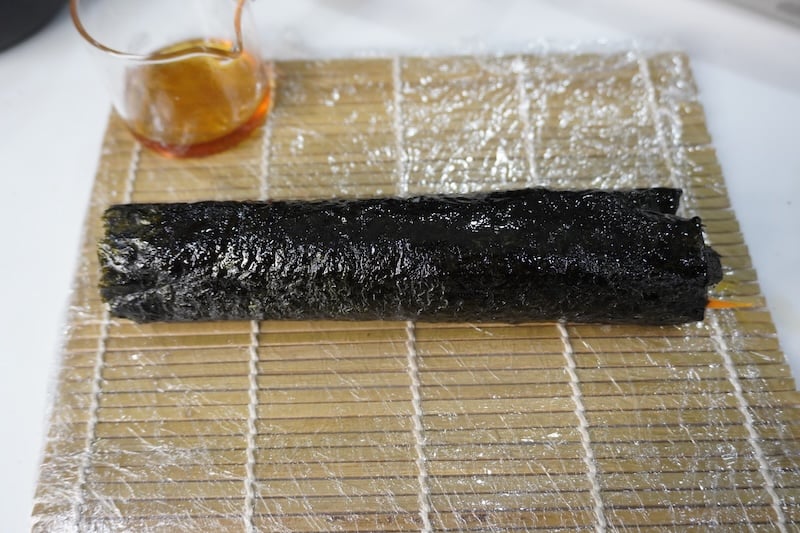
19)Grease knife with sesame oil for clean slices.
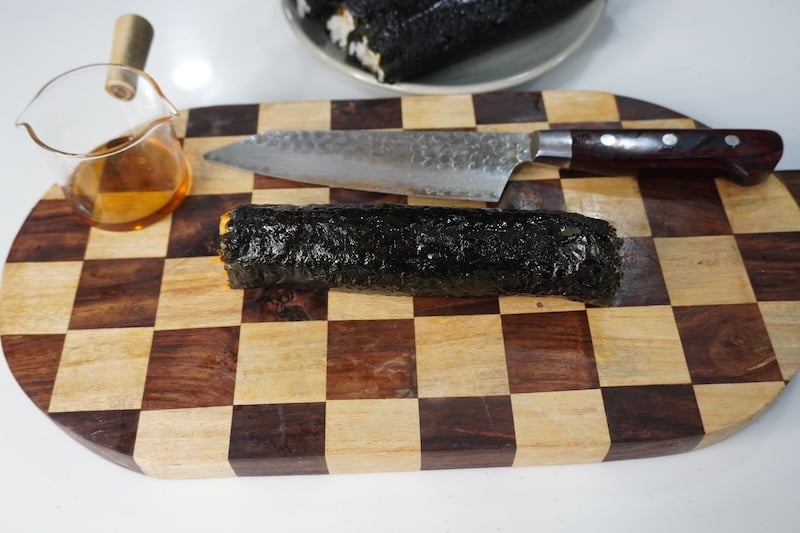
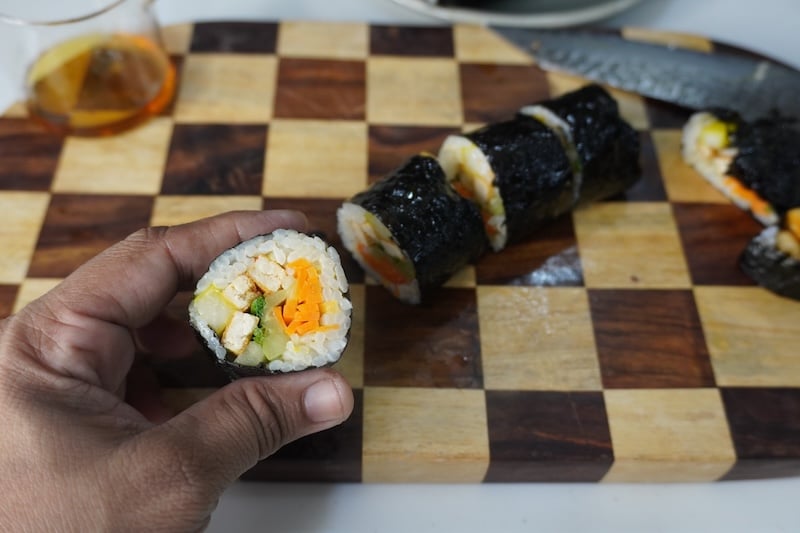
20)Slice kimbap into slices and enjoy.
📖 Recipe Card
Vegetarian Kimbap Recipe (Gimbap)
Kimbap (Korean sushi roll) also known as gimbap. This vegetarian kimbap is called Yachae Kimbap (야채 김밥) in Korea and this is the most basic kimbap variety available. Learn how to make perfect looking kimbap with step by step pictures.
Equipment
-
Bamboo Mat
-
Cooking pot for rice
-
Skillet
-
Plastic Wrap
Ingredients
- 6 sheets Nori (Sushi Wrapper | Seaweed)
- 6 pieces Korean Radish Pickle
- 2 tablespoon Toasted Sesame Oil for brushing over kimbap
For Rice
- 2 cups Short grain rice
- 2 cups Water
- 1 teaspoon Salt
- 1 tablespoon Toasted sesame oil
For Cucumber
- 1 teaspoon Toasted Sesame Oil
- 1 medium Cucumber peeled, deseeded & & julienned
- ¼ teaspoon Salt
For Carrots
- 1 teaspoon Toasted Sesame Oil
- 1 large Carrot peeled & julienned
- ¼ teaspoon Salt
Cooking Spinach
- 2 cups Spinach (I used palak)
- 1 clove Garlic peeled & chopped finely
- 1 tablespoon Toasted Sesame Oil
- ¼ teaspoon Salt
For Tofu
- 200 grams Firm Tofu Cut into long strips
- 1 tablespoon Toasted Sesame Oil
- 2 teaspoon Togarashi optional
- Salt
Instructions
-
Wash and soak rice for 30 minutes. Take it in a pot, add water and place on heat. Bring this to a full boil. Once it starts to boil, reduce the flame and cook on very low heat for 10 to 15 minutes until all water evaporates and rice is cooked. Now gently mix the rice using a spatula and allow it to cool. Once the rice is slightly cool, add salt and toasted sesame oil and mix well. Set aside warm.
-
Now lets cook spinach. Bring water to a full boil. Add in washed spinach into the hot water. Let it cook for 30 to 45 seconds. Strain the spinach, rinse under cold water. Squeeze and extract all the excess moisture. Now add in garlic and toasted sesame oil on the spinach and toss well. Set aside.
-
Now cook the vegetables one by one. Heat oil add carrots, season with salt. Cook for couple of minutes. Remove and set aside. In the same pan, heat oil and add cucumber. Season with salt and mix well. Remove and set aside.
-
Marinate tofu with togarashi seasoning and salt. You can season the tofu with any of your favourite seasoning or just salt and pepper. Now in the same pan. Heat oil and add in the tofu. Cook on high heat for couple of minutes until lightly golden. Remove and set aside.
-
Toast nori sheets on a dry pan slightly on both sides. Remove and set aside.
-
Now let’s assemble the kimbap. Cover sushi mat with plastic wrap and set aside. Take a bowl of water, also some toasted sesame oil in separate bowl.
-
Now place a sheet of nori on the bamboo mat. Place shiny side of the nori facing down. Wet your fingers with some water which makes it easy to spread rice. Take rice and spread a thin, even layer of rice over two thirds of the sheet, leaving a small empty space at the top to seal the roll.
-
Arrange your fillings carrots, cucumber, pickled radish, spinach, eggs or tofu neatly in a line across the rice. Hold the bottom of the mat with both hands and start rolling it forward, gently pressing and tightening as you go so the fillings stay in place. Brush the end of the nori with some water which helps the nori stick. Keep rolling until the seaweed seals.
-
Once done, brush a little sesame oil on the outside for shine, and slice the roll with a sharp knife.
Notes
- Make sure you wrap the bamboo mat with plastic wrap to prevent any sticking issue.
- Be generous with the filling which adds taste and texture.
- Make sure to wrap the kimbap really tight so no filling can escape.
- While cutting vegetables make sure to cut it really fine and julienne.
- Season each vegetables with salt for flavour.
Serving & Storage
Kimbap tastes best when eaten fresh, but if you need to store it, wrap the rolls tightly in plastic wrap so the rice doesn’t dry out. Keep them in an airtight container in the refrigerator for up to 24 hours. Before eating, let the rolls sit at room temperature for a few minutes so the rice softens.
Nutrition
Serving: 1servingsCalories: 580kcalCarbohydrates: 84gProtein: 12gFat: 21gSaturated Fat: 3gPolyunsaturated Fat: 9gMonounsaturated Fat: 8gSodium: 1099mgPotassium: 399mgFiber: 4gSugar: 2gVitamin A: 4949IUVitamin C: 9mgCalcium: 58mgIron: 6mg
If you have any questions not covered in this post and if you need help, leave me a comment or mail me @[email protected] and I’ll help as soon as I can.
Follow me on Instagram, Facebook,Pinterest ,Youtube for more Yummy Tummy inspiration.
IF YOU MAKE THIS RECIPE OR ANYTHING FROM YUMMY TUMMY, MAKE SURE TO POST IT AND TAG ME SO I CAN SEE ALL OF YOUR CREATIONS!! #YUMMYTUMMYAARTHI AND @YUMMYTUMMYAARTHI ON INSTAGRAM!
More Korean Recipes