
5 Production Disciplines Corporate Event Teams Should Borrow From EDC Las Vegas 2026


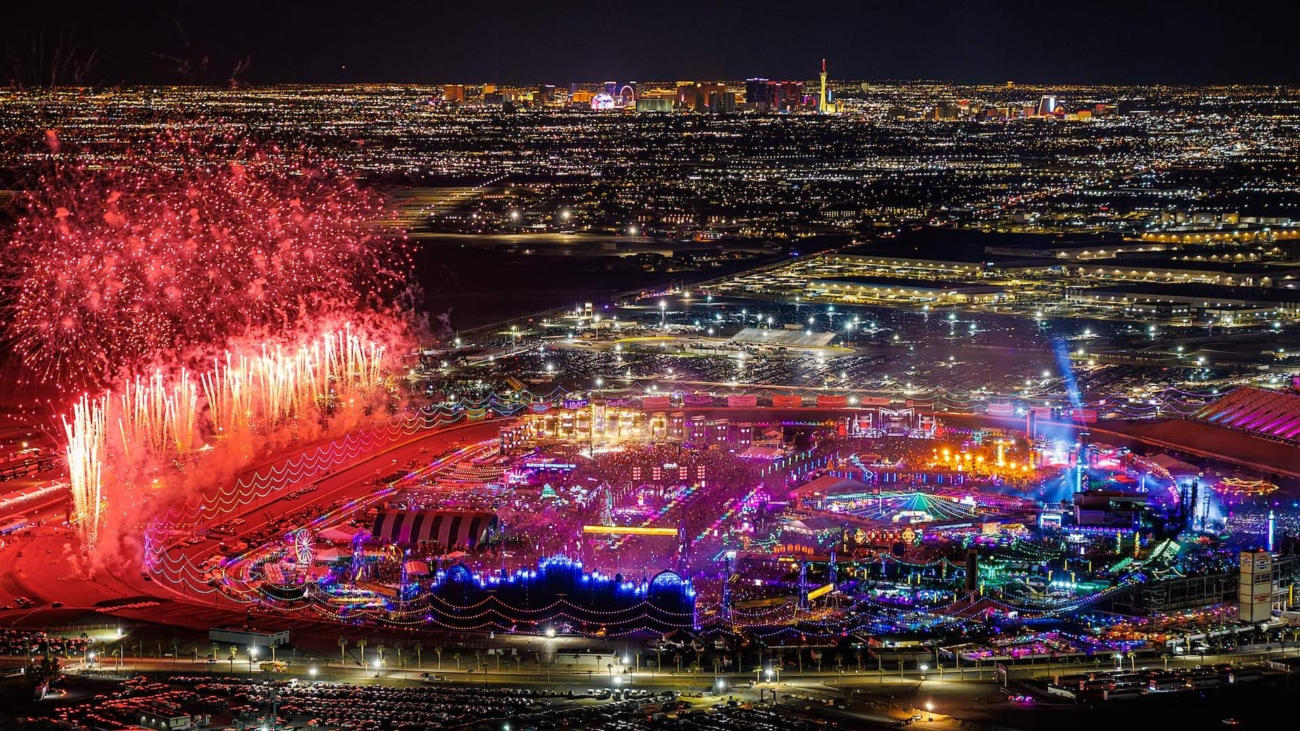
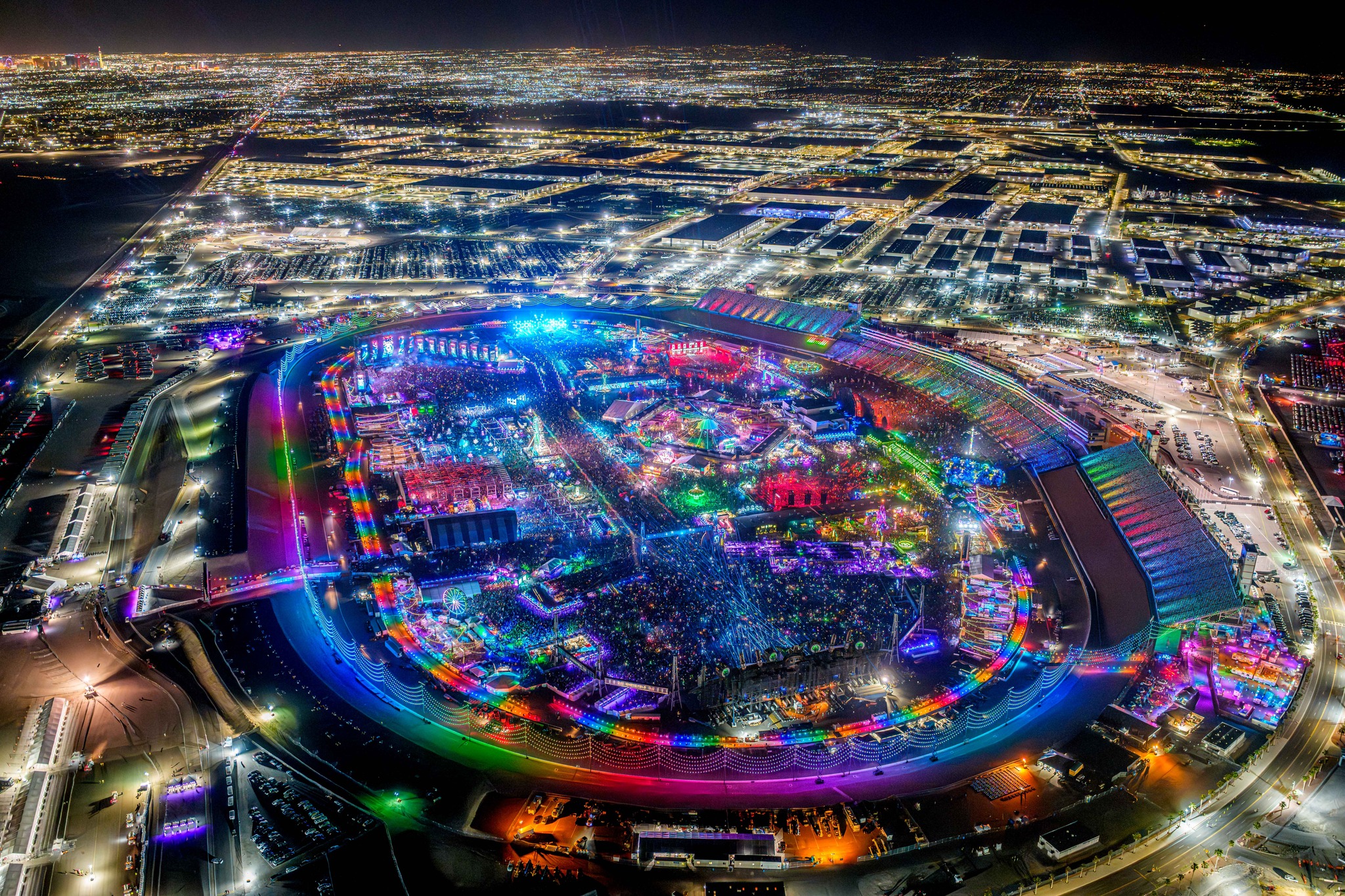
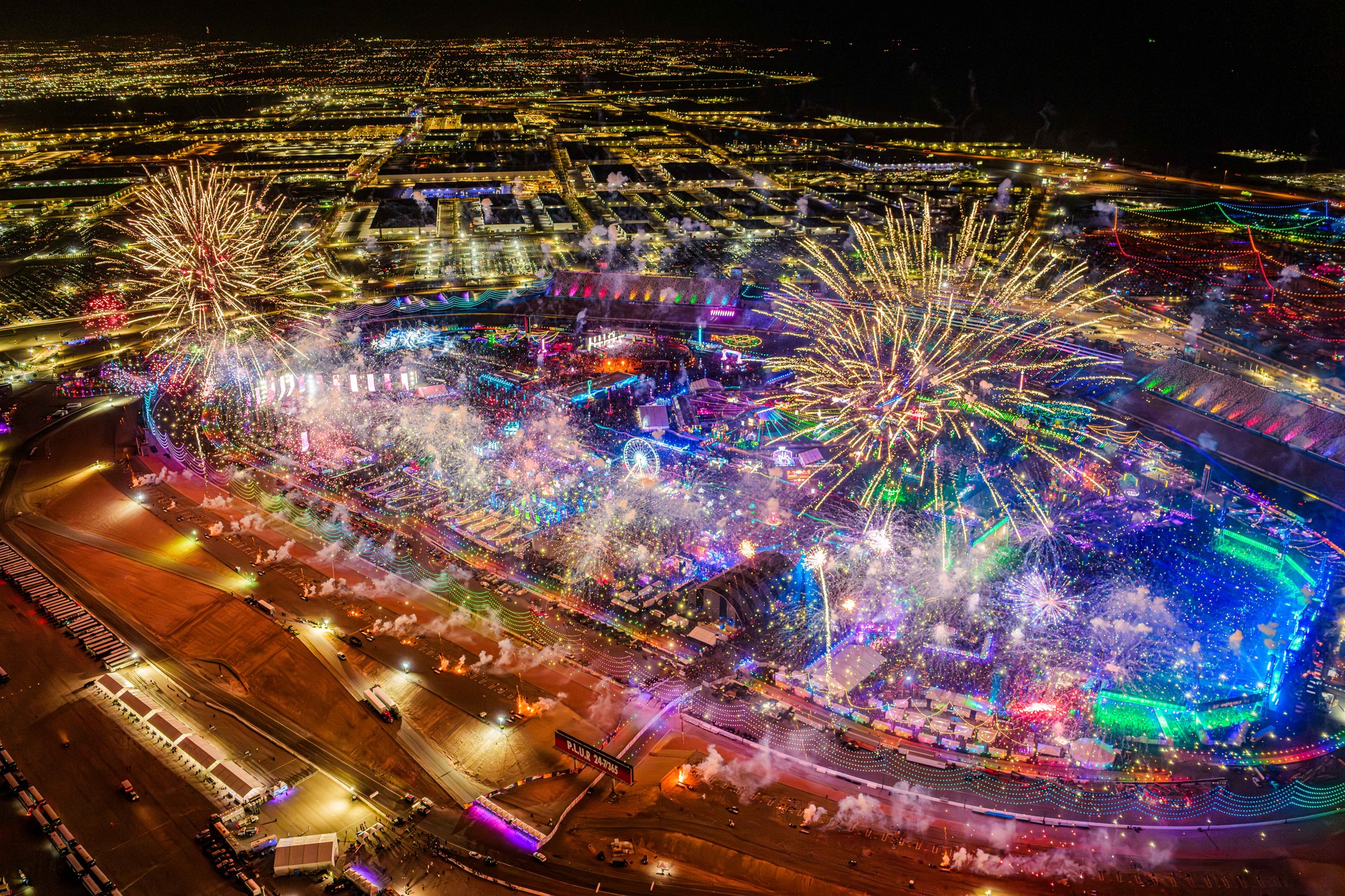
I just got back from the 30th anniversary of EDC Las Vegas. Three nights, nine stages, more than 240 artists, north of 170,000 attendees per night under the kineticJOURNEY theme at Las Vegas Motor Speedway.
The production budget is public, on the record from Insomniac founder Pasquale Rotella in an interview with Stage Hoppers. EDC Las Vegas runs $45 million to $50 million to produce. The regional EDC editions in New York and Orlando run $5 million to $7 million. The Las Vegas edition takes a month to set up, occupies 600 acres, and peaks at roughly 5,000 workers on site. The main stage alone, kineticFIELD, is 440 feet wide and 100 feet tall, with 1,400 light fixtures, 26 lasers, and 33 pyro cannons.
I am putting those numbers up front because they matter to the detail that follows.
This was not my first EDC and it will not be my last. I go as a producer and a fan. I watch how the team at Insomniac runs the operation, I take notes on what is working, and I come back with a clearer picture of what corporate event programs should be doing more of and I go for the pure enjoyment of the experience. Most of what makes EDC work at this scale is not the budget. It is the operational discipline underneath the budget. And those disciplines certainly scale down to a $500,000 corporate conference.
Insomniac founder Pasquale Rotella told DJ Mag ahead of the 30th anniversary that EDC is “still underground in a lot of ways.” That sounds counterintuitive for an event drawing over half a million people. But the discipline that built EDC into what it is now started underground, and at 30 years in, it has been fully operationalized. That is what corporate programs need to learn from.
Here are the five disciplines worth bringing back into corporate event production.
1. Operational Consistency Is What Builds Brand. Not Novelty.
EDC started in 1997 as a small Los Angeles event. The 2026 edition was its 30th anniversary, and Insomniac just announced the 2027 festival will expand to two consecutive weekends for the first time in its history.
Thirty years of operating standards do not happen by chance. The team at Insomniac has spent three decades refining how they treat attendees, how they treat talent, and how they treat crew. The theme changes (this year it was kineticJOURNEY, prior years have included kineticGAIA and kineticLOVE) but the operational floor underneath the theme does not.
This is the lesson most corporate event programs are missing. Marketing teams chase novelty. New themes, new agencies, new platforms, new gimmicks. Year over year, the attendee experience drifts because the operational standards underneath the theme are never locked in.
The corporate programs that build durable brand equity do the opposite. They lock in a small set of operational standards (how attendees are greeted at registration, how speakers are supported pre-show, how crew is briefed at call time, how vendors are managed on the floor, how the close-out happens) and they refuse to compromise those standards across years. The theme can change every year. The standards underneath should not. That is how a 30-year brand gets built, whether the brand is a festival or a corporate flagship event.
2. Immersion Is the New Baseline, Not the Premium Tier
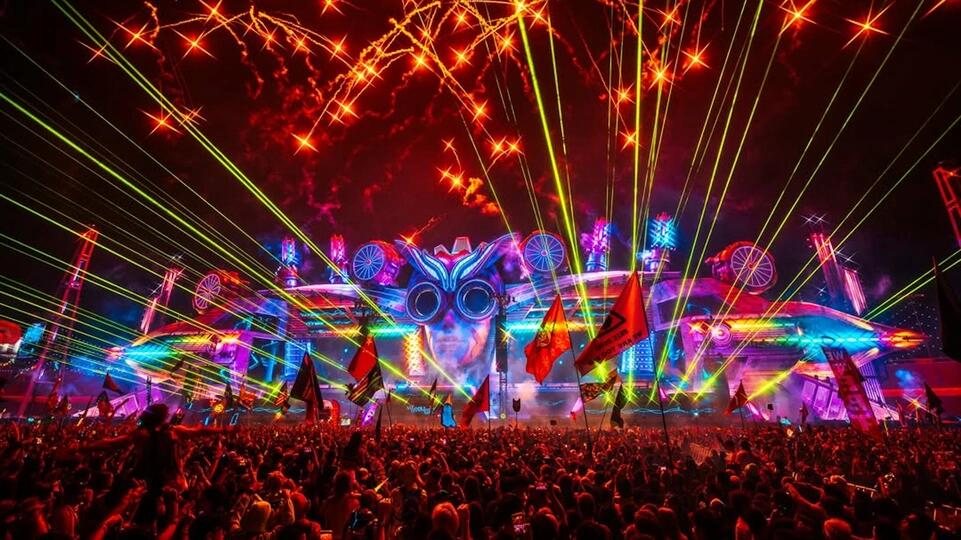
Walk through the gates at EDC and the production never lets up. KineticFIELD at 440 feet wide and 100 feet tall uses every tool available: 1,400 light fixtures, 26 lasers, 33 pyro cannons, fireworks, LED panels the size of buildings, CO2 cannons, and an owl-shaped stage structure that has become iconic to the brand. CircuitGROUNDS is a semi-circle of LED walls and fire. Art cars, illuminated installations, carnival rides, ground-level performers, sky-level visuals, content layered everywhere you look.
This is what attendees under 35 now expect from any live experience. They have been trained by TikTok, by Instagram, by the internet. This is what the phenomena like the Savannah Bananas tap into when they execute their sensory density. A flat stage with a podium and a single screen no longer reads as production. It reads as a placeholder.
Right now, corporate event production is moving in the wrong direction on this. The pattern is everywhere. Procurement teams selecting AV vendors on lowest cost. Production budgets stripped down to a single IMAG, two side screens, a podium, and house lighting. RFPs structured to optimize for price per attendee instead of impact per attendee. Last-minute scope cuts that pull lighting design, environmental graphics, and on-floor activations out of the show.
The math looks clean on the spreadsheet. The math is wrong on the floor.
When a Fortune 500 brand hosts an executive summit with the same AV setup a mid-tier association used in 2014, attendees notice. When a tech company hosts a developer conference that looks visually identical to every other developer conference, attendees notice. When a corporate flagship event looks like a hotel ballroom with a logo on a banner, attendees notice. They are comparing what they see in your room to what they see in their feed, and they are reaching conclusions about your brand based on that comparison.
The corporate programs that are winning right now are layering sensory texture intentionally. Environmental lighting design instead of house lights. Audio beds and sound design under transitions, not just under keynote music. Content distributed across multiple screens at different sightlines, not centralized on a single IMAG. Floor-level activations that give people something to look at and interact with between sessions. Branding integrated into the architecture of the room, not stuck on a banner at the back.
None of that requires a festival budget. It requires deciding in pre-production that every sightline is a design opportunity, assigning a producer to own that decision, and protecting that scope through procurement instead of cutting it first.
3. Safety Is a Production Discipline. Run It Like One.
The most important thing I saw at EDC 2026 happened on Sunday night.
A cold front rolled through Southern Nevada. Wind gusts hit 69 mph at Allegiant Stadium and 82 mph at the Hoover Dam. The FAA instituted a ground stop on departures at Harry Reid International. Trees came down. Hotel doors blew out. At Las Vegas Motor Speedway, the Insomniac team paused Circuit Grounds, BassPod, and Quantum Valley. Carnival rides shut down. Shuttle and artist transport were temporarily halted. Crowds were briefed via on-screen messaging and audio announcements at each affected stage. Around 11 p.m., once conditions stabilized, the stages reopened and the festival continued through sunrise.
The pause is not what corporate event teams should be studying. The pause was the visible 10% of the operation. The other 90% is what made the pause possible.
This is the cleanest example of show-stop authority I have seen executed at scale. Show-stop authority is the industry term that came out of the post-Astroworld reckoning. Steven Adelman of the Event Safety Alliance has been one of the loudest voices on this since 2021: the producer and the production team have the authority to pause a show at the first sign of structural, weather, or crowd-related risk, and that authority needs to be documented, rehearsed, and integrated into the run of show before the event begins. After eight people died at Astroworld in 2021, where a 56-page operations plan never once addressed how to handle a crowd surge, the industry got serious about this.
EDC 2026 demonstrated what good looks like. Officials confirmed this year’s stages were engineered shorter specifically to accommodate high-wind operations. The Ground Control team, established by Insomniac in 2011 after the company brought on a director of Health & Safety, was on the ground in their signature purple shirts running medical calls on two-way radios, monitoring crowd density, and pumping water at the free refill stations. The crew on every stage knew the show-stop protocol before the wind hit, which is why the response looked routine instead of chaotic. Compare that to weekend one of Coachella in April, where high winds disrupted operations and Anyma had to cancel his headlining set entirely. Same weather threat, different operational depth.
Most corporate events will never face a desert windstorm. But they will face fire alarms, medical emergencies, severe weather, AV failures, power outages, and security incidents. The question is not whether your event will encounter something unexpected. It is whether your team has rehearsed the response, documented the show-stop authority, briefed the crew, and built the protocols into the show flow before the room fills.
This is also where the lowest-cost-vendor model breaks first. The cheapest production bid is almost never the one with documented safety protocols, rehearsed show-stop authority, and a producer who has run the play before. Corporate event teams should treat safety, medical, and weather planning as core production deliverables, not insurance add-ons, and build them into the run of show during pre-production. That is the standard EDC is operating to. That should be the standard corporate programs are operating to as well.
4. The Crowd You Get Is the Crowd You Curated
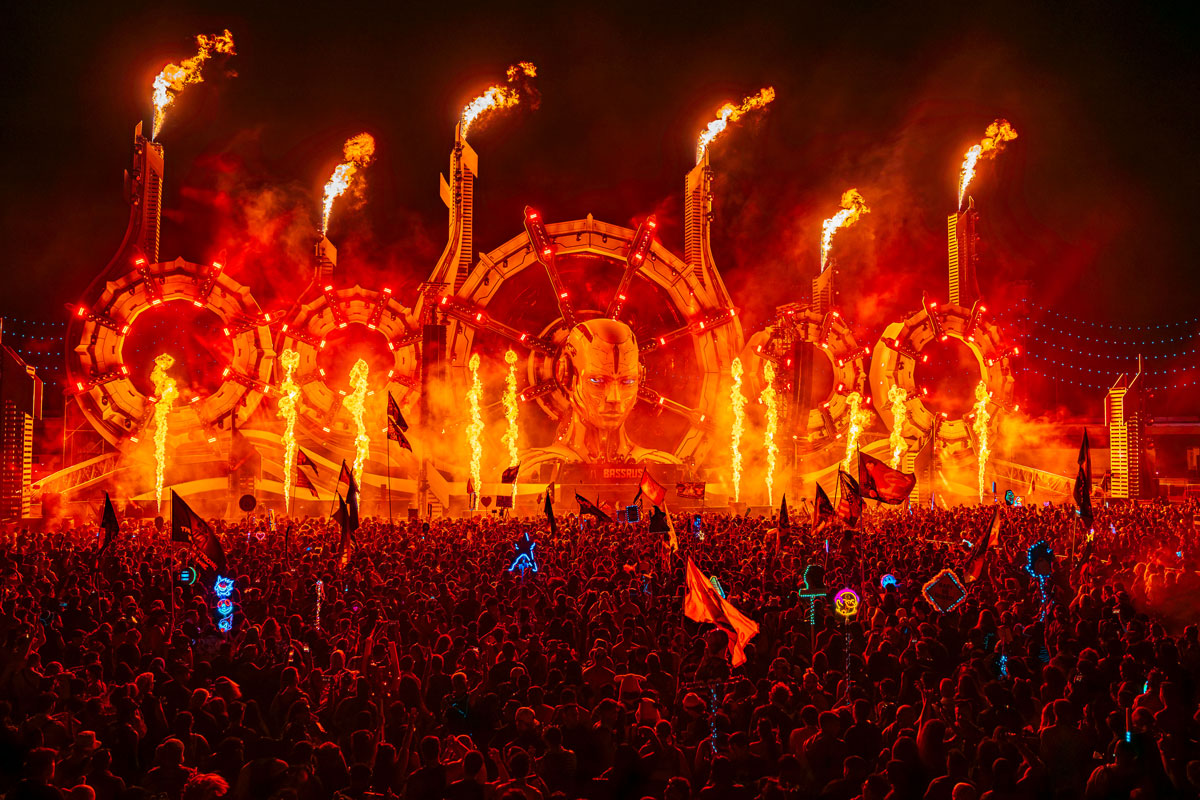
The thing that surprises most first-time attendees at EDC is not the production. It is the crowd.
Despite the scale, despite the lines, despite the heat and the late hours, the interpersonal energy at EDC is overwhelmingly positive. People look out for each other. Body positivity is the norm. The predatory behavior that has plagued other large-scale events is conspicuously absent. When I have talked to long-tenured Insomniac technicians and operators about it, this is the thing they bring up first and the thing they are most proud of. It is not a happy accident. It is the result of 30 years of curation.
Insomniac curates the lineup, obviously. But more importantly, they curate the experience around the music. The Ground Control culture (approachable, helpful, non-judgmental, trained in mass-gathering medical response). The visual language of the brand. The codes of conduct that get reinforced through staffing, signage, and on-the-ground intervention. Pasquale Rotella has talked publicly for years about treating attendees (“headliners,” in their language) as the priority constituency, and the operational decisions reflect that consistently. Over three decades, that curation has filtered the audience. People who buy tickets to EDC are buying into the culture, not just the music. The result, at scale, is a crowd that behaves like a community.
The parallel to corporate events is direct. The audience that shows up is shaped by every decision made before the event. The speakers booked. The topics platformed. The language in the marketing. The design choices in the environment. The partners brought in. The standards enforced on the floor. The behavior tolerated when something goes sideways. If the wrong audience shows up to a corporate event, the problem is upstream, not at the registration desk.
The corporate equivalent of EDC’s curation discipline is asking, in pre-production, exactly who should be in this room and what every decision communicates to that person about whether they belong here. It is the most undervalued lever in corporate event production. Get the room right and the rest gets easier. Get the room wrong and no amount of stagecraft will fix it.
5. Event Spend Is Brand Spend. The Next 5 Years Will Punish Brands That Forget This.
This is the pillar most corporate marketing teams need to hear and the one most likely to get pushed back on internally. So I am going to say it directly.
Cutting event production budgets in 2026 to save line items is going to cost brands market position over the next five years. The audience EDC is producing for is the same audience your corporate event is producing for, just sober and in business attire. Anyone under 40 attending your event is comparing the experience to every other live experience they consume, and that comparison set has been getting more sophisticated every year. The Savannah Bananas rebuilt minor league baseball into a sold-out national tour by understanding this. Taylor Swift’s Eras Tour rewired the live music economy by understanding this. Insomniac built a half-million-attendee festival into a global brand by understanding this. Corporate event production is the last category still operating like it is 2014.
Look at the EDC numbers again. The Las Vegas flagship is $45 million to $50 million. But the regional EDC editions in New York and Orlando run $5 million to $7 million. That regional number is in the same range as the annual flagship event budget for a Fortune 500 company. Same money, dramatically different output. The difference is not the venue. It is what gets built with the dollars, and what gets protected when procurement comes for the line items.
The pattern playing out across the industry right now is procurement-driven. Marketing teams own the event strategy. Procurement teams own the vendor selection. The two get disconnected, and the result is RFPs structured to optimize for cost per attendee, AV scope stripped down to the minimum viable production, lowest-bid vendors selected on price, and high-risk decisions made on safety, content, and immersive design because those line items are the easiest to cut. The CFO sees savings. The attendees see a brand that does not understand the moment.
Here is what is actually happening to brand perception in that scenario. Senior executives are looking at the stage and thinking the company does not invest in itself. Mid-career attendees are scrolling on their phones because the production does not earn their attention. Junior attendees, the scroll generation, are pulling out their phones to film, looking at what they captured, and deciding it is not worth posting. That last point is the one corporate marketing teams keep missing. The content your attendees create at your event is now a primary distribution channel for your brand. If the production does not give them something worth filming, you are paying for an event that generates no organic reach. That is a brand perception problem and a marketing ROI problem at the same time.
The strategic move over the next five years is to stop treating event production as a cost center separate from marketing spend, and start treating it as one of the highest-leverage parts of the marketing mix. The reasoning is straightforward. Paid digital advertising costs are climbing while attention is fragmenting. Organic social reach is increasingly determined by content that performs, not by audience size. Live events are one of the few remaining channels where a brand can generate that content at scale, in a controlled environment, with an audience that is already opted in. Underspending on the production is underspending on every downstream marketing channel that depends on the content the event generates.
Corporate marketing teams that recognize this in the next 12 to 24 months will pull ahead. The ones that treat event production as a procurement category to be minimized will spend the second half of the decade explaining to their boards why their flagship events are no longer driving brand momentum.
The discipline is to protect the production scope through procurement, brief the CFO on event spend as brand spend with measurable downstream impact, and build the content capture plan into the production from day one of pre-production. Not a videographer added on event day. A content strategy integrated into the design of every sightline, every activation, and every moment the room is built around.
That is the gap between corporate event production today and where it needs to be. EDC 2026 is one of the clearest case studies for why.
What This Means for Your Next Event
I have been producing corporate events for over 20 years and running Decibel for 17. The five disciplines above are not new to me. They are how we approach every event. What EDC 2026 underlined, again, is that the gap between the best-run events in the world and most corporate events is not budget. It is operational discipline applied consistently across pre-production, the show itself, and the wrap-up, plus a marketing leadership team that protects the production scope instead of cutting it first.
Operational consistency across years instead of novelty for the sake of novelty. Immersion treated as a baseline expectation, not a budget upgrade. Safety, medical, and weather planning built into the show flow during pre-production. Curation owned by the producer from the moment the brief lands. And a budget conversation that recognizes event spend as brand spend with measurable downstream impact.
Corporate teams that adopt these disciplines stop running events and start building event programs. That is the upgrade.
Work With a Production Team That Brings These Disciplines to Every Brief
Decibel Events produces and manages corporate events from concept to conclusion. If you are planning a corporate event in 2026 or 2027 and want a production partner operating to the standards above, contact us to start the conversation.


