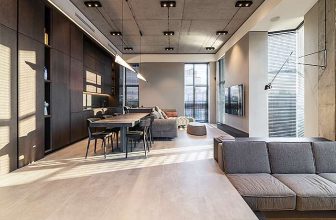


Rethinking Residential Lighting for the Way We Live Now
For a long time, lighting in residential design was treated like one of the last things to figure out. Pick the decorative fixtures. Make sure there is enough recessed lighting. Add a few lamps. Check the box and move on. That may have worked well enough when homes were being designed more for appearance, resale, or status. But that is not the whole conversation anymore, and I do not think lighting can stay in that old role. Designers are rethinking residential lighting and how we use it in today’s home.
Today’s home is being asked to do something different. Yes, people still want beauty and want their homes to reflect success, taste, and a certain level of aspiration. Today, homes are being asked to do more than ever before. Our homes are still a place of beauty and an expression of personal taste and success. But more and more, home is also expected to be a sanctuary. A place that supports how we live, how we feel, how we gather, how we rest, and how we move through the story of our life.
Rethinking Residential Lighting: Changing the lighting conversation.
To me, this is where a lot of the older language around luxury starts to fall apart. Luxury is not disappearing, but it is shifting. That shift matters. Once we begin to think about home not just as a showplace, but as a place of refuge, well-being, safety, and connection, lighting becomes so much more than illumination. It affects mood, comfort, and how we experience color, texture, architecture, and space. Lighting affects how a home transitions from morning to evening, and how it feels long after the sun goes down.
For a long time, residential lighting was treated as either practical or pretty. Sometimes, if you were lucky, it managed to be both. Lighting helped you see, made a statement, and finished the room. In many homes, especially at the luxury end of the market, it also became part of the visual shorthand for status. Bigger fixtures, more sparkle, and often too many recessed lights. More is not always better.
Architecture Has A Voice in Residential Lighting
In some markets, luxury is still closely tied to architecture, legacy, and a real sense of place. Those homes may have history. They may have beautiful bones and sit in neighborhoods where the architecture matters, and the house is part of a larger visual story. In those homes, lighting needs to respect that.
In other markets, especially newer luxury markets, the conversation is different. The house may be newer. The setting may be more about views, privacy, amenities, or lifestyle. The architecture may be cleaner and more open to technology. But even there, what people are looking for is not just a house that performs, but a house that feels good to live in.
How Do We Actually Create That Feeling?
A home does not feel calm, restorative, or beautifully layered just because someone selected a pretty fixture. It happens when the lighting is doing several jobs at once and doing them well. It has to support function, mood, and safety. At the same time, lighting has to flatter the materials and architecture.
Layered Light
Good residential lighting is layered. It starts with ambient lighting, the general lighting that gives a room its overall illumination. Then there is task lighting, which is critical in places like kitchens, baths, dressing areas, workspaces, and reading corners where people need to see clearly and comfortably. Accent lighting adds depth and focus, whether highlighting artwork, architectural details, millwork, or a beautiful texture in the room. Decorative lighting adds personality and presence, but it should do more than just look pretty. It should contribute to the way the room feels.
Color Temperature
When those layers work together, a house begins to feel considered. It begins to feel like someone understood not only how it should look, but how it should live. Using the right color temperature and color rating for lamps is step one. Color-tunable light that can transition from white light to a warmer color, enhancing all aspects of a home designed for human wellness.
Lighting Controls
This is also where lighting controls matter. A room should not have only one setting. Morning, evening, entertaining, reading, cooking, winding down, all of those moments ask something different from the same space. Being able to shift intensity, reduce glare, and create a more appropriate mood is not a luxury option, but rather a necessity.
Rethinking Residential Lighting and Wellness
Wellness matters right now because people are not only asking for beauty. Clients are asking for a wellness-centered design that supports rooms that know how to wake up in the morning and how to quiet down at night. They want spaces that can hold energy when needed and release it when it is time to rest. That is a very different goal than simply making sure everything is bright enough. Lighting has a thoughtful and emotional part to play inside and out.
Lighting Does Not Stop at the Back Door
Some of the most important shifts in residential design are happening outside. Outdoor living has become part of the home in a much more meaningful way, no longer just a patio and a grill. Outdoor living is where people gather, connect, entertain, and decompress, and is part of the emotional footprint of the home.
Rethinking Residential Lighting and Darkness.
Exterior lighting should not be left to chance, and it should not be treated as separate from the interior experience of the home. Path lighting, step lighting, wall grazing, uplighting, downlighting, and carefully placed accent lighting all have different roles to play. Safety matters, of course. Wayfinding matters. Visibility matters. But so do atmosphere, ambiance, and the feeling of being part of exterior space without being overwhelmed by it.
The Future of Lighting
This is where collaboration is valuable. A thoughtful lighting plan helps preserve the architecture, support the landscape, reduce glare, and make any space feel welcoming. And to me, that is where residential lighting needs to go next. Less driven by formulas, habits and the assumption that brighter, newer, or more automated is always better. More driven by the human experience.
After all, lighting makes a home feel like the place you want to be.

Sharon L. Sherman, ASID, NCIDQ, CID, CKD
Sharon founded Thyme and Place Design, headquartered in Wyckoff, New Jersey, and has been practicing kitchen, bath, and interior design for over 20 years across New Jersey, New York, Connecticut, Massachusetts, and the Eastern Seaboard. She is the Past President of the American Society of Interior Designers, New Jersey chapter, a professional member of ASID, as well as a Certified Interior Designer in New Jersey, and a Certified Kitchen Designer, and serves on the Board of Directors of the Interior Design Community.
She is a current member of the editorial board of KBB Magazine, the official magazine of the National Kitchen and Bath Association. Sharon was named KBB Person of the Year 2025 and received the Kitchen Bath Design News 2022 Innovator of the Year Award. Her award-winning designs and editorial comments have been featured in Forbes, The New York Times, Design Milk, Furniture Lighting and Decor, Designers Today, Kitchen & Bath Design News, Country Decorating, Design NJ, New Jersey Home Magazine, 201 Magazine, as well as several books. She has authored the Interior Designers’ Guide to Kitchen and Bath Business Success, available through the website. Sharon is a sought-after conference speaker and CEU provider. You can contact her through the website www.thymeandplacedesign.com.