
Your brisket looks beautiful, the bark is dark, and then you take a bite, and it’s harsh, ashy, bitter. That’s one of the most frustrating things in backyard BBQ.
The good news is that bitter smoke flavor is usually fixable. It almost always comes from a few common fire and airflow mistakes, not bad luck. Clean smoke tastes light, savory, and woodsy. Bitter smoke tastes acrid, dusty, or like the food sat in a chimney.
Once you know what caused it, you can stop the flavor from getting worse and keep it from showing up next cook. In this article, we’ll dive into everything you need to know to fix bitter smoke flavor on BBQ.
What Bitter Smoke Flavor Usually Means
Bitter BBQ usually points to one problem: the fire isn’t burning clean. That can happen because the wood is smoldering, the vents are too closed, or the cooker is dirty enough to add soot and old grease to the mix.
Before you start changing rubs or sauces, look at the smoke and the fire. Bitter flavor is rarely a mystery. It’s a signal.
Difference Between “Clean Smoke” and “Dirty Smoke”
Clean smoke is the goal. On a good fire, smoke is thin, pale, and sometimes hard to see at all. People call it “thin blue smoke,” but in daylight it often looks more like a faint haze than a blue cloud.
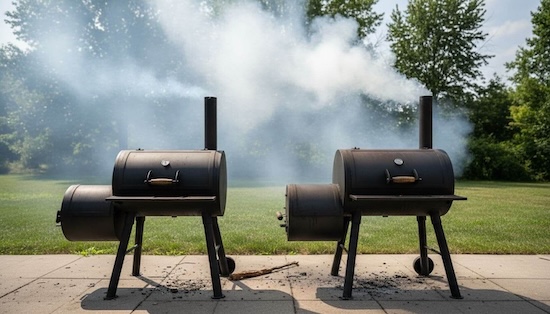
Dirty smoke is the opposite. It’s thick, white, gray, or yellow, and it hangs in the air. That heavy smoke sticks to meat fast and leaves behind bitterness. If your smoker looks like a freight train, your food probably won’t taste better for it.
A clean-burning fire beats a giant smoke cloud every time. You need to properly control the smoke in your smoker and remember: burn clean first, then cook.
Most Common Reasons BBQ Tastes Bitter
The usual suspects are pretty simple. The biggest one is not enough airflow. When you choke the vents to hold a low temp, the fire smolders instead of burning clean.
Too much wood is another big cause. More smoke doesn’t mean more flavor. It often means a muddy, bitter finish, especially on long cooks.
Wet or green wood causes trouble, too. So does grease buildup, soot on the lid, and ash piled up high enough to mess with airflow. On charcoal cookers, old ash can block the fire from breathing. On pellet smokers, a dirty fire pot can do the same thing.
One more thing to watch: a sugary BBQ rub over direct heat can burn and add bitterness. That’s real, but smoke problems are still the main cause most of the time.

How to Fix Bitter Smoke Flavor While Still Cooking
If the food is already on, don’t panic. You’re not trying to rewind the cook. You’re trying to stop the bitterness from building.
That means cleaning up the fire, reducing harsh smoke, and keeping the cooker from feeding soot back onto the meat.
Get the Fire Burning Clean Again
Start with airflow. Open the intake a bit. Open the exhaust all the way if you’ve been running it partially shut. Fires need oxygen. Starved fires make ugly smoke.
If you’re cooking on an offset or charcoal smoker, let the wood catch fully before the meat sits in that smoke stream. A fresh split or chunk often throws dirty smoke for a few minutes. Wait it out. If you can, preheat splits on the firebox so they ignite faster and cleaner.
Adding smaller amounts of fuel helps too. A little at a time is easier to manage than dumping in a pile of wood and hoping for the best. On pellet smokers, check for poor combustion signs like lazy smoke, a dirty fire pot, or pellets that got damp.
If the smoke is billowing, the fix isn’t less fire. It’s usually a cleaner fire.
Get the Amount of Wood and Type of Wood Right
This is where a lot of backyard cooks get tripped up. They want a stronger smoke flavor, so they add more wood. Then the meat tastes like a campfire ashtray. Use less wood than you think you need.
Making sure you are using the right type of wood for your meat is also critical. Mild woods are easier to control, especially if you’re learning. Apple, cherry, and pecan are forgiving. Oak is steady and versatile. Mesquite can be great, but on a long cook, it can turn sharp in a hurry if you overdo it.
Dry, seasoned hardwood matters more than people think. Damp wood hisses, steams, and smolders. That’s a recipe for bitter smoke. Think of smoke like salt: a little makes food better, while too much ruins the whole plate.

The Importance of Keeping the Cooker Clean
You don’t need a full deep clean mid-cook, but you do need to deal with the obvious mess. If grease is burning in the cooker, that nasty flavor can land right on the meat.
Check the grease tray, drip pan area, and any spots where old fat may be sizzling. Knock out excess ash if it’s choking the fire. If you see flakes of black carbon hanging inside the lid or chamber, keep an eye on them. You don’t want them dropping onto the food.
This matters on every setup. Offsets collect soot. Kamados can get funky buildup. Pellet grills can hide ash and grease until the flavor turns on you. Clean enough is the goal, not polished steel.
How to Prevent Bitter Smoke on Your Next BBQ Cook
Once you’ve had one bitter cook, you start noticing the warning signs earlier. That’s how the skill builds. Good BBQ isn’t about luck. It’s about repeating a few clean habits:
Start with a Hotter, Cleaner Fire
When cooking on charcoal, get your charcoal fully lit before adding wood. Bring the smoker to a stable cooking temperature before the meat goes on. That early stage sets the tone for the whole cook.
A lot of bitter smoke comes from chasing low temps by starving the fire. That’s backwards. A weak, smoldering fire at 225 isn’t better than a clean, steady fire at the same temperature. If you’re cooking a long brisket, fire management comes down to the same thing: thin smoke, steady heat, no dirty clouds.
Let the cooker settle. Then cook.
Match Your Smoker Setup to the Meat You Are Cooking
Not every cut can handle the same smoke load. Chicken, fish, and ribs pick up harsh smoke fast. Brisket and pork shoulder can take more, but even those big cuts can get over-smoked if the fire stays dirty for hours.
This is where a lighter hand wins. If you’re cooking delicate food, use milder wood and shorter smoke exposure. For heavier cuts, you still want clean smoke, just over a longer window.
Beginners often think strong wood equals strong BBQ flavor. Usually, balanced smoke tastes better and lets the meat still taste like meat.
Perfect Your Smoke and Eliminate Bitter Flavors
If you want to fix bitter smoke flavor on BBQ, focus on the fire first. Clean combustion, open airflow, dry wood, and a cooker that’s not full of ash and grease solve most of the problem.
One bad cook doesn’t mean you’re bad at BBQ. It means your smoker gave you feedback. Make a few small changes, watch the smoke, and trust your eyes as much as your thermometer. Clean smoke smells better, looks better, and your food will prove it.
Ready to take your backyard skills to a professional level and ensure every cook is a masterpiece? If you want to master fire management and perfect your flavor profiles under the guidance of the world’s best, join us at BBQ Champs Academy. Our in-depth online BBQ classes are taught by champion pitmasters and grillmasters who share the exact techniques they use to dominate the competition circuit. Stop guessing and start cooking with confidence. Grab your All Access pass today and get the secrets to world-class BBQ delivered straight to your screen.