


Whether you’re excited by the idea of robot chums or terrified that they’ll turn on humanity and take over the world, humanoid robots designed to do chores around the home are on the way. Here we answer some of the most commonly asked questions.
What is a humanoid robot?
It’s a robot that looks human: two eyes, two legs, one head, and so on. So Ann Droid’s Linda in the popular BBC sitcom is a humanoid robot.
Similarly, C-3PO is one, whereas R2-D2 isn’t. Being a robot, it should be able to carry out tasks autonomously. In the home, that would mean things like sorting the laundry, cleaning the house, and so on.
Are humanoid robots for real?
They are. Some are available for preorder in the UK now. Lots of organisations around the world are working on them – Boston Dynamics being one of the leaders. We should see basic models in the house soon, certainly within the next 12 months or so. As the software data from field trials and early adopters builds up, manufacturers should be able to develop their capabilities pretty rapidly.
What was the first humanoid robot?
There are a few contenders – our favourite is Elektro, made by the Westinghouse Company for the 1939 World’s Fair in New York. In 1940, he was joined by a robot dog, Sparko. But although Elektro could blow up balloons, speak some words and even smoke cigarettes, he wouldn’t be up to much in the house. He was more animatronic than robot. So, in terms of ‘real’ humanoid robots, that’s probably WABOT-1, built at Waseda University in Japan in 1973.
How much would a humanoid robot cost?
You’re probably looking at at least £20,000 for one, rising to much, much more for more advanced versions. For example, the Unitree H2 is priced at around £30,000 for the basic version.
Will robots take over the world?
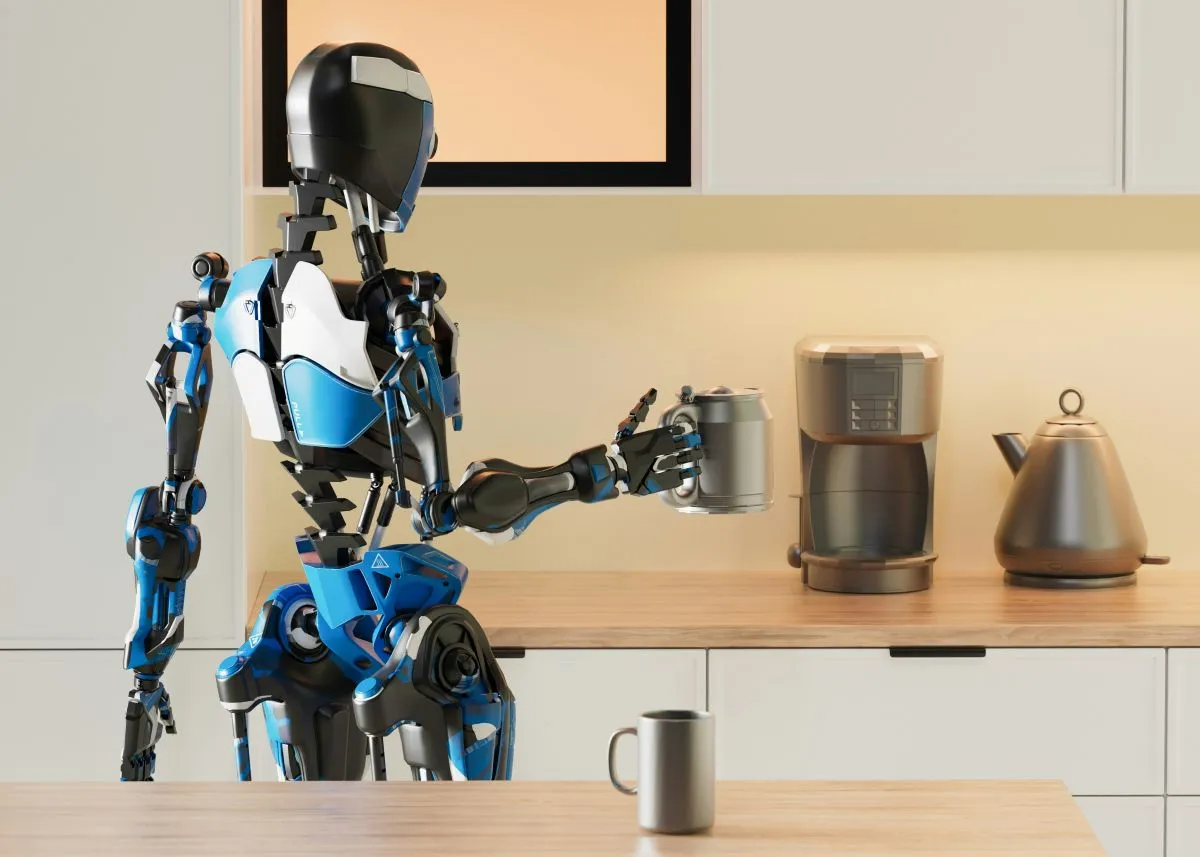
Let’s hope not. Sci-fi luminary Isaac Asimov created the three laws of robotics as a safety feature to prevent just such a thing – hopefully the boffins working on modern humanoid robots will adopt them. Since you ask, Asimov’s laws are:
- A robot may not injure a human being or, through inaction, allow a human being to come to harm.
- A robot must obey the orders given to it by human beings except where such orders would conflict with the First Law.
- A robot must protect its own existence as long as such protection does not conflict with the First or Second Law.
In fact, Asimov added a fourth, which underlines the ‘robots taking over the world’ fear:
- A robot may not harm humanity, or, by inaction, allow humanity to come to harm.
To be fair, given that using a vacuum cleaner is a pretty advanced task for current humanoid robots, there’s a fair way to go before they start acting like Daleks (who, to be clear, are actually neither robot nor humanoid, but are a great go-to option for taking over the world).
Are humanoid robots dangerous?
They will certainly have plenty of safety features built-in, so they shouldn’t be dangerous in the way that, say, a pet crocodile would be.
But as with any household appliance, accidents may happen. For example, your robot could fall down the stairs and squash the cat. That’s assuming scientists manage to sort out the issue of robots climbing stairs – they’re not good at it as yet, due to the tricky combination of stability, balance and the need to navigate each step.
Do humanoid robots have feelings?
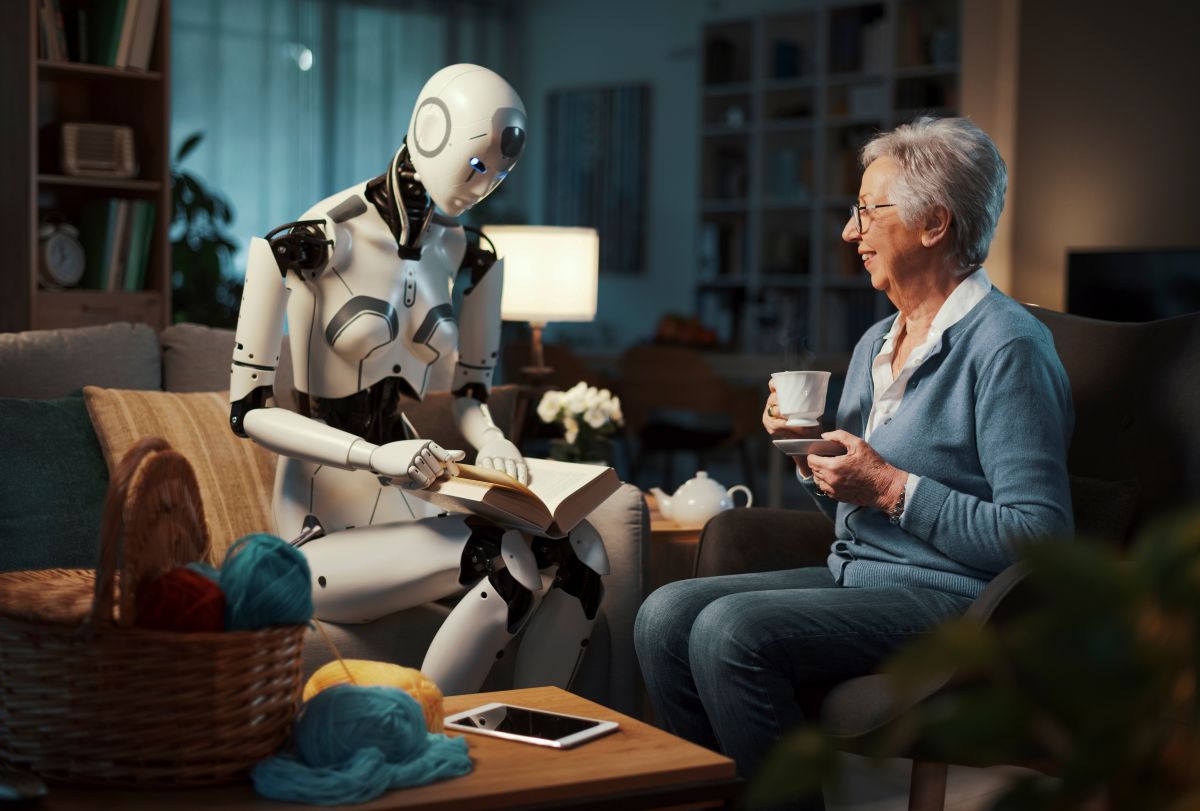
Like in Disney’s 2008 WALL-E, when the robot falls in love with a droid? Sadly, no, real ones don’t have feelings. However, AI can recognise human emotions and feelings and respond appropriately, but it’s all based on data rather than actual empathy. Mind you, in the future, who knows?
Can you build your own humanoid robot?
Unlikely, unless you are either the CEO of a multi-billion dollar tech empire or the owner of a dog named Gromit. You might find some of the required components at your local DIY shop, but not all.
Having said that, there are loads of robotic kits on the market – it’s just none of them are capable of doing your laundry and tidying up the bedroom. Or even the sock drawer. RobotShop is one of the online outlets that has lots of ideas.
When can I buy one?
You should be able to pre-order some pretty soon – such as the Neo from 1X. However, you’ll need a pretty hefty wallet and the exact timing in terms of availability in the UK is undecided.